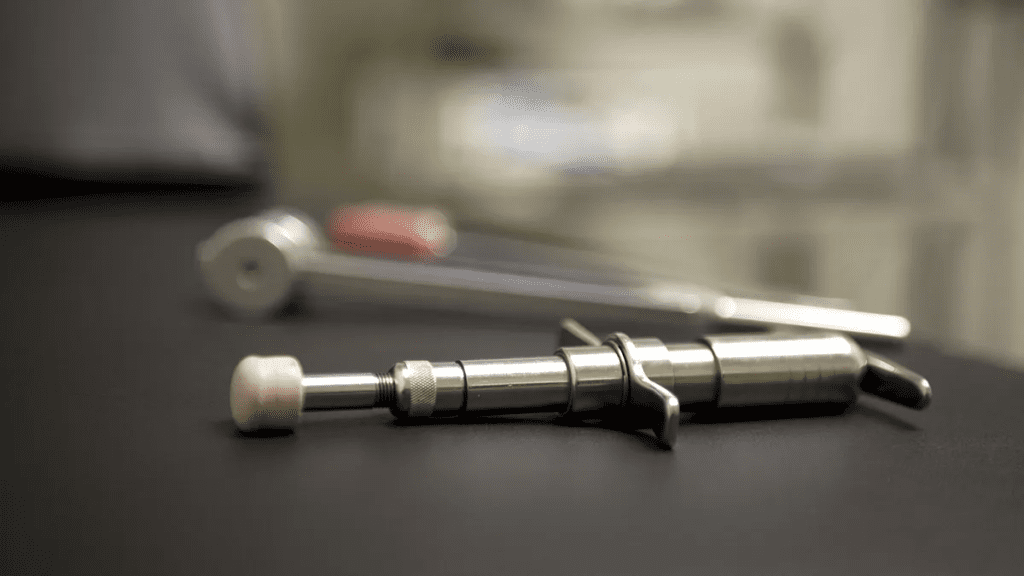

Osteoarthritis with chiropractor near me

How Chiropractic Care Offers a Drug-Free Approach to Osteoarthritis Pain

You may ask if chiropractic care can help with osteoarthritis pain without using medicine. Many people now look for ways that do not use drugs. This is because common medicines for osteoarthritis can cause side effects like:

  • confusion
  • stomach pain or bleeding
  • problems with liver, kidney, or bone marrow
  • higher chance of heart problems with NSAIDs
  • addiction or withdrawal with opiates
  • more broken bones in older adults

Chiropractic care works to help joints move better and reduce pain in a natural way. With chiropractic osteoarthritis care, you can find relief without needing medicine.

Key Takeaways

  • Chiropractic care is a natural way to help with osteoarthritis pain. It does not use drugs, so there are fewer risks from medicine side effects. Regular chiropractic adjustments help your joints move better. They also make you feel less stiff. This helps you move more easily and with less pain. Chiropractic techniques like soft tissue therapy and joint mobilisation can lower swelling. They also help your body heal in the sore areas. This method not only eases pain but also makes your life better. You can do daily things with less trouble. Seeing a chiropractor can give you a treatment plan just for you. This plan will help you manage osteoarthritis in the best way for you.

Chiropractic Osteoarthritis Relief

Chiropractic Osteoarthritis Relief
Image Source: unsplash

Drug-Free Pain Management

You might want help for osteoarthritis without using medicine. Chiropractic osteoarthritis care gives a gentle, drug-free way to ease pain. This care looks at your joints and muscles. It helps your body heal on its own. You do not have to worry about side effects from drugs. You can get pain relief without taking medicine.

Chiropractic osteoarthritis care uses different ways to help you feel better:

  • Lower swelling in your joints
  • Help your joints move more easily
  • Take pressure off nerves and tissues
  • Help your body heal itself

Many studies show chiropractic osteoarthritis care helps with pain. For example:

  • A big review found chiropractic care, like spinal manipulative therapy, works as well as normal physical therapy for some joint problems, including osteoarthritis.
  • Guidelines say to use different therapies as part of full chiropractic care for long-term pain.
  • Research in the Journal of Bodywork and Movement Therapies says myofascial release can lower pain and help people move better if they have joint problems.

Chiropractic osteoarthritis care does more than just help pain. It can also lower swelling and help joints work better. Techniques like joint mobilisation and chiropractic adjustments focus on joint pain and swelling. Regular chiropractic osteoarthritis care is safe and helps people with osteoarthritis and other types of arthritis.

You might hear some wrong ideas about chiropractic osteoarthritis care. Some people think joint popping causes arthritis, but research shows this is not true. The sound you hear during an adjustment is safe and does not mean harm. Not everyone feels better from joint popping, and it feels different for each person.

Why Choose Chiropractic Care

You may wonder why chiropractic osteoarthritis care is a good choice. This care gives lasting relief and helps you avoid medicine risks. Chiropractic osteoarthritis care works by fixing alignment and helping joints move better. You get long-lasting relief because it treats the cause of pain, not just the signs.

Chiropractic osteoarthritis care has many benefits over drug treatments. Chiropractic care gives a long-term answer for osteoarthritis pain. It lowers swelling and helps joints move better. Drug treatments often only help for a short time and can cause side effects. Chiropractic osteoarthritis care helps you handle long-term pain and supports your health.

Here is how different chiropractic osteoarthritis treatments work:

Treatment Type Mechanism of Action Benefits
Chiropractic Adjustments Realign sore areas, lower nerve pressure, help natural healing Less pain, better joint movement
Shockwave Therapy Uses sound waves to boost blood flow, help tissue repair, lower swelling Less long-term pain and stiff joints
Class IV Laser Therapy Sends light deep into tissues to speed healing and lower swelling Less arthritis pain, better recovery

Chiropractic osteoarthritis care also saves money. It often costs less than normal medical care for pain. You can spend less on health care because you need fewer drugs. Chronic Disease Management (CDM) plan from Medicare and many insurance plans pay for chiropractic osteoarthritis care.

You can pick chiropractic osteoarthritis care for long-lasting relief and better joint health. This drug-free way helps you stay active and enjoy life with less pain.

Understanding Osteoarthritis

Understanding Osteoarthritis
Image Source: unsplash

What is Osteoarthritis?

Doctors say osteoarthritis is the most common arthritis. It happens when cartilage in joints wears away over time. Cartilage is a soft cushion between bones. When it gets thin, bones rub together. This makes pain and swelling. Osteoarthritis can happen in any joint. It often affects knees, hips, hands, and spine.

Osteoarthritis is a problem for many people worldwide. You can see how many people have it in this table:

Description Value
Global prevalence of KOA (2019) 364.6 million
Age-standardised prevalence 4,376.0 per 100,000
Increase from 1990 to 2019 7.5%
Total individuals affected globally Over 650 million
Percentage of osteoarthritis burden from KOA Nearly 80%

You might wonder why some people get osteoarthritis. Some main risks are:

  • Obesity
  • Ageing
  • Trauma
  • Metabolic disorders
  • Sleep patterns

If you have any of these risks, you may get osteoarthritis more easily.

Common Symptoms

People with osteoarthritis can have different symptoms. These symptoms are not the same for everyone. Some people feel pain in their joints. Others notice stiffness or swelling. You might find it hard to move your joint or do daily things.

Here are some symptoms you might have:

  • Joint pain that does not go away, even after surgery like knee replacement
  • Stiffness, especially in the morning or after you rest
  • Swelling around the joint
  • Weaker grip and trouble using your hands
  • Pain that gets worse when you move

Tip: If you see these symptoms, talk to a healthcare professional. Getting help early can make it easier to manage your symptoms and keep your joints healthy.

How Chiropractic Care Works

Spinal and Joint Adjustments

If you have osteoarthritis, your joints might feel stiff or sore. Spinal and joint adjustments can help you feel better. These adjustments use gentle moves to line up your joints. When your joints move well, you have less pain and stiffness. This helps your body work the right way.

Researchers have checked how these adjustments help people with osteoarthritis. The table below shows a study about a special traction-bed device for the lower back:

Study Type Participants Treatment Method Findings
Randomised Controlled Trial 35 patients Traction-bed-device (Movento) Analysed effects on osteoarthritis/spondylosis of the lumbar spine

These results show that special adjustments can help your joints and make moving easier.

Soft Tissue Therapy

Soft tissue therapy works on the muscles and tissues near your joints. This therapy can help by making tight muscles relax and letting your joints move better. You may feel less pain and more comfort in your daily life.

Some common types of soft tissue therapy are:

  • Manual therapy: Hands-on ways to lower pain and help joints move.
  • Cupping therapy: Brings more blood to the area, eases tight muscles, lowers swelling, and helps healing.

You might also get help from:

  1. Joint mobilisation: Uses gentle pushes to help joints work better and feel less stiff.
  2. Soft tissue mobilisation: Loosens tight muscles near sore joints, helps blood flow, and supports healing.

Manual therapy, like joint and soft tissue mobilisation, is important for osteoarthritis care. These methods loosen stiff joints and help you move better, so you feel less pain and stiffness.

Improving Circulation and Mobility

Chiropractic care tries to fix how your bones and muscles line up and work. When your joints and muscles work together, you can move more easily. Chiropractic methods, like manual therapy and soft tissue mobilisation, help blood and lymph fluid move better. This can lower swelling, especially for people with knee osteoarthritis. You may also do special exercises and stretches as part of your care. These activities help you move your joints better and keep steady, which is important for handling osteoarthritis symptoms.

Note: Going to the chiropractor often can help you stay active and enjoy life with less pain.

Benefits of Chiropractic Care

Increased Range of Motion

Osteoarthritis can make moving your joints hard. Chiropractic care helps you move better and feel less stiff. When you get treatment, your joints can move more easily. Upper cervical chiropractic care helps your joints work well. Good spinal alignment helps your nervous system. This can let you move your joints more. You may find walking or reaching for things easier.

  • Chiropractic treatment helps joints move and work better.
  • Spinal alignment helps your nervous system, so you move more.
  • Less swelling means you move with less pain.
  • You can do daily tasks more easily.

You may feel braver and more able when you move without pain.

Reduced Stiffness and Swelling

Stiffness and swelling can make osteoarthritis worse. Chiropractic techniques like joint mobilisation help lower these problems. When your chiropractor adjusts your joints, you may feel less stiff. These adjustments fix joint problems and lower swelling. Spinal manipulation also helps lower swelling near sore joints. As your joints line up better, your body has less swelling. This means less pain and better movement.

  • Chiropractic care helps joint pain and lowers swelling.
  • Joint mobilisation helps you move and feel less stiff.
  • Adjustments fix joint problems and lower swelling.
  • Spinal manipulation lowers swelling near joints.

Going often can help you feel better and have less swelling.

Enhanced Quality of Life

Living with pain can make you feel sad and tired. Regular chiropractic care keeps your joints healthy and stops damage. You may notice you move better and feel less stiff. This help is important as you get older and have osteoarthritis. When you hurt less and move more, you can do fun things and see family. Less pain and swelling can make you feel happier and have more energy.

Chiropractic care lets you live with less pain and more freedom.

What to Expect from Chiropractic Osteoarthritis Treatment

Initial Assessment

When you see a chiropractor for osteoarthritis, they start by checking you carefully. The chiropractor asks about your pain and past injuries. They want to know how your pain changes your life. You talk about your daily habits. The chiropractor looks at your posture and how your joints move. Sometimes, you might need an X-ray to see your bones better. After these checks, the chiropractor tells you what they found. You talk together about a plan for your care.

Assessment Type Description
Medical History Review Talks about your symptoms, old injuries, and things you do every day.
Physical Examination Checks posture, how you move, and nerves to find problems.
Diagnostic Tests (e.g., X-rays) Shows your bones and helps find issues.
Report of Findings Tells you the results and talks about your care plan.
Chiropractic Adjustment May use gentle moves to help your joints, based on what the checks show.

Tip: Write down your symptoms and questions before you go. This helps you get the most from your first visit.

Treatment Techniques

You get care that fits your needs. The chiropractor uses gentle moves to help your joints work better. Soft tissue work can relax tight muscles and lower swelling. Sometimes, you might try traction, which gently stretches your joints. Simple exercises help you move safely. You also learn about healthy habits, like eating well and staying active, to protect your joints.

Treatment Technique Description
Chiropractic Adjustments Gentle moves help line up joints and lower stress on sore spots.
Joint & Soft Tissue Manipulation Lowers swelling and helps joints move without strong force.
Spinal or Joint Traction Gently stretches joints to ease pressure and help you move.
Exercise Therapy Guided moves keep joints working and help you stay safe.
Lifestyle Coaching Gives tips on food and habits to lower swelling and help your joints.

Note: Your treatment plan may change as you get better. The chiropractor checks how you are doing at each visit.

Safety and Effectiveness

Chiropractic care is a safe way to help with osteoarthritis. Many people feel less pain and move better after starting this care. You may notice you need less medicine for pain. Studies show people who use this care often move more and do more each day. You may sleep better and feel happier, which can mean you need fewer pain relief drugs.

Benefit Description
Reduced pain intensity You may feel less pain from osteoarthritis.
Increased range of motion You can move more easily, so you may need less medicine.
Improved function in daily activities You may do more without using pain relief.
Better sleep and quality of life You may rest better and feel happier.

If you worry about safety, ask your chiropractor. They want you to feel safe and know what is happening during your treatment.

You can pick chiropractic care for osteoarthritis if you do not want to use medicine. This care helps with long-term pain and lets you move better. New studies show that chiropractic adjustments help your joints move well. Soft tissue techniques help your muscles feel less tight. You also fix the way you move, so your joints work better. Chiropractic care does not use surgery or medicine. It is important to talk to a trained chiropractor to find the best care for you. You might want to add chiropractic care to your pain plan.

  • Chiropractic care helps joints move better.
  • Soft tissue techniques make muscles less tight.
  • You move better and do not need drugs or surgery.

FAQ

Can chiropractic care help you manage arthritis without medication?

Yes, chiropractic care gives a way to manage arthritis without drugs. It helps your joints move better and lowers pain. This care helps your body heal itself. You do not get side effects from medicine.

How often should you have regular chiropractic checkups for osteoarthritis?

You should see your chiropractor often. Regular visits help you see how you are doing. Your chiropractor changes your treatment plan if needed. They will tell you how often to come in. This helps you handle pain over time.

What makes chiropractic care a patient-centred approach?

Chiropractic care looks at what you need. Your chiropractor listens to you and makes a plan just for you. This way helps you reach your health goals. It also helps you manage arthritis better.

Will chiropractic care improve your joint mobility?

Chiropractic adjustments and soft tissue therapy help joints move well. You may feel less stiff and more comfortable. Moving better lets you stay active and enjoy life.

Is chiropractic care safe for long-term chronic pain management?

Chiropractic care is safe for most people. You can use it for long-term pain. Your chiropractor checks how you are doing and changes your plan if needed. Always talk to your chiropractor if you have worries.

How Long Does It Take for a Torn Ligament to Heal Without Surgery

How Long Does It Take for a Torn Ligament to Heal Without Surgery

If you have a torn ligament, you may wonder how long it takes to heal without surgery. Mild ligament sprains often get better after about four weeks of rest and exercises. Partial tears usually need about three months to heal. Many people who get platelet-rich plasma (PRP) treatment go back to sports in three to four months. Complete ligament tears often need help from a doctor. Your age, health, and where the injury is can change how long you need to heal. With the right care, you can help your body heal on its own.

Key Takeaways

  • Mild ligament injuries usually heal in 1 to 3 weeks. You need rest and gentle movement.
  • Partial tears often need 4 to 6 weeks to get better. Non-surgical treatments work well for these injuries.
  • Complete tears can take more time to heal. You may need a doctor to check if surgery is needed.
  • Staying active helps you recover faster. Following a rehabilitation plan also helps a lot.
  • Watch out for warning signs like instability or sharp pain. See a doctor if your symptoms get worse.

Torn Ligament Healing Times

Understanding how long it takes for a torn ligament to heal on its own depends on the type and severity of the injury. Doctors often classify ligament tears into three grades. Each grade has its own healing process and timeline.

Mild and Partial Tears

You might hear doctors call mild ligament injuries Grade 1. These happen when the ligament stretches but does not tear. You may feel pain and swelling, but you can still move the joint. Grade 2 injuries are partial tears. The ligament fibres break, but the ligament does not split completely. You may notice more pain, swelling, and trouble moving.

Here is a table showing how long these injuries usually take to heal:

Grade Healing Duration
1 1-3 weeks
2 4-6 weeks

If you have a mild or partial tear, you can often recover without surgery. Treatments like rest, ice, and gentle movement help. Doctors may use a plaster cast or a brace to keep your joint still. Sometimes, you need to wear a cast for about five to seven weeks. Early movement with a special support can also help your ligament heal.

📝 Tip: Most people with mild or partial ligament tears see good results with non-surgical care. In one study, 80% of people with ACL injuries had stable knees after a year of non-surgical treatment. However, about one-third of people may need surgery later if the ligament does not heal well or if the injury returns.

You may wonder, “how long do ankle ligaments take to heal?” Ankle ligament tears often happen when you twist your foot. Mild ankle injuries can heal in a few weeks, but more serious ones may take longer. Knee ligament injuries can take from one to six weeks for mild to moderate cases. Severe knee injuries may need much more time.

Complete Tears

A Grade 3 ligament tear means the ligament splits all the way through. Your joint may feel loose or unstable. You may not be able to use it at all. Some complete tears can heal on their own, but this takes longer. For example, some people with a torn posterior cruciate ligament (PCL) recover in about three months without surgery. Rarely, an anterior cruciate ligament (ACL) can also heal on its own in about three months, but this is not common.

Study Findings Healing Time
Long-term Follow-up of Patients with Acute Posterior Cruciate Ligament Injury Most people improved over time and did not need surgery About 3 months
A Rare Case of Spontaneous Healing of an Anterior Cruciate Ligament Tear Some ACLs can heal without surgery, but this is rare About 3 months

Non-surgical care for complete tears can work for some people, but there are risks. You may develop arthritis or have pain and stiffness in your joint. The injury can get worse if you do not follow your doctor’s advice. Your knee may feel unstable, and you could damage other parts of your joint, like the cartilage or meniscus.

When Surgery Is Needed

You may need surgery if your torn ligament causes your joint to feel unstable or if you want to return to high-level sports. Doctors use tests like the Lachman test or imaging scans to decide if surgery is best. If you have a big difference in joint movement between your injured and healthy leg, surgery may help. People who play sports or have very active jobs often need surgery to prevent more damage.

⚠️ Note: Surgery can help stabilise your joint and protect it from further injury. People who do not have surgery after a complete ligament tear may face a higher risk of cartilage damage. Surgery can also help you return to your normal activities if your joint feels unstable.

Factors Affecting Ligament Tears Recovery

Age and Health

How old you are and your health matter a lot for healing. Young people heal faster because their bodies fix tissue quickly. If you have health problems like osteoarthritis, healing can take longer. Doctors may change treatment for older adults with health issues. Being active helps you manage pain and move your joints better. The table below shows how health and activity affect recovery:

Evidence Description
Pre-existing health conditions Conditions like osteoarthritis can influence surgical decisions and rehabilitation processes for ACL tears in older adults.
Activity and knee osteoarthritis Being active can help manage knee pain and improve function, which is crucial for recovery from ligament injuries.

🏥 Tip: If you stay fit and care for your health, your body has a better chance to heal a torn ligament.

Injury Location

Where you hurt your ligament changes how you get better. Ankle ligament tears often heal well without surgery. Your posterior cruciate ligament (PCL) in the knee can also heal with rest and exercises. Some ligaments, like the anterior cruciate ligament (ACL), do not heal as easily. You might need more help from your doctor if you tear your ACL. Ligament injuries in your wrist or thumb can heal without surgery, but you must follow your care plan closely.

📍 Note: Some ligaments heal better than others. Your doctor will check where your tear is before choosing treatment.

Activity and Lifestyle

What you do every day and how active you are affects healing. If you keep moving and follow your rehab plan, you can recover better. People who do not go back to sport after ACL reconstruction often feel worse later. Not being active can make knee problems worse and slow healing. Rehab groups often get back to sports, just like those who have surgery. The table below shows how activity and lifestyle choices affect recovery:

Evidence Summary Impact on Recovery
Individuals who do not return to sport after ACL reconstruction report poorer long-term quality of life. Poorer recovery outcomes and quality of life.
Inactive lifestyles can exacerbate the risk of knee osteoarthritis. Increased health risks during recovery.
Rehabilitation groups often regain high levels of sports participation, similar to ACL reconstruction groups. Positive impact of adherence to rehabilitation on recovery.

🏃‍♂️ Tip: You can help your ligament heal by staying active, following your physiotherapy plan, and making healthy choices each day.

Torn Ankle Ligament: Non-Surgical Recovery

Torn Ankle Ligament: Non-Surgical Recovery
Image Source: pexels

Rest and Immobilisation

If you hurt your ankle, resting helps it heal. The RICE method means Rest, Ice, Compression, and Elevation. This method lowers pain and swelling. You should not do things that make your ankle hurt. But you do not always need to keep your ankle still unless your doctor says so. Now, doctors often use the POLICE method. This stands for Protection, Optimal Loading, Ice, Compression, and Elevation. Moving your ankle gently early on helps it get better and stops it from getting stiff. Wearing a brace for a short time can help if your tear is bad. If you keep your ankle still for too long, it can slow healing and make your muscles weak.

  • Rest and ice help stop swelling.
  • Compression and elevation help blood flow.
  • Moving your ankle early helps it heal and get stronger.

Physiotherapy and Rehabilitation

Physiotherapy is important for helping your torn ankle ligament heal. You start with easy exercises to help your ankle move and get stronger. When you get better, your physiotherapist will add balance and stability exercises. These help your ligament heal and stop new injuries. Exercise therapy can lower pain and make your muscles stronger. As you follow your rehab plan, your ankle may work better and hurt less.

🏃‍♀️ Tip: Start exercises slowly and do more as your ankle gets stronger.

Chiropractic Care

Some people try chiropractic care to help their torn ankle ligament heal. Chiropractors use gentle moves and soft tissue work to help your joint move better. These treatments might help with pain and swelling. You can use chiropractic care with physiotherapy and home care. But you should always ask your doctor before starting new treatments.

Home Care Tips

You can help your torn ankle ligament heal at home by doing simple things. Use the RICE method for the first few days. Wear an ankle brace or tape to support your ankle. Start gentle exercises when your pain is less. Do not do things that make your ankle hurt. Keep your ankle up to help with swelling.

Home Care Tip Benefit
RICE Method Helps lower pain and swelling
Exercise Therapy Makes your ankle stronger and steadier
Functional Supports Protects your ligament and lets you move safely

📝 Note: Ankle ligaments often heal in 10 to 12 weeks if you follow these steps. Moving early and using good support can help stop more injuries.

Speeding Up Recovery

Speeding Up Recovery
Image Source: pexels

Nutrition and Hydration

Your body needs good food to heal well. Eating lots of colourful fruits and vegetables gives you antioxidants. These help your body fix damaged tissue. Foods like turmeric, ginger, and green tea can lower swelling. Healthy fats from olive oil and avocado help your ligament get better. Try not to eat refined sugars, processed foods, or fried foods. These foods make healing slower. Drink water all day and have drinks with electrolytes. Try not to have too much caffeine or alcohol. Eat protein-rich meals at different times in the day. Eat them with vegetables that have lots of antioxidants. Taking vitamin C and collagen before rehab may help your ligament heal.

Nutritional Focus Recommendations
Foods to Include Colourful vegetables and fruits, Turmeric, Ginger, Green tea, Healthy fats (olive oil, avocado)
Foods to Avoid Refined sugars, Processed foods, Fried foods, Excessive alcohol, Trans fats
Hydration Tips Drink water consistently, Include electrolyte-rich fluids, Limit caffeine and alcohol
Timing Nutrition Space protein-rich meals evenly, Pair protein with antioxidant-rich vegetables, Consume vitamin C and collagen before rehab sessions

Safe Return to Activity

You want to go back to your normal life, but you must be careful. Start with rest and keep your ligament safe. Use ice, compression, and elevation to stop swelling. Begin with gentle exercises to help you move and get stronger. Later, add sport drills with help from a healthcare expert. You should feel sure and not worry about hurting yourself again. Before you do everything again, check your strength matches your other side. Do hop and balance tests to see if you are ready.

  • Get 90-100% strength compared to your other leg.
  • Score over 95% on hop and Y-balance tests.
  • Use mental strength tricks to feel more confident.

🏅 Tip: If you go back too soon, you might hurt your ligament again. Take your time and listen to your body.

Warning Signs

Look out for signs that mean you need a doctor. If your joint feels loose or wobbly, your ligament may not be healed. Swelling that comes fast, with bruising, can mean bleeding inside. Sharp pain when you move or not being able to move much are also bad signs. If you see these problems, or if you do not get better after a few days, see a healthcare professional.

  • Joint feels unstable
  • Swelling comes quickly
  • Bruising
  • Sharp pain when moving
  • Hard to move the joint

⚠️ Note: Do not ignore these signs. Getting help early can stop more injury and help you heal.

Most mild or moderate ligament injuries get better without surgery. More than 90% of people with MCL sprains go back to normal activities. To help your recovery, you should:

  • Rest and change what you do so your body can heal.
  • Use ice and a brace to lower swelling and keep your joint safe.
  • Do physical therapy to make your muscles stronger and help you move better.
  • Use safe ways to control pain.

If you still have problems or your joint feels weak, talk to a healthcare professional. Being patient and sticking to your treatment plan helps you heal fully.

FAQ

How can you tell if your ligament tear needs surgery?

You may need surgery if your joint feels unstable or you cannot use it properly. Doctors check your movement and may use scans. If you want to play sports again, surgery might help you recover faster.

Can you walk with a torn ligament?

You can often walk with a mild or partial tear, but you may feel pain or weakness. Walking with a complete tear can cause more damage. Always ask your doctor before you walk on an injured joint.

🦶 Tip: Use crutches or a brace if walking hurts or feels unsafe.

What happens if you do not treat a torn ligament?

Ignoring a torn ligament can lead to joint instability, pain, or arthritis. You may injure other parts of your joint. Early treatment helps you heal and prevents long-term problems.

How do you know your ligament is healing?

Your pain and swelling should get better. You can move your joint more easily. Strength and stability improve with time. If you still feel weak or unstable, see your doctor for advice.

Healing Sign What You Notice
Less pain Easier movement
Reduced swelling More strength
Stable joint Better balance
heat packs or cold packs for back pain and neck pain

When to use heat packs or cold packs for back pain and neck pain

You might wonder if heat packs or cold packs offer better relief for back pain or neck pain. The answer depends on what kind of pain you feel and when it started. Most people—up to 95%—deal with back pain at some point in their lives:

Population/Source Lifetime Prevalence of Back Pain (%)
General adults Approximately 90
Some estimates (general) Up to 95
Working-age adults (general) 60–80
United States (working-age) 65–80

If you want quick pain relief, check the guide below. Keep reading for step-by-step tips and ways to use heat packs and cold packs safely.

Key Takeaways

  • Put cold packs on right after you get hurt. Do this for the first two or three days. Cold packs help swelling go down. They also make sharp pain feel less strong.
  • Use heat packs if your pain keeps going. Heat packs help when muscles feel stiff. They also help with old injuries. Heat packs make muscles relax. They help blood move better.
  • After swelling gets better, switch between cold and heat packs. This helps control pain. It also helps you heal faster.
  • Always wrap packs in a cloth before using them. Only use packs for 15 to 20 minutes each time. This keeps your skin safe from harm.
  • Ask a doctor for help if pain stays for more than a week. Get help if pain gets worse. See a doctor if you feel numb, tingly, or have a fever.

Quick Guide

If you want to know when to use a heat pack or a cold pack for back pain or neck pain, you are not alone. Many people feel confused about which one works best. You can use this quick guide to help you decide.

At-a-Glance Reference Table

Situation Cold Pack / Ice Pack Heat Pack / Heat Therapy
Fresh injury (first 48-72 hours) ✅ Best choice ❌ Not recommended
Swelling or inflammation ✅ Reduces swelling ❌ Can make swelling worse
Sharp, sudden pain ✅ Numbs pain ❌ Not for new injuries
Ongoing, chronic back pain ❌ Less effective ✅ Relieves stiffness
Muscle stiffness or tightness ❌ Not helpful ✅ Loosens muscles
After swelling has gone down ✅ Sometimes (alternate) ✅ Best for recovery
Arthritis or old injuries ❌ Not needed ✅ Soothes pain

Tip: If you feel unsure, start with a cold pack for a new injury. Switch to a heat pack after a few days, once swelling has settled.

When to Use Heat Packs

You should reach for a heat pack when you feel ongoing back pain, muscle stiffness, or soreness that will not go away. Heat therapy works by opening up blood vessels. This brings more blood to the area, which helps your muscles relax and recover. You might notice that your back feels less tight and more flexible after using heat.

  • Use a heat pack for chronic back pain or neck pain that lasts more than a few days.
  • Heat pads help with muscle knots, tension, and stiffness.
  • If you have arthritis or an old injury, heat therapy can soothe pain and improve movement.
  • Try a heat pack after the first 48-72 hours, once swelling or inflammation has gone down.
  • Heat packs like ThermaCare wraps are easy to use and can last for hours, making them a popular choice for back and neck pain.

You can also use a warm towel, heating pad, or even a warm shower. Just make sure the heat feels comfortable, not too hot.

When to Use Cold Packs

A cold pack or ice pack is your best friend right after a fresh injury. Cold therapy helps by shrinking blood vessels. This reduces swelling and inflammation in your back or neck. It also numbs sharp pain, making it easier to move.

  • Use a cold pack or ice pack within the first 48-72 hours after hurting your back or neck.
  • Cold packs work well if you see swelling or feel throbbing pain.
  • Apply a cold pack for 10-20 minutes at a time. Let your skin return to normal temperature before using it again.
  • The R.I.C.E. method (Rest, Ice, Compression, Elevation) suggests using ice for 20 minutes every two hours during the first two to three days.
  • Cold packs are also helpful for neck pain caused by sudden movement or “tech neck”.
  • Always wrap the ice pack in a cloth to protect your skin.

After a few days, you can switch between a cold pack and a heat pack. This contrast therapy can help manage both pain and swelling as you recover.

Note: Cold packs are not for long-term use. Stop using them if your skin feels numb or you notice any frostbite.

Acute vs. Chronic Back Pain

Most people experience back pain at some point. Chronic back pain, which lasts longer than three months, affects about 16% of adults. Acute pain, which comes on suddenly, often needs a different approach. You should use a cold pack for acute injuries and a heat pack for ongoing pain or stiffness.

Recovery Timing

  • Cold therapy speeds up early recovery by reducing swelling and numbing pain.
  • Heat therapy helps you recover from muscle tightness and ongoing pain.
  • Alternating between a cold pack and a heat pack after a few days can give you the best of both worlds.

If your pain does not improve or gets worse, you should talk to a healthcare professional.

How Heat Therapy Works

How Heat Therapy Works
Image Source: pexels

Benefits for Back Pain

You might wonder why heat feels so good on your back. When you use heat packs or a heating pad, you help your body in several ways. Heat therapy boosts blood flow to your back, which brings more oxygen and nutrients to sore muscles. This helps your back heal faster. Heat also relaxes tight muscles and reduces muscle spasms, making it easier for you to move. If you struggle with low back pain, you may notice that heat makes your back feel less stiff and more flexible.

Heat therapy does more than just warm your skin. It improves tissue elasticity, so your back muscles stretch better and hurt less. Some studies show that heat therapy can work better than common painkillers like paracetamol or NSAIDs for acute low back pain. You may also find that using heat packs with your home exercise routine gives you even better results. These effects explain why heat is a popular choice for the treatment of back pain.

Did you know? Heat treatment can help with improving back pain by making your muscles more relaxed and increasing your pain threshold.

When to Choose Heat Packs

You should reach for a heat pack or heating pad when your back feels stiff, sore, or achy. Heat packs work best after the first few days of an injury, once swelling has gone down. If you have chronic low back pain, arthritis, or muscle knots, heat packs can bring real relief. Moist heat, like a warm towel or a special heat pack, transfers heat well and avoids skin damage.

Here are some potential benefits of heat you might notice:

  • Moist heat can raise your pain threshold and reduce muscle spasms, especially with osteoarthritis.
  • Heat wraps have shown effectiveness in reducing back pain and disability in some trials.
  • Heat therapy works by raising tissue temperature, relaxing muscles, and making you feel more comfortable.
  • Deep heat treatments, such as ultrasound, can target tissues below the skin for extra relief.
  • Thermotherapy is safe when you use heat packs or a heating pad as directed.

You should avoid heat if your back is still swollen or red, as heat can make inflammation worse. Once the swelling settles, heat packs become a great tool for managing lower back pain and helping you get back to your daily activities.

How Cold Packs Help Pain

How Cold Packs Help Pain
Image Source: pexels

Best for Acute Back Injuries

You might reach for a cold pack right after you hurt your back. This is the best time to use cold therapy. When you apply a cold pack or ice pack, you slow down blood flow to the injured area. This helps stop swelling and keeps inflammation under control. You feel less pain because the cold numbs your back and neck. Many people find that ice therapy gives quick relief after a sudden injury.

You can use a cold pack for sharp pain or when you see swelling. Place the ice pack on your back for 15 to 20 minutes. Always wrap the ice in a towel so you do not hurt your skin. Wait at least an hour before you use the cold pack again. This routine helps your back heal and keeps inflammation from getting worse.

If you use a cold pack soon after an injury, you can move better and start gentle rehab sooner.

A cold pack works well for neck pain too. If you twist your neck or feel a sudden ache, grab an ice pack. The cold will numb the pain and reduce swelling. You can repeat this process every few hours during the first two or three days.

Reducing Swelling and Inflammation

Cold therapy shines when you want to control swelling and inflammation. When you use a cold pack, you make the blood vessels in your back and neck smaller. This stops extra fluid from building up and keeps inflammation low. You also relax the muscles around the injury, which helps with pain.

Clinical studies show that cold therapy is very effective in the first 24 to 72 hours after a back or neck injury. You get less swelling, less pain, and better movement. Ice packs and cold packs work best when you use them for short periods. Do not leave the ice on too long, or you might damage your skin.

  • Cold therapy:
    • Slows blood flow and reduces inflammation.
    • Numbs nerve endings for pain relief.
    • Relaxes muscles to stop spasms.
    • Helps you recover faster.

Some people try cold laser therapy for back or neck pain. This treatment does not use heat. It helps your body heal by boosting cell energy and improving blood flow. Cold laser therapy can reduce inflammation and pain, especially when you combine it with other treatments.

If you still have back pain or neck pain after using cold packs, you should see a chiropractor. You can contact Acme Chiropractic Clinic in Castle Hill at 02 98375161 or book an appointment online at this link.

Safe Use of Heat Packs and Cold Packs

How to Apply

You want to get the most out of your heat or cold pack without risking harm. Here’s a simple way to do it:

  1. For a new injury, start with a cold pack. Wrap the ice pack in a towel—never put it straight on your skin. Place it on your back or neck for 15 to 20 minutes. Repeat every 2 to 3 hours during the first 48 hours.
  2. After the first two days, switch to a heat pack. Wrap it in a cloth and apply for 15 to 20 minutes. You can do this every 2 to 3 hours to help your muscles relax.
  3. If you want, you can alternate between a cold pack and a heat pack after the swelling goes down. This helps with pain and stiffness.
  4. Always test the temperature on your arm before using a heat pack. Make sure it feels warm, not hot.

Tip: Homemade options work too. Try a damp towel warmed in the microwave or a sock filled with rice.

How Long and How Often

You should keep each session short and regular. Apply a cold pack or heat pack for 15 to 20 minutes at a time. For a cold pack, use it every 1 to 2 hours in the first two days, then reduce to 2 to 3 times a day. For a heat pack, stick to 15–20 minutes per session, up to three times daily. Always use a towel or clothing layer between your skin and the pack to avoid burns or frostbite.

Safety Tips

You need to follow some safety tips for using heat packs and cold packs:

  • Never use heat on a fresh injury or where there is swelling or redness. Heat can make inflammation worse.
  • Do not use a cold pack for too long. Too much ice can cause numbness or even skin damage.
  • If you have diabetes, poor circulation, or nerve problems, check with your doctor before using heat or cold packs
  • Stop using the pack if you feel more pain, numbness, tingling, or see redness.
  • Never fall asleep with a heat pack or ice pack on your body.
  • When to not use cold therapy: avoid it if you have Raynaud’s phenomenon, severe vascular disease, or areas with poor sensation.

If your pain gets worse, or you feel unsure about the application of cold pack or heat, speak to a healthcare professional.

If your back pain or neck pain does not improve, you should see a chiropractor at Acme Chiropractic Clinic. Call 02 98375161 or book an appointment online at this link.

You now know when to use heat packs or cold packs for back pain and neck pain. Heat works best for low back pain that feels stiff or tight, while cold packs help right after an injury or when swelling appears. Here’s what you should remember:

  • Heat therapy relaxes muscles and boosts circulation, giving you relief from low back pain and stiffness.
  • Cold packs reduce swelling and numb sharp pain after a fresh injury.
  • You can switch between heat and cold for extra relief as you recover.
  • Always use each therapy safely—never put packs straight on your skin and keep sessions short.

If your pain lasts more than a week, or you notice numbness, tingling, fever, or pain after an accident, you should see a healthcare professional. For ongoing low back pain or neck pain, gentle movement helps you heal. You can find real pain relief with the right approach.

If your back pain or neck pain does not improve, book an appointment with a chiropractor at Acme Chiropractic Clinic. Call 02 98375161 or book online here.

FAQ

Can I use both heat and cold packs on the same day?

Yes, you can alternate between heat and cold packs. Start with a cold pack for swelling, then switch to heat once the swelling goes down. This method helps you manage discomfort and supports recovery.

How do I know if I should use heat or cold for my neck?

If your neck feels stiff or sore, use heat. If you have swelling or a fresh injury, choose a cold pack. Always check how your skin reacts and stop if you feel uncomfortable.

Is it safe to sleep with a heat pack or cold pack?

No, you should never sleep with a heat or cold pack on your body. You risk burns or frostbite. Always remove the pack before you go to bed.

What should I do if my pain does not improve?

If your neck or back pain continues, you should see a chiropractor at Acme Chiropractic Clinic. Call 02 98375161 or book an appointment online at this link.

chiropractor near me with tennis elbow

Does Chiropractic Care Work for Tennis Elbow Relief?

If you struggle with tennis elbow, you may wonder if chiropractic care offers real pain relief. Recent studies show that chiropractic care can reduce inflammation and restore joint mobility, leading to noticeable relief for many people. You may also see benefits from other treatments, such as exercise therapies and shockwave therapy. The table below highlights how tennis elbow chiropractic compares to other options:

Treatment Type Outcomes
Chiropractic Care Reduces inflammation, improves joint movement, and provides relief
Exercise Therapies Strongest effect for pain relief and function
Shockwave Therapy Eases pain and improves grip strength
PRP Therapy Promotes tissue repair and reduces pain
Stem Cell Therapy Promising for chronic injuries

Chiropractic care remains a drug-free, non-invasive choice that many people find both safe and suitable for tennis elbow relief.

Key Takeaways

Tennis Elbow Pain

Tennis Elbow Pain
Image Source: pexels

Tennis elbow, also known as lateral epicondylitis, is a common condition that affects many adults each year. You may experience this problem if you are between 40 and 60 years old, as this age group sees the highest rates. Epidemiological data suggest that about 1.3% of adults develop tennis elbow annually, with the condition affecting up to 3% of the adult population. This repetitive motion injury often results from activities that place repeated stress on the forearm muscles and tendons.

Symptoms

You might notice several signs if you develop tennis elbow pain. The most frequent symptoms include:

  • Pain on the outside of your elbow, sometimes radiating down your forearm
  • Tenderness near the bony knob on the lateral side of your elbow
  • Weak grip strength, especially when holding objects like a cup or pen
  • Stiffness, particularly in the morning
  • Burning or sharp pain that may worsen at night
  • Increased pain and inflammation during activities such as turning a doorknob, opening jars, or shaking hands

Lateral elbow pain can also spread towards your wrist, making everyday tasks more difficult. You may find that pain and inflammation become more noticeable when you grip, twist, or lift objects.

Causes

Tennis elbow develops when you repeatedly use your forearm muscles, especially those involved in gripping and wrist extension. Over time, this leads to small tears and inflammation in the tendons attached to the lateral epicondyle. Common causes include:

  • Playing racquet sports such as tennis, squash, or badminton
  • Weightlifting or resistance training
  • Manual work involving repetitive arm movements, like painting or carpentry
  • Prolonged computer use or typing
  • Activities requiring sustained gripping, such as cooking or playing musical instruments

Poor technique or using improper equipment can increase your risk. In rare cases, direct trauma to the elbow or underlying connective tissue disorders may trigger acute tennis elbow. Lateral elbow pain often results from these repetitive actions, making prevention and early intervention essential for reducing long-term discomfort.

Tennis Elbow Chiropractic Care

Tennis Elbow Chiropractic Care
Image Source: unsplash

If you seek a drug-free, non-invasive approach for tennis elbow, tennis elbow chiropractic offers a comprehensive solution. You benefit from a combination of manual techniques, targeted adjustments, and adjunctive therapies that address both symptoms and underlying causes. Your chiropractor will design a treatment plan tailored to your needs, focusing on restoring function, reducing pain, and preventing recurrence.

Adjustment Techniques

You receive chiropractic adjustments that target both the elbow and related joints, such as the wrist, shoulder, and spine. These adjustments improve joint mechanics, reduce nervous system interference, and optimise movement efficiency. Chiropractors often use extremity adjustments to correct misalignments in the elbow, which can relieve pressure on the affected tendons. Cervical and thoracic manipulations may also support better posture and upper limb function. Although research classifies these manipulations as Grade C evidence, you may still experience short-term pain relief, especially when combined with strengthening exercises and soft tissue mobilisation. Your chiropractor will personalise these adjustments to your specific presentation, ensuring a holistic approach to tennis elbow chiropractic.

Soft Tissue Therapy

Chiropractic treatment for tennis elbow often includes soft tissue therapy. You may undergo myofascial release, which loosens tight muscles and connective tissue around the elbow. Instrument Assisted Soft Tissue Mobilisation (IASTM) stimulates healing in chronic injuries and promotes collagen remodelling. These therapies target overused and tense muscles, helping to restore flexibility and reduce pain. Your chiropractor may also use fascial spreading strokes, longitudinal massage, and cross-fibre work to stimulate healing of degenerated tendon fibres. This hands-on approach forms a core part of tennis elbow chiropractic, supporting both immediate relief and long-term recovery.

Scraping Therapy (Gua Sha)

Scraping therapy, also known as Gua Sha or IASTM, is another technique you may encounter in tennis elbow chiropractic. This method involves using specialised tools to gently scrape the skin over the affected area. Clinical studies and reviews suggest that scraping therapy can improve soft tissue function, increase range of motion, and reduce pain in both acute and chronic sports injuries. Most patients notice improvement after three to four sessions. However, while some claim high success rates, published data do not provide specific percentages for tennis elbow. You should view scraping therapy as a supportive option within a broader chiropractic treatment plan.

Dry Needling

Dry needling is a modern adjunct to tennis elbow chiropractic. Your chiropractor may use fine needles to target trigger points in the forearm muscles and tendons. This technique reduces muscle tension, enhances blood flow, and promotes healing in the irritated tendon. Recent meta-analyses show that dry needling provides statistically significant short-term pain relief, with an average reduction of nearly one point on a ten-point pain scale compared to other treatments. Eliciting a local twitch response during needling further enhances pain relief. You may also notice improved grip strength and elbow function, especially when dry needling is combined with exercise. The main advantage of dry needling lies in its short-term benefits, making it a valuable addition to your tennis elbow chiropractic care.

Ultrasound Therapy

Ultrasound therapy is sometimes included in chiropractic treatment for tennis elbow. This modality uses sound waves to promote tissue healing and reduce inflammation. Clinical trials show that ultrasound therapy can provide moderate pain relief and functional improvement, with pain reduction rates around 45%. However, focused shockwave therapy demonstrates even greater effectiveness, with pain reduction rates exceeding 75%. While ultrasound remains a conservative option, you may achieve better results when your chiropractor combines it with other hands-on therapies.

Outcome Measure Ultrasound Therapy Focused Shock Wave Therapy (FSWT)
Pain Reduction (%) 45.21% 76.43%
Functional Improvement (PRTEE) (%) 44.75% 80.09%

Shockwave Therapy

Shockwave therapy has become a popular adjunct in tennis elbow chiropractic. Your chiropractor may recommend this non-invasive treatment if you have chronic or stubborn symptoms. Shockwave therapy delivers acoustic waves to the affected tissues, stimulating healing and reducing pain. Randomised controlled trials report that shockwave therapy provides superior pain relief compared to ultrasound, with a mean difference of nearly one point on the visual analogue scale. Functional improvements are also observed, although the difference is less pronounced. Low-energy shockwave therapy appears especially effective for long-term relief and functional gains.

Outcome Measure Result (ESWT vs Ultrasound) Statistical Significance
Pain Reduction Mean Difference (VAS scale) -0.90 (95% CI: -1.28 to -0.52) p < 0.0001 (significant)
Functional Status Mean Difference (PRTEE score) -5.28 (95% CI: -10.61 to 0.04) p = 0.05 (not statistically significant)

Exercise Guidance

Your chiropractor will provide exercise guidance as a key part of tennis elbow chiropractic. You will learn customised therapeutic exercises that strengthen the muscles supporting your elbow joint. These exercises improve flexibility, address muscular imbalances, and reduce the risk of future injuries. Exercise guidance complements hands-on chiropractic adjustments, soft tissue therapy, and shockwave therapy. By following your chiropractor’s recommendations, you support long-term healing and prevent recurrence of tennis elbow symptoms.

Tip: Consistency with your prescribed exercises and regular follow-up with your chiropractor can significantly enhance your recovery and help you maintain pain-free movement.

Tennis elbow chiropractic stands out as a holistic, drug-free, and non-invasive approach. You benefit from a personalised treatment plan that combines adjustments, soft tissue work, adjunctive therapies, and exercise guidance. This comprehensive strategy addresses both the root causes and symptoms of tennis elbow, offering you effective relief and a pathway to lasting recovery.

Other Treatments for Elbow Pain

When you manage tennis elbow, you may consider several conventional treatments alongside chiropractic care. Each option offers unique benefits and drawbacks, especially when you want to relieve elbow pain, speed up recovery, and prevent recurrence.

Rest and Ice

You can start with rest and ice for mild tennis elbow. This approach helps reduce inflammation and gives your tendons time to heal. Most people notice improvement within a few weeks to a couple of months. Severe or chronic cases may take several months or even up to a year to recover. Rest and ice work best for early-stage tennis elbow, but they may not address underlying biomechanical issues or prevent future problems.

Note: Rest and ice provide a simple, low-risk solution for elbow pain, but recovery can be slow if you have a more severe injury.

Medication

Doctors often prescribe nonsteroidal anti-inflammatory drugs (NSAIDs) such as aspirin or ibuprofen to manage tennis elbow. These medications reduce pain and swelling, making daily activities easier. In some cases, corticosteroid injections offer short-term relief by reducing inflammation. However, repeated steroid injections can weaken tendons and increase the risk of joint problems.

Medication Type Purpose Effectiveness Side Effects / Notes
NSAIDs Reduce pain/swelling Effective for symptom relief Gastrointestinal risks, not detailed here
Corticosteroids Reduce inflammation Short-term pain relief Tendon weakening, joint risks

You should use medication for tennis elbow under medical supervision, as side effects and long-term risks may occur.

Physiotherapy

Physiotherapy remains a mainstay for tennis elbow treatment. You receive targeted exercises to strengthen your forearm muscles and improve tendon healing. Therapists may use soft tissue techniques and ergonomic advice to support recovery. Chiropractic care often includes similar elements, such as joint mobilisation and exercise guidance. Both approaches aim to restore function and reduce pain, but chiropractic care adds spinal adjustments and a holistic focus.

Physiotherapy and chiropractic care both help you regain movement and reduce elbow pain, but chiropractic care often addresses the root causes and includes lifestyle advice.

Steroid Injection

Steroid injections provide rapid pain relief for tennis elbow, especially in the short term. About 60% of patients experience improvement soon after the injection. However, the benefits often fade within a few months. Repeated injections can weaken tendons, damage cartilage, and increase the risk of joint infection or degeneration. You should consider steroid injections only when other treatments fail or when you need immediate relief.

  • Steroid injections offer quick symptom relief.
  • Risks include tendon weakening, cartilage damage, and impaired healing.
  • Long-term effectiveness remains limited.

When you compare these options, chiropractic care stands out for its drug-free, non-invasive approach and focus on long-term recovery. You receive a personalised plan that may combine manual therapy, exercise, and lifestyle changes. Conventional treatments like rest, medication, and injections can relieve symptoms, but they may not address the underlying causes or prevent recurrence of tennis elbow.

Safety and Results

Suitability

You may wonder if chiropractic care suits your needs when you have tennis elbow. Most adults with mild to moderate symptoms find chiropractic interventions appropriate. If you prefer a drug-free and non-invasive approach, a chiropractor help you manage your condition effectively. You benefit most if you seek early treatment, as this can prevent chronic issues. However, if you have severe joint instability, fractures, or certain underlying health conditions, you should consult your healthcare provider before starting chiropractic care.

Expected Outcomes

When you choose chiropractic care for tennis elbow, you can expect several positive results:

  • You experience reduced pain and improved range of motion in your elbow and forearm.
  • Your chiropractor may use spinal manipulation, therapeutic exercises, and sometimes bracing to support healing.
  • You participate in stretching and strengthening exercises that restore function and promote long-term recovery.
  • Many patients report decreased discomfort and better grip strength after a course of treatment.
  • You learn activity modifications that help prevent re-injury and support ongoing elbow health.

Note: Consistent attendance and following your chiropractor’s advice increase your chances of full recovery and lasting relief.

Risks

Chiropractic care for tennis elbow remains extremely safe for most people. You may notice mild soreness or stiffness after treatment, similar to what you feel after starting a new exercise routine. Serious adverse effects, such as fractures or nerve injuries, occur very rarely—estimated between 1 in 1,000,000 and 1 in 2,000,000 treatments. The most common minor complaint is temporary soreness. Other rare risks include muscle spasms, symptom aggravation, or joint strains. Compared to common medications like aspirin, which can cause hospital admissions due to gastrointestinal issues, chiropractic care carries a much lower risk profile. Most patients experience steady improvement with minimal side effects.

Chiropractic care offers you a safe, drug-free approach to managing tennis elbow pain. You benefit from tailored treatments that address both symptoms and underlying causes. If pain persists after initial self-care, seek a professional assessment. A chiropractor will review your medical history, examine your elbow, and create a plan suited to your needs.

Remember: Early intervention, regular stretching, and activity modifications help prevent recurrence and support lasting recovery.

Next steps for you:

  1. Rest and ice your elbow at first sign of discomfort.
  2. Consult a chiropractor if symptoms continue.
  3. Follow your personalised treatment plan and preventive advice.

FAQ

How soon can you expect relief from chiropractic care for tennis elbow?

You may notice reduced pain and improved movement within a few sessions. Some people feel better after the first visit. Your recovery speed depends on the severity of your injury and your commitment to the treatment plan.

Is chiropractic care safe for everyone with tennis elbow?

Most people tolerate chiropractic care well. You should avoid it if you have fractures, severe joint instability, or certain medical conditions. Always consult your healthcare provider before starting any new treatment.

Can you combine chiropractic care with other treatments?

Yes, you can use chiropractic care alongside physiotherapy, medication, or rest. Your chiropractor may recommend a combined approach for the best results. This strategy often speeds up recovery and prevents future injuries.

Will you need ongoing chiropractic sessions for tennis elbow?

You may need several sessions for lasting relief. Your chiropractor will adjust the frequency based on your progress. Regular follow-up visits help maintain elbow health and reduce the risk of recurrence.

What should you do if pain worsens during chiropractic treatment?

Stop the activity and inform your chiropractor immediately. You may need to adjust your treatment plan. Severe or increasing pain could signal another problem that requires further medical evaluation.

Children and Adolescents Knee Pain with chiropractic care

Why Do Children and Adolescents Experience Knee Pain

You may see knee pain in children or teenagers. This happens more during fast growth or lots of activity. Playing sports and doing too much can cause this pain. Some main causes are Osgood-Schlatter disease, patellofemoral pain syndrome, and injuries. If you spot symptoms early, you can help quickly. Most times, this leads to good results.

Research shows knee pain is the top complaint in children with growing pains.

Pain Site Percentage (%)
Knee Pain 63.85
Other Sites 36.15

Key Takeaways

  • Knee pain in children can happen when they grow quickly or do too much activity. This is common in sports like football and basketball. – Some main causes are Osgood-Schlatter disease, patellofemoral pain syndrome, and injuries such as ligament tears. – Resting early, doing gentle stretches, and taking care of the knee help most children get better. This also helps stop future problems. – Look out for signs like swelling, redness, limping, or pain that stays for more than a week. See a doctor if you notice these signs. – Doing strength exercises, warming up, eating healthy food, and moving safely can help stop knee pain. These things also keep knees strong and healthy.

Knee Pain in Children

Growth Spurts and Activity

Children can get knee pain when they grow fast. Their bones get longer quickly during a growth spurt. Muscles, tendons, and ligaments do not always keep up. This can make the knees feel tight and sore. Some children say their knees feel like they are being pulled. The body may move differently, which puts extra strain on the joints.

  • Bones grow faster than soft tissues, so knees feel tight.
  • Soreness and pulling feelings happen as the body changes.
  • Posture and movement can shift, causing some imbalance.
  • Muscles get tired and small tears can form if kids stay active.
  • The nervous system gets more sensitive, so pain feels worse.

These things show why knee pain is common when children grow quickly. Watch for signs of pain, especially if your child is very active.

Tip: Gentle stretching and regular rest can help ease knee tension during growth spurts.

Overuse and Sports

Sports and lots of activity can cause knee pain in children. Running, jumping, and training put more pressure on the knees. Teenagers who play football, basketball, or dance may get knee pain. The risk of overuse injury goes up if children do not rest enough.

Knee pain happens in about 18.5% to 30.5% of teenagers. If your child plays sports, they might get Osgood-Schlatter disease. About 10% of young athletes aged 12 to 15 get this, but only 2.3% of all children do. Children with knee pain may have more problems later, like osteoarthritis. You should check your child’s knees and remind them to take breaks during hard activity.

Note: Looking after knee pain early helps stop future problems and keeps children growing well.

Common Knee Injuries in Children

Common Knee Injuries in Children
Image Source: pexels

Children can hurt their knees in many ways. Pain might start after playing sports, falling, or growing quickly. Knowing about common knee injuries helps you spot problems early and get help.

Osgood-Schlatter Disease

Osgood-Schlatter disease is a usual knee injury in children. It often happens when kids grow fast. Girls get it between ages 8 and 13. Boys get it between ages 10 and 15. Training more or playing one sport makes the risk higher. Doing the same moves like running or jumping adds stress to the knee. Tight quadriceps and hamstrings also make things worse.

  • Fast growth puts more pressure on the knee.
  • Training harder can irritate where the tendon joins the bone.
  • Playing only one sport makes the knee work too much.
  • Stiff ankles change how kids run and stress the knee.
  • Tight thigh muscles add more strain.

You can help by letting your child try different sports. Stretching the ankles helps too. Osgood-Schlatter disease causes swelling at the tibial tuberosity. This is just below the kneecap. It hurts most when your child is active.

Tip: Rest and gentle stretching can help the pain. Most children get better with simple care.

Patellofemoral Pain Syndrome

Patellofemoral pain syndrome is another common knee problem. Your child may say the front of their knee hurts. It gets worse when climbing stairs, squatting, or sitting for a long time. This happens when the patella does not move smoothly over the femur. Bad alignment, weak muscles, or doing too much can cause pain.

  • Bending the knee makes the pain worse.
  • Weak thigh muscles and bad movement increase the risk.
  • Doing the same sport or training too much can irritate the knee.

Look for clicking, grinding, or swelling in the knee. Early treatment with exercises and rest helps most children get back to normal.

Ligament Tears and Trauma

Ligament tears and other knee injuries often happen in sports or accidents. You might see swelling, bruises, or trouble walking after a fall or twist. The anterior cruciate ligament (ACL) is the one hurt most often. Many children get ACL injuries each year, sometimes with meniscal tears.

Studies show adults have more complex ACL injuries than children. In children, these injuries happen in sports like football, basketball, or gymnastics. Quick turns, jumping, or bumps can cause tears.

Type of Injury Typical Cause Signs to Watch For
ACL Tear Twisting, jumping Swelling, pain, instability
Meniscal Injury Sudden stop, twist Locking, clicking, pain
Trauma (fall/collision) Direct impact Bruising, swelling, limp

See a doctor if your child cannot stand or if the knee looks odd. Getting help early stops bigger problems later.

Other Conditions (e.g. Sinding-Larsen-Johansson, Bursitis)

Some knee injuries are rare but still matter. Sinding-Larsen-Johansson syndrome (SLJS) affects active children aged 10 to 14. You may notice pain at the bottom of the kneecap, swelling, and stiff movement. Children with cerebral palsy have a higher risk. Pain gets worse with exercise, stairs, squatting, or jumping, but resting helps.

  • SLJS makes the bottom of the kneecap sore to touch.
  • Swelling and tight thigh or calf muscles can happen.
  • Pain gets worse when straightening the knee or moving.
  • SLJS gets better as the growth plate closes and with rest.

Bursitis can cause swelling and soreness near the knee. It happens from kneeling a lot or a hard bump. You might see redness or feel warmth. Rest and ice usually help.

Other rare causes include juvenile idiopathic arthritis, infection, and bone problems. These can cause pain, swelling, or fever that does not go away. See a doctor if your child feels sick or the pain lasts.

Note: Most knee injuries in children get better with early care. Tell your child to rest, stretch, and talk about pain that stays.

Symptoms of Osgood-Schlatter Disease

Pain Below Kneecap

Your child might say their knee hurts under the kneecap. The pain is at the tibial tubercle, which is a bony bump. This spot is at the top of the shin. Many children feel aching or soreness at this bump. The pain gets worse after running or jumping. Squatting can also make it hurt more. One knee or both knees can have pain. You may see your child rub the sore spot. They might stop doing things that make it hurt. Pain and swelling show up more during growth spurts. This is when bones and muscles change fast.

Children often say sports or falling make the pain worse. The bump under the knee can look swollen and feel very sore.

Swelling and Tenderness

Swelling and soreness are common with Osgood-Schlatter disease. You might see a bump under your child’s kneecap. The area can look red or feel hot. If you press the bump, your child may pull away. This is because it hurts and is swollen. The knee joint usually looks normal. The tibial tubercle sticks out more than usual. Tight thigh muscles can make swelling worse. Sometimes, the bump gets bigger when the growth plate is irritated.

Symptom What You Might Notice
Swelling Bump below kneecap, redness
Tenderness Soreness when touched
Tight thigh muscles Stiffness, less flexibility

Aggravation by Activity

Doing sports can make Osgood-Schlatter disease worse. Football, basketball, and gymnastics often cause pain and swelling. Running and jumping put more strain on the tendon. Sudden moves can also make it hurt. Your child may limp or stop playing because it hurts. Rest does not always fix the pain. Gentle stretching and strength exercises can help. Most children feel better after the growth spurt ends. If you ignore the pain, it can cause more problems later.

Tip: Tell your child to take breaks and try new activities. Safe exercise helps pain and swelling without making things worse.

Recognising Knee Pain and When to Seek Help

Warning Signs

You may notice mild knee pain after your child plays sports or grows quickly. Most aches settle with rest and gentle stretching. Some signs, though, mean you should act fast. Watch for these warning signals:

  • Joint swelling or puffiness
  • Redness or skin changes over the knee
  • Warmth compared to the other knee
  • Early morning stiffness or stiffness after rest
  • Limping or changes in walking
  • Restricted movement or trouble bending the knee
  • Fever, chills, or feeling unwell
  • Rashes or red spots
  • Night pain that wakes your child
  • Loss of appetite or weight loss
  • Persistent pain lasting more than a week
  • Knee locking, catching, or giving way

If you see any of these signs, your child may have a serious problem like infection or juvenile idiopathic arthritis. Seek help quickly.

When to See a Doctor

You should contact your doctor if your child’s knee pain:

  1. Follows an injury or accident.
  2. Comes with fever or chills.
  3. Shows redness or warmth around the joint.
  4. Causes swelling that lasts for days.
  5. Leads to joint stiffness or less movement.
  6. Gets worse in the morning or after rest.
  7. Makes it hard for your child to use the joint.
  8. Causes limping or trouble walking.
  9. Brings unexplained weight loss.

If symptoms last for six weeks or more, especially with swelling or limping, ask your doctor about the diagnosis of osgood-schlatter disease or other joint problems.

Quick action helps prevent long-term damage and supports healthy growth in children and adolescents.

What to Expect at Assessment

Your doctor will ask about your child’s symptoms, how long the pain has lasted, and if other joints hurt. You may answer questions about fever, weight loss, or changes in movement. The doctor will check for swelling, redness, and how well your child moves the knee. Sometimes, they use imaging tests like X-rays or ultrasound to look for injuries or infection. Blood tests or joint fluid analysis may help confirm the diagnosis of osgood-schlatter disease or rule out other causes. Special tests work best when swelling has gone down.

A careful assessment helps find the cause of knee pain and guides the right treatment for your child.

How Chiropractic Care Manage Knee Pain

How Chiropractic Care Manage Knee Pain
Image Source: pexels

Chiropractic Adjustment

Chiropractic adjustments can help with knee pain. A chiropractor uses gentle hands to move your knee. This can make your knee joint work better and feel less stiff. You may feel less pain when you walk or play. Chiropractors also look at your hips, ankles, and lower back. Problems in these places can change how your knees feel. When your body is lined up well, you move easier and your knees get less tired.

Many children feel steadier and more balanced after some visits.

Shockwave Therapy

Shockwave therapy uses sound waves to help your knee heal. This treatment can make pain and swelling go down. Your knee may move better and feel less stiff. If you do shockwave therapy with chiropractors, you may get even better results. You might notice:

  • Less pain and swelling in your knee
  • Easier movement and more flexibility
  • Stronger muscles near your knee
  • Quicker healing after an injury

Shockwave therapy helps your body fix tissues and break up small calcium lumps. You may find it easier to do exercises without pain. Studies show this therapy can work better than some other treatments, like ultrasound or laser therapy, for young people who do not get better with other care.

Dry Needling

Dry needling uses thin needles to help sore or tight muscles. A chiropractor puts the needles into these spots to help muscles relax. You may feel less pain and move your knee more easily. Dry needling can also help swelling go down and muscles heal faster. Many children and teenagers think this treatment is gentle and works well, especially if they have muscle knots or use their muscles too much.

Exercises and Stretches

You can help knee pain with the right exercises and stretches. A good plan has:

  1. Stretches for your quadriceps and hamstrings to help with tightness.
  2. Strength moves for your thighs, calves, hips, and core to support your knee.
  3. Flexibility moves to help your knee bend and straighten all the way.
  4. Learning safe ways to move and play to stop injuries.
  5. Slowly going back to sports with safe steps.

Studies show stretching and strength work, like yoga, can lower pain and help your knee work better. You may feel less stiff and more sure when you move. Always listen to your chiropractor for the best results.

Treatment and Prevention

Rest and Recovery

You can help your child’s knee by letting them rest. Start by stopping activities that make the pain worse, like jumping or twisting. Most children get better in a few weeks if they follow a plan. Gentle exercises and physical therapy help the knee move and get stronger. Children who do their exercises often heal faster. For jumper’s knee or osgood-schlatter disease, doing active rehab can help them recover in 7 to 12 weeks. If your child only rests and does not move, it can take much longer to get better.

Tip: Remind your child to move gently and do their exercises. Total rest is not needed and can slow down healing.

Chiropractic Care and Support

Chiropractic care uses hands-on help for knee pain. Your child may feel better after joint adjustments and soft tissue therapy. Stretching exercises are also part of the care. Chiropractors show you and your child how to manage pain at home. Many families are happy with chiropractic care, especially for Osgood-Schlatter disease. Getting help early lets your child return to sports and daily life sooner. The plan has clinic visits and exercises to do at home. You help your child by following advice and going to check-ups.

Many children go back to sport in a few weeks after starting chiropractic care. They have less pain and move better.

Surgical Options

Children rarely need surgery for knee pain. Doctors only suggest surgery if the knee is unstable or does not get better with other care. Surgery is for bad ligament tears, mostly if your child is near puberty or the knee keeps giving way. The goal is to make the knee stable and stop more damage. After surgery, it takes up to six months to return to full sports. Surgery has risks, like hurting the growth plate or other problems, so doctors watch your child closely. For mild injuries, other treatments often work as well as surgery.

Aspect Summary
Indications for Surgery Unstable injuries, failed conservative care, risk of further damage
Outcomes Improved stability, longer recovery, higher risk of complications
Return to Sport Usually 24 weeks after surgery, 15 weeks with conservative management
Monitoring Regular follow-up to check growth and knee function

Prevention Tips

You can lower your child’s risk of knee pain with easy steps. Strength exercises make muscles strong and protect the joints. Warming up before sport helps stop injuries. Good protective gear keeps knees safe in contact sports. Eating healthy food helps muscles grow and heal. You help your child by planning rest days and teaching safe ways to move.

  • Special exercise plans build strength and flexibility.
  • Warming up before sport lowers the risk of strains.
  • Pads and other gear protect the knees.
  • Healthy meals with protein and carbs help recovery.

Prevention works best when it is part of your child’s daily life. Regular exercise, rest, and good food keep knees strong and healthy.

Knee pain in children and teenagers can happen for many reasons. It often starts when they grow quickly or play lots of sports. Doing too much can also cause knee pain. You might see swelling or soreness in their knee. Sometimes, they find it hard to move their knee. If you spot these signs early, your child can get better faster. Good care helps stop problems in the future.

  • Acting quickly and working with healthcare providers helps your child grow well and stay safe.
  • Most children can go back to their usual activities with time and the right help.

Remember: Getting better takes a while, but with regular care and support, your child can become strong and feel confident again.

FAQ

What causes knee pain in children and teenagers?

You may notice knee pain from growth spurts, sports, or overuse. Injuries like Osgood-Schlatter disease or patellofemoral pain syndrome often cause discomfort. Sometimes, infection or arthritis can also lead to pain. Early care helps prevent long-term problems.

How can you tell if knee pain is serious?

Look for swelling, redness, or warmth. If your child cannot walk, has a fever, or the pain lasts more than a week, seek medical help. These signs may show a more serious problem that needs quick attention.

Can your child play sports with knee pain?

You should let your child rest if they feel pain. Playing through pain can make injuries worse. Ask a healthcare provider before returning to sports. Safe exercises and stretches help recovery and prevent future injuries.

What home care helps knee pain?

You can use rest, ice, and gentle stretching. Supportive shoes and soft knee pads may help. Encourage your child to avoid activities that cause pain. If pain continues, see a doctor or chiropractor for advice.

How to Manage and Treat Triangular Fibrocartilage Complex Injuries

How to Manage and Treat Triangular Fibrocartilage Complex Injuries

You can handle a triangular fibrocartilage complex(TFCC) injury in different ways. At first, you should rest and keep your wrist still. Medicine can help with pain and swelling. Physical therapy helps your wrist move and get stronger. Some injuries may need injections or surgery if other treatments fail. Most tfcc injuries get better with simple care, but early diagnosis is important for the best result. Every injury is different, so your treatment plan should fit your needs.

  • Rest and keep your wrist still
  • Take the medicine your doctor suggests
  • Do physical therapy to help movement
  • Think about injections or surgery if needed

Key Takeaways

  • Rest your wrist and do not move it if it hurts. This helps TFCC injuries heal. – Physical therapy and easy exercises make your wrist stronger. They also help you move your wrist better. – Early diagnosis with MRI or arthroscopy finds tears. It also helps doctors choose the best treatment. – Most TFCC injuries get better with simple care. Some injuries may need injections or surgery. – Use supports to protect your wrist during activities. Practise good habits to stop injuries from happening.

Triangular Fibrocartilage Complex Overview

Triangular Fibrocartilage Complex Overview
Image Source: pexels

Anatomy and Function

The triangular fibrocartilage complex sits deep in your wrist. It is between the end of your ulna and the small bones near your pinky. This structure has a strong cartilage disc and some ligaments. The triangular fibrocartilage complex helps keep your wrist steady. It supports the distal radioulnar joint and the ulnar carpus. It works like a cushion and lets your wrist move easily. MRI scans can show the thickness and shape of the cartilage disc. You might see three main shapes on these scans. They look like a tilted bowtie, a short flat shape, or a long stretched one. These images help doctors see the structure and find problems. The triangular fibrocartilage complex carries about 20% of the force through your forearm. It keeps your wrist steady when you twist or lift things.

  • MRI can check how thick the cartilage disc is.
  • The tfcc helps your wrist stay strong and stable.
  • Scans can show tears even if you do not feel pain.

Causes of TFCC Injury

A tfcc injury can happen if you fall or twist your wrist. Doing the same wrist movement over and over can also cause it. Sports like tennis or gymnastics can lead to sudden tears. Some tears happen slowly as the cartilage wears out. You might get a tfcc tear if you land on your hand or twist your wrist hard. Lifting heavy things or using tools can also cause tears. You may not notice a problem at first. Small tears can get worse if you keep using your wrist.

Symptoms and Diagnosis

If you have a tfcc tear, you may feel pain on the pinky side of your wrist. Some people feel clicking, weakness, or trouble twisting their wrist. Doctors start with a careful check of your wrist. They look for tenderness, swelling, and clicking. MRI scans help confirm the diagnosis and show the size and type of tears. Some tears do not cause symptoms, so finding them can be hard. Doctors use tests and scans together to get it right. Arthroscopy is the best way to find and treat some tfcc tears.

Symptom/Sign/Outcome Percentage/Statistic
Wrist pain 100%
Difficulties in twisting/rotation 16%
Weakness 16%
Tingling 10%
Clicking 2.5%
TFCC click 92%
Foveal tenderness 80%
Ulnocarpal sag 39.8%
ECU instability 28.3%
DRUJ instability 1.7%
Split tears 75%
Avulsions 11%
Fraying 8%
Laxity 6%
Bar chart showing TFCC injury diagnostic statistics across preoperative, clinical, intraoperative, and postoperative groups.

You need the right diagnosis to choose the best treatment. Finding tfcc tears early stops more damage. Always ask for help if you have wrist pain, clicking, or weakness that does not go away.

TFCC Injury Treatment Options

If you have a tfcc injury, there are many ways to treat it. Your doctor will help you pick the best plan for you. They look at your symptoms, the kind of tfcc tear, and what you do each day. Getting the right treatment early can stop problems later.

Conservative Treatment

Most people start with simple treatments that do not need surgery. You should rest your wrist and stop things that hurt it. A splint or brace keeps your wrist still and safe. Anti-inflammatory medicine like ibuprofen can help with pain and swelling. Your doctor might tell you to use ice packs to feel better. Many people with small tfcc tears get better with these steps.

Tip: Try to keep your wrist higher than your heart. This can help swelling go down and help you heal faster.

Doctors use special systems to decide which treatment is best for your tfcc injury. These systems check where the tear is and what type it is. They help doctors make a plan and guess how well you will get better.

Physical Therapy

Physical therapy is very important for tfcc injuries. You will work with a therapist to help your wrist move again. Gentle exercises help your wrist bend and stretch. When you get stronger, your therapist will add harder exercises. These help your muscles grow and protect the triangular fibrocartilage complex.

You might use things like therapy putty or hand grippers in therapy. Your therapist will show you safe ways to move your wrist. They will also teach you how to avoid moves that can hurt the tfcc. Doing physical therapy often helps you get back to normal life sooner.

Chiropractic treatment

Chiropractic care is another way to help tfcc tears. Chiropractors use gentle moves to help your wrist line up right. They may use soft tissue work to lower pain and swelling. Some chiropractors teach you exercises to help the triangular fibrocartilage complex.

You should pick a chiropractor who knows about wrist injuries. Chiropractic care works best with other treatments like therapy and splints. This helps you use your wrist better and lowers the chance of hurting it again.

Injections

If simple treatments do not work, your doctor might suggest injections. Steroid injections can help with pain and swelling in your wrist. But these only help for a short time. They can hide how bad your tfcc injury is and slow down other treatments. Steroids can also make tissues weaker if used too much.

Regenerative injections like platelet-rich plasma (PRP) and prolotherapy may help tfcc tears. PRP uses your own blood to help your body heal. One study showed 89% of people with tendon injuries got better after PRP. MRI scans showed more healing, and most people did not need surgery. This study was about rotator cuff injuries, but doctors think PRP might help the triangular fibrocartilage complex too.

Prolotherapy helps tissues fix themselves. Reports say it works in more than 85% of people with joint problems and thumb pain. These treatments help your wrist stay steady, which is important for tfcc injuries. But we need more studies to know if they are safe and work well for tfcc tears.

Injection Type Main Benefit Limitation Success Rate (Related Cases)
Steroid Quick pain relief Temporary, may weaken tissue Not specified
PRP Promotes healing Needs more research for TFCC 85–89% (related injuries)
Prolotherapy Restores stability Limited data for TFCC >85% (joint instability)

Note: Always talk to your doctor about injection choices. They will help you think about the good and bad points for your tfcc injury.

Surgical Treatment for TFCC

When Surgery is Needed

You might need surgery if your tfcc injury does not heal with rest, splints, or medicine. Doctors look for certain signs before picking surgery. You may feel pain on the pinky side of your wrist, mostly over the fovea. Your doctor checks if your wrist is sore and tests if it is stable. If you have a positive foveal sign or your wrist feels loose during the ballottement test, this means there is a bigger problem. MRI scans can show tfcc tears, but sometimes they do not find them. Arthroscopy gives the best view and helps doctors decide if you need surgery. Surgery is usually for people who have tried other treatments for at least two months and still have problems.

Diagnostic and Surgical Criteria Description
Clinical History Ulnar-sided wrist pain at the fovea
Physical Exam Tenderness, positive foveal sign, DRUJ instability
Imaging MRI may show tfcc tear, but can miss some cases
Gold Standard Arthroscopy confirms the diagnosis
Surgery Needed If Pain, instability, failed conservative treatment

Arthroscopic Repair

Arthroscopic repair is a common way to fix tfcc tears. The surgeon uses a small camera and tools to look inside your wrist. This method causes less harm to soft tissue and helps you heal faster. Most people feel less pain after this surgery. Your wrist will likely feel stronger and more stable. Doctors say pain scores drop from 5 to 2 after arthroscopic repair. Your grip strength and wrist movement also get better. Problems are rare, but you might feel stiff or tingly for a few months. Arthroscopy works well even if your injury is older than six months.

Outcome Measure Result After Arthroscopic Repair
Pain Relief Complete or near-complete
Wrist Function Excellent (Mayo score up to 95)
DRUJ Stability Restored
Complications Rare and mild

Tip: Arthroscopic repair helps you get back to daily life sooner than open surgery.

Open Surgery

Open surgery is another way to treat tfcc injuries. Surgeons use this if the tear is big or hard to reach with a camera. Open surgery can help your wrist move better, especially if you have lost a lot of motion. You may need more time to heal than with arthroscopy. Some people have a higher chance of problems, like stiffness or infection. Both surgeries help lower pain and make your wrist work better, but arthroscopy usually lets you recover faster.

Outcome Measure Arthroscopic Repair Open Surgery
Recovery Time Faster Slower
Complications Fewer More
Wrist Movement Good Good, sometimes better flexion-extension

If you need surgery, your doctor will help you pick the best way to fix your tfcc injury. Both choices aim to give you a wrist that does not hurt and is stable.

Recovery After TFCC Treatment

Recovery After TFCC Treatment
Image Source: pexels

Non-Surgical Recovery

If you do not have surgery for your tfcc injury, you will get better slowly. You start by resting and keeping your wrist still. A splint or brace keeps your wrist safe while the triangular fibrocartilage complex heals. Most people wear a splint for about 4 to 6 weeks. During this time, you should not lift heavy things or do anything that hurts. You can use ice or heat to help with swelling and pain. Your doctor may tell you to do gentle exercises after a few weeks to keep your wrist moving.

Tip: Try to keep your wrist higher than your heart. This helps swelling go down and helps you heal faster.

You will feel less pain and move your wrist better if you follow your plan. Most people can do light activities again in 6 to 8 weeks. It can take up to 3 months to fully recover, depending on your injury and how well you follow advice.

Post-Surgery Recovery

If you have surgery for your tfcc injury, your recovery will happen in steps. After surgery, you wear a splint or cast to keep your wrist safe. This usually lasts for 4 to 6 weeks. You should not use your hand for heavy things during this time. Your doctor will see you often to check how you are healing.

Aspect Surgical Rehabilitation (TFCC Repair Surgery)
Recovery Timeline Light activities: 6-8 weeks after surgery
  Heavy activities or sports: 3-6 months after surgery
Rehabilitation Protocol First rest, then planned physical therapy
Strengthening Grip and forearm exercises added slowly
A bar chart showing TFCC recovery timeline statistics in months, ordered from shortest to longest follow-up durations.

Most people get stronger and move their wrist better in the first 10 weeks after surgery. If you still have pain after a few months, your doctor may look for other problems.

Rehabilitation

Rehabilitation is very important for getting better, whether you have surgery or not. You will work with a therapist to help your wrist move and get stronger. The plan often has:

  • Gentle stretching and movement exercises
  • Grip strengthening with therapy putty or hand grippers
  • Special forearm muscle exercises
  • Tips on posture and safe ways to do daily things

You should start with easy exercises and make them harder slowly. The aim is to get your strength back and move your wrist without pain so you can do normal things again. A good plan helps stop more injuries and keeps your wrist healthy for a long time.

When to Seek Help

Warning Signs

You should watch for certain signs that mean you need medical help for a tfcc injury. If you feel pain on the pinky side of your wrist or notice weakness when turning your forearm, do not ignore it. Some people hear a snap or feel the bone move near the wrist. You may also lose grip strength or find it hard to rotate your forearm. These problems can point to a more serious issue, such as distal radioulnar joint (DRUJ) instability or even dislocation. If you have a wrist injury with a fracture near the elbow and pain in your wrist or forearm, you could have a missed Essex-Lopresti injury, which often involves the triangular fibrocartilage complex.

  • Ulnar-sided wrist pain or pain over the DRUJ
  • Weak grip or trouble rotating your forearm
  • Snapping or clicking of the distal ulna
  • Loss of wrist movement or swelling
  • Persistent pain after rest and medicine

If you notice any of these signs, you should see a doctor soon. Early help can stop the problem from getting worse.

Importance of Diagnosis

Getting the right diagnosis is key to a good recovery. Diagnosing tfcc tears early helps you avoid long-term problems like chronic instability. Doctors use MRI scans and special tests to check your wrist. Sometimes, they compare both wrists or use dynamic tests to see how stable your joints are. If you still have pain after four weeks of rest and medicine, your doctor may suggest steroid injections or wrist arthroscopy. This step helps with diagnosing tfcc tears and finding the best treatment. Early and accurate diagnosis is very important for athletes and anyone who uses their hands a lot.

Chiropractic care in Castle Hill Chiropractor

You can also get help from a chiropractor if you live near Castle Hill. Chiropractors know how to treat wrist injuries and can help with pain and movement. They use gentle adjustments and soft tissue work to support healing. A good chiropractor will work with your doctor to make sure you get the right care for your tfcc injury. If you have ongoing pain or trouble moving your wrist, a visit to a Castle Hill chiropractor may help you recover faster and prevent future injuries.

Preventing TFCC Injury

Wrist Protection

You can protect your wrist by using simple habits every day. When you play sports or do activities that use your hands a lot, wear wrist guards or supports. These help keep your wrist steady and lower the risk of a tfcc injury. If you lift heavy objects, use both hands and keep your wrist straight. Try not to twist your wrist quickly or put too much pressure on it. When you type or use a mouse, keep your wrist in a neutral position. This means your hand and forearm stay in a straight line.

Tip: Take short breaks if you use your hands for a long time. Stretch your fingers and move your wrist gently to stop stiffness.

You should also check your equipment. Make sure sports gear fits well and gives enough support. If you feel pain or weakness in your wrist, stop the activity and rest.

Exercise and Lifestyle

Strong muscles around your wrist help prevent tfcc injury. You can do simple exercises at home to build strength and keep your wrist flexible. Try squeezing a soft ball or using therapy putty. Move your wrist up, down, and side to side. These moves help your triangular fibrocartilage complex stay healthy.

A healthy lifestyle also protects your wrist. Eat foods rich in vitamin C and calcium to keep your bones and cartilage strong. Drink enough water every day. Sleep well so your body can heal and recover. If you smoke, try to stop, as smoking slows down healing.

Exercise How It Helps Your Wrist
Wrist curls Builds forearm strength
Ball squeezes Improves grip and support
Wrist stretches Increases flexibility

Remember, you can lower your risk of tfcc injury by looking after your wrist and making healthy choices every day.

You can deal with a triangular fibrocartilage complex injury if you act quickly and follow your treatment plan. Rest, keeping your wrist still, and physical therapy help most people get better. Surgery is only needed if your joint stays unstable.

  • The treatment your doctor picks depends on where the tear is and how stable your joint is.
  • Surgeons use different ways to fix the injury, like putting things back in place or rebuilding ligaments, to help your wrist work well again.
  • Doctors use special systems to help them choose the best way to treat you.

Always see a doctor if pain or weakness does not go away. Looking after your wrist and listening to advice helps stop another tfcc injury.

FAQ

What is a tfcc injury and how does it happen?

A tfcc injury means the triangular fibrocartilage complex in your wrist is hurt. This can happen if you fall, twist your wrist, or use it too much. Sports or accidents often cause sudden tears. Finding the injury early helps you get the right treatment.

How do doctors make an accurate diagnosis of tfcc tears?

Doctors check your wrist with physical tests and scans. MRI scans can show if there is a tfcc tear. Sometimes, doctors use wrist arthroscopy to look inside the joint. Getting the right diagnosis helps you get the best care.

What are the main treatment options for tfcc tears?

You can start with rest, splints, and physical therapy. Some people need injections or surgery if the injury is bad. Your doctor will help you choose the best treatment for your wrist.

How long does recovery take after a tfcc injury?

How long you need to heal depends on your injury and treatment. If you do not have surgery, it usually takes 6 to 8 weeks. If you have surgery, it can take a few months. Rehabilitation helps your wrist get strong and move well again.

Can you prevent tfcc injuries?

You can lower your risk by protecting your wrist during sports and daily life. Strong muscles and good habits help stop tears. Early care and the right treatment stop small injuries from getting worse.

How to Distinguish Between Common Wrist Pain Types with chiropractic care

How to Distinguish Between Common Wrist Pain Types

Wrist pain can feel confusing and frustrating. You might wonder if your discomfort comes from a simple strain, a deeper injury, or an ongoing condition. Knowing the difference can make a real impact on your self-care. People who struggle to identify their wrist pain type often report higher pain, more disability, and even increased feelings of depression. In fact, studies show that recognising wrist pain causes leads to better outcomes and less disruption in daily life. Women tend to report wrist pain more often than men, and some rare conditions, like Kienbock’s disease, affect specific age groups. When you understand the features of your pain, you take the first step towards feeling better.

Key Takeaways

  • Use simple questions about your pain’s location, type, and triggers to start identifying the cause of your wrist pain.
  • Sharp pain often means injury like a sprain or fracture; dull or aching pain may signal arthritis or overuse.
  • Numbness, tingling, or weakness usually point to nerve compression, such as carpal tunnel syndrome.
  • Seek medical help immediately if you have severe pain, swelling, loss of movement, or visible wrist deformity.
  • Rest your wrist initially, use ice to reduce swelling, and gently move your fingers to prevent stiffness.

Wrist Pain Causes

Self-Assessment Checklist

You might feel overwhelmed when trying to figure out what’s behind your wrist pain. A simple checklist can help you start narrowing down the possible wrist pain causes. Take a moment to answer these questions:

  1. Where do you feel the pain?
    • Is it on the thumb side, little finger side, or in the middle?
  2. How would you describe the pain?
    • Is it sharp, dull, throbbing, or burning?
  3. When did the pain start?
    • Did it come on suddenly after an injury, or did it build up over time?
  4. Do you notice any swelling, bruising, or warmth?
  5. Do you have any numbness, tingling, or weakness in your hand or fingers?
  6. Does anything make the pain worse or better?
    • For example, does it hurt more when you grip, twist, or rest your wrist?

Tip: Write down your answers. Patterns often become clearer when you see them on paper.

Here’s a quick table to help you match your symptoms with common wrist pain causes:

Symptom Feature Possible Cause
Sudden pain after fall Fracture, sprain
Gradual pain, worse at night Carpal tunnel syndrome
Swelling and warmth Arthritis, injury
Tingling or numbness Nerve compression, CTS
Pain with movement Tendonitis, strain

Symptom Patterns

You can often spot the difference between wrist pain causes by looking at the pattern of your symptoms. The quality of pain gives you important clues. Sharp pain usually points to an injury like a sprain or fracture. Dull or aching pain often links to overuse or arthritis. Throbbing pain may signal inflammation, while burning or tingling suggests nerve involvement.

Location matters too. Pain on the thumb side might mean de Quervain’s tenosynovitis or carpal tunnel syndrome. Pain on the little finger side could point to ulnar nerve compression or a ligament injury. If you feel pain in the centre of your wrist, you might have a cartilage problem or early arthritis.

Associated symptoms help you narrow things down further. Swelling and warmth often go with injuries or arthritis. Numbness and tingling usually mean nerve compression, such as carpal tunnel syndrome. Weakness in your grip can show up with tendon or nerve problems.

You might wonder if your daily habits or job put you at risk. Research shows that the link between wrist pain causes and work factors like repetitive movement or shift work is not always clear. For example, a study found no strong connection between hand-wrist pain and things like repetitive tasks and hand positions. This means that wrist pain causes can vary a lot from person to person and job to job.

However, some health conditions do increase your risk. If you have a high BMI or metabolic syndrome, you are more likely to develop carpal tunnel syndrome and trigger finger. Diabetes also raises your risk, especially for nerve-related wrist pain. Women and older adults tend to report wrist pain more often. Scientists believe that inflammation from obesity and diabetes can make nerve compression and pain worse.

Note: If you notice severe pain, sudden swelling, or loss of movement, you should seek medical advice straight away.

By paying attention to these patterns, you can start to make sense of your symptoms and get closer to understanding your wrist pain causes.

Common Wrist Injuries

Common Wrist Injuries
Image Source: pexels

Sprains and Strains

You might twist your wrist during a fall or while playing sport. Sprains happen when you stretch or tear a ligament. Strains involve the muscles or tendons. Both can cause swelling, bruising, and pain when you move your wrist. You may notice weakness or a feeling that your wrist is unstable. Mild sprains often heal with rest and support, but severe ones can take longer. Doctors usually grade sprains by how much the ligament is stretched or torn. Unlike wrist fractures, there are no strict evidence-based grading systems for sprains, so your symptoms and how much you can move your wrist help guide treatment.

Tip: If your wrist feels wobbly or you cannot grip objects, you might have a more serious sprain.

Fractures

Wrist fractures often happen after a direct blow or a fall onto an outstretched hand. You will likely feel sharp pain, see swelling, and sometimes notice your wrist looks deformed. Some fractures are stable, while others can shift or break into several pieces. Doctors use criteria like the Lafontaine factors to decide if a distal radius fracture is likely to move out of place:

Lafontaine Criteria for Instability Description
Age over 60 years Older adults at higher risk
Dorsal comminution Bone shattered at the back
Initial displacement > 20° Bone angle changed by more than 20°
Intra-articular extension Fracture goes into the joint
Ulnar styloid fracture Small bone on little finger side also broken

If you have three or more of these, your fracture may need closer monitoring. Newer tests, like the second metacarpal cortical percentage (2MCP), help doctors predict the likelihood of wrist fractures occurring and distal radius fracture instability.

Healing times for wrist injuries vary. Here’s a quick guide:

Injury Type Typical Healing Time Notes
Stable fractures 4-8 weeks Imaging before unprotected movement
Scaphoid fractures 8-12 weeks Longer immobilisation needed
Ligament injuries 4-6 weeks Return with protection
Jersey finger Up to 4 months Slowest recovery

Ligament and Cartilage Damage

Some wrist injuries affect the deeper structures, like ligaments or cartilage. You might hear a pop or feel sudden pain, followed by swelling and weakness. Injuries such as a TFCC (triangular fibrocartilage complex) tear or Essex-Lopresti injury can cause pain on the little finger side or in the centre of your wrist. Doctors use physical tests and imaging, like MRI or ultrasound, to spot these injuries. For Essex-Lopresti injuries, tests check the stability of your forearm and wrist. Early diagnosis is key, as these injuries can lead to long-term problems if missed. You may notice your wrist pain gets worse with twisting or gripping, and you might feel your wrist is unstable.

Note: If you have severe pain, swelling, or cannot move your wrist, seek medical help straight away. Some wrist injuries need urgent treatment to prevent lasting damage.

Wrist Pain Conditions

Wrist Pain Conditions
Image Source: unsplash

Carpal Tunnel Syndrome

You might notice your wrist pain feels worse at night or when you use your hands for tasks like typing or gripping. Carpal tunnel syndrome happens when the median nerve gets squeezed as it passes through a narrow tunnel in your wrist. This nerve controls feeling and movement in your thumb, index, and middle fingers. When it gets compressed, you can feel tingling, numbness, or even a burning pain. Sometimes, your hand feels weak, and you might drop objects without warning.

Common triggers include repetitive hand movements, wrist injuries, or health conditions like diabetes and rheumatoid arthritis. You may also notice symptoms if you have a smaller carpal tunnel by nature. The pain often wakes you up at night, and shaking your hand may help for a short time.

Tip: If you feel tingling in your thumb, index, and middle fingers, and your pain gets worse at night, carpal tunnel syndrome could be the cause.

Here’s a quick look at how common carpal tunnel syndrome is in different groups:

Study/Source Population/Context Prevalence Estimate Key Findings
General CTS prevalence estimates Various populations 0.125% to 16% Prevalence varies widely depending on population and cause
Silverstein et al. occupational study 652 workers, 39 occupations, 7 sectors N/A Repetitive movements linked to increased CTS risk, but high force/repetition alone not enough
1988 National Health Interview Survey (US) US population N/A Large-scale survey shows CTS is common in the general population

What sets carpal tunnel syndrome apart from other wrist pain types? The numbness and tingling usually follow a specific pattern, affecting the thumb, index, and middle fingers. The pain often gets worse at night or after repetitive tasks. You might also notice weakness in your grip.

Tendonitis

Tendonitis means inflammation of a tendon, which connects muscle to bone. In your wrist, this often happens from overuse or repetitive movements. You might feel a dull ache or sharp pain when you move your wrist, especially when lifting or twisting. Swelling and tenderness over the tendon are common. If you press on the sore spot, the pain usually gets worse.

You may have heard of de quervain’s tenosynovitis or dequervain’s tenosynovitis. This is a type of tendonitis that affects the tendons on the thumb side of your wrist. It often causes pain when you grip, lift, or twist objects. You might notice swelling near the base of your thumb, and moving your thumb can make the pain worse.

If you feel wrist pain from lifting or gripping, and the pain sits on the thumb side, you could have de quervain’s tenosynovitis.

Tendonitis pain usually gets worse with activity and better with rest. Unlike carpal tunnel syndrome, you do not get numbness or tingling. The pain stays close to the tendon and does not spread into your fingers.

Arthritis

Arthritis in the wrist can make your joints feel stiff, swollen, and painful. You might notice the pain gets worse after you use your hands for a while, or first thing in the morning. The most common types are osteoarthritis and rheumatoid arthritis. Osteoarthritis comes from wear and tear, while rheumatoid arthritis is an autoimmune condition.

You may see swelling, warmth, or even changes in the shape of your wrist. The pain often feels dull or aching, and you might hear grinding or clicking when you move your wrist. Stiffness usually lasts longer than with other wrist pain types.

Note: If your wrist looks swollen and feels warm, and you have trouble moving it, arthritis could be the cause.

What makes arthritis different? The pain is more constant and often comes with swelling and stiffness. You might notice other joints in your body hurt as well.

Nerve Compression

Nerve compression in the wrist does not just mean carpal tunnel syndrome. Other nerves, like the ulnar nerve, can also get squeezed. This can cause numbness, tingling, or burning pain, often on the little finger side of your hand. You might feel weakness or clumsiness, especially when trying to grip small objects.

Several things can trigger nerve compression, such as wrist injuries, repetitive strain, or health problems like diabetes. The pain often gets worse with certain movements or positions.

  • Nerve compression is a common cause of wrist pain worldwide.
  • The carpal tunnel is a narrow passage in the wrist that contains the median nerve and tendons.
  • Compression of the median nerve leads to symptoms like numbness, tingling, and pain.
  • Risk factors include wrist anatomy, trauma, repetitive strain, and conditions like diabetes and rheumatoid arthritis.
  • The median nerve controls sensation and movement in parts of the hand, so compression can affect hand function.

What sets nerve compression apart? The pain often comes with numbness or tingling, and you may notice weakness in your hand. The symptoms can change with wrist position or activity. Unlike tendonitis or arthritis, nerve compression pain often feels burning or electric.

If you notice numbness, tingling, or weakness in your hand, and the pain changes with wrist movement, nerve compression could be the reason.

When to Seek Help

Red Flags

Sometimes, wrist pain signals a bigger problem. You should know when to stop self-assessing and get help straight away. Here are some warning signs you should never ignore:

  • Severe pain that does not improve or gets worse
  • Obvious deformity or your wrist looks out of shape
  • Sudden swelling or bruising after an injury
  • Loss of movement or you cannot use your hand
  • Numbness or tingling that spreads or does not go away
  • Signs of infection, such as warmth, redness, or fever

🚨 If you notice any of these red flags, seek medical attention as soon as possible. Quick action can prevent long-term problems.

Professional Assessment

You might wonder when to see a specialist or start chiropractic care. If your wrist pain lasts more than a week, or if it keeps coming back, it is time to get a professional opinion. A chiropractor can check your wrist, spot the cause, provide treatment and guide you through safe stretches and exercises. You will get advice on how to protect your wrist and avoid making things worse.

Here is when you should book an appointment:

Situation What to Do
Pain after a fall or accident See a doctor or A&E
Pain with numbness or weakness Ask for a chiropractor referral
Pain that stops you working Get a professional assessment
Pain not improving with rest See a chiropractor

A chiropractor will create a treatment plan just for you. This plan may include hands-on therapy, stretches, exercises, and advice on daily activities. You will also learn how to prevent future injuries. Remember, early chiropractic treatment can speed up recovery and help you get back to normal life.

If you feel unsure about your symptoms, it is always better to ask for help. You do not have to manage wrist pain alone.

Self-Management Tips

Initial Care

When wrist pain strikes, you want quick relief. Start by giving your wrist a break. Rest helps prevent further damage, especially if you suspect a fracture or a severe sprain. For the first day or two, you can use ice to reduce swelling and numb the pain. Wrap some ice in a towel and hold it on your wrist for up to 20 minutes at a time. Do not put ice directly on your skin. Remember, experts now say that ice works best right after an injury. Using it for too long may slow down healing because your body needs good blood flow to recover.

If you see swelling, try keeping your wrist raised above your heart. This helps fluid drain away. Compression with a soft bandage can also control swelling, but make sure it is not too tight. After the first couple of days, gentle movement is important. Moving your fingers and wrist a little can stop stiffness and help circulation.

📝 Tip: If your pain gets worse, or you cannot move your wrist, stop self-care and see a doctor. Some injuries need urgent attention.

Rest and Support

Rest is important, but you do not want to keep your wrist still for too long. For muscle or tendon injuries, you can use a pain monitoring approach. If gentle movement does not make your pain worse, it is usually safe to keep going. For fractures, you must avoid any activity that causes pain. Support your wrist with a splint or brace if needed, but take it off now and then to move your fingers.

You can try modified exercises to keep your arm strong without stressing your wrist. This helps with preventing dorsal wrist pain and keeps you active. If you are unsure about what to do, a chiropractic expert can help you build a treatment plan that fits your needs.

If you feel confused about self-care, or your symptoms do not improve, ask for professional advice. You do not have to manage wrist pain alone.

You now have the tools to spot the difference between common wrist pain types. Use the checklists and symptom patterns to guide your self-assessment. If you feel unsure or your pain gets worse, reach out to a healthcare professional.

Remember: understanding your pain is the first step towards feeling better. You can take control and make informed choices for your wrist health.

FAQ

What should you do if your wrist pain does not improve after a week?

If your wrist pain sticks around for more than a week, you should see a healthcare professional. You might need a proper diagnosis or a treatment plan. Early help can stop things from getting worse.

Can you exercise with wrist pain?

You can do gentle movements if they do not make your pain worse. Avoid heavy lifting or anything that causes sharp pain. If you feel unsure, ask a chiropractor for advice.

How do you know if your wrist is broken or just sprained?

A broken wrist usually causes severe pain, swelling, and sometimes a visible deformity. You might not move your wrist at all. A sprain feels sore and swollen but usually lets you move a little. If you are not sure, get an X-ray.

Is it safe to use a wrist brace all day?

You can use a wrist brace for support, especially during painful activities. Take it off now and then to move your wrist and fingers. Wearing it too long can make your wrist stiff.

When should you worry about numbness or tingling in your hand?

Numbness or tingling that does not go away or gets worse needs medical attention. These symptoms can mean nerve compression. Quick treatment can prevent long-term problems.

chiropractor recommend Cervical collar for neck pain

What Is a Cervical Collar and When Should You Use One

A cervical collar helps support the neck and stops it moving after an injury or surgery. Doctors often tell people to use a cervical collar to keep the cervical spine stable and stop more harm. Many people think these collars lower neck injuries, but new studies do not show strong proof they work well. Most research does not have clear results and uses ways that may not give good answers. Chiropractors are always asked whether cervical collar can relieve neck pain or not. It is still important to fit and use the collar the right way, as mistakes can cause problems. People should always listen to their doctor or healthcare provider when using a cervical collar.

Key Takeaways

  • A cervical collar helps your neck heal after injury or surgery. It keeps your neck still so it can get better. Soft collars are good for mild neck pain and short-term use. Hard collars give strong support for bad injuries or after surgery. Always listen to your doctor about when to wear a collar. Your doctor will tell you how long to wear it. This helps stop muscle weakness and other problems. Wearing a collar for too long can make your muscles weak. It can also cause skin sores and trouble breathing or swallowing. So, you need to take care and have regular checks. Keep the collar clean and make sure it fits well. Do not do risky activities while wearing it. See a doctor if you feel pain, numbness, or have skin problems.

Cervical Collar Basics

What Is a Cervical Collar

A cervical collar is sometimes called a neck collar or neck brace. It is a medical device that supports the neck. Doctors use it to keep the cervical spine in place. The cervical spine is the part of your spine in your neck. The collar goes around your neck and keeps your head still. You might see collars made from foam, plastic, or both. The main job is to protect the spine and stop it moving too much.

A cervical collar can help after an accident or surgery. It gives extra support when neck muscles or bones are weak. Some people wear it for a short time. Others may need it longer, depending on their health.

Purpose and Function

The main reason for a cervical collar is to support and keep the cervical spine steady. It helps stop the neck from moving so bones, muscles, and nerves can heal. Doctors might use a cervical collar after whiplash, fractures, or surgery. The collar stops the neck from moving, which can prevent more damage.

Clinical studies use different ways to check if a cervical collar works. They look at pain, movement, and changes in the spine’s shape. The table below shows some common checks:

Criterion Type Specific Measure Description Timing of Assessment
Functional Outcome Modified Japanese Orthopaedic Association (mJOA) score Checks how well a person moves and feels in arms, legs, and bladder Before and after treatment
Functional Outcome Visual Analogue Scale (VAS) for pain Rates pain from 0 (no pain) to 10 (worst pain) for neck and arm Before and after treatment
Radiological Outcome Cervical Lordosis (CL) Looks at the curve of the cervical spine using X-rays Before and after treatment
Radiological Outcome Segmental Lordosis (SL) Checks the angle between two parts of the spine Before and after treatment
Radiological Outcome T1 Slope (T1S) Measures the angle at the base of the neck Before and after treatment
Radiological Outcome C2-7 Sagittal Vertical Axis (SVA) Checks how straight the spine is from top to bottom Before and after treatment

Doctors use these tests to see if the collar helps the cervical spine heal. Many studies show that wearing a cervical collar after some surgeries does not always help more. Patients often have the same pain and movement, with or without a collar. Still, the collar can protect the spine in some cases and help people feel safer while they recover.

Types of Cervical Collars

Types of Cervical Collars
Image Source: pexels

Soft Cervical Collar

A soft cervical collar is made from foam or soft materials. It wraps around the neck and feels gentle on the skin. Doctors pick this collar for mild neck pain or small injuries. People use it for muscle strain or a light sprain. The soft cervical collar holds up the head but does not stop all neck movement. It helps with pain because it reminds people to move slowly.

Children may wear a soft cervical collar after falling. When their pain gets better, they might move their neck more. This can make the collar work less well. Doctors say to use a soft cervical collar only for a short time. Wearing it too long can make neck muscles weak. People should follow their doctor’s advice about using a soft cervical collar.

Tip: Always check if the soft cervical collar fits well. It should feel snug but not too tight. You must be able to breathe and swallow easily.

Hard and Semi-Rigid Collars

A hard cervical collar, like the philadelphia neck collar, is made from strong plastic. It covers more of the neck and sometimes the jaw and chest. The philadelphia neck collar keeps the neck very still. Doctors use it after bad injuries, broken bones, or neck surgery. The philadelphia neck collar gives strong support and stops the neck moving much more than a soft cervical collar.

A semi-rigid collar has soft padding and a hard outside. The philadelphia neck collar is a common type of this collar. It gives comfort and firm support at the same time. Doctors may use a semi-rigid or philadelphia neck collar for medium injuries or after some operations.

The table below shows the main types:

Cervical Collar Type Success Rate (%) Material Characteristics Immobilisation Effectiveness Typical Use
Soft cervical collar 83.64 Soft foam, covers neck only Limited, mainly supports head Mild pain, muscle strain, minor injury
Rigid/philadelphia neck collar 92.31 Hard plastic, covers jaw and chest Restricts neck movement effectively Fractures, surgery, serious trauma

Doctors often tell people to wear the philadelphia neck collar for longer when the neck needs strong support. The soft cervical collar is best for mild problems and short use. Each collar type helps people recover in its own way.

When to Use a Cervical Collar

Cervical Spine Injuries

Doctors tell people to use a cervical collar after neck injuries. The collar keeps the cervical spine steady. If someone has a car crash or falls, they may need this support. The collar stops the neck from moving and stops more harm. A study by Hoffman et al. (2000) found the collar might help stop more injury after blunt trauma. This helps protect the spine until doctors check for big problems.

Common times to use a cervical collar for cervical spine injuries are:

  • Car crashes with possible neck injury
  • Falls from high places
  • Sports injuries that hurt the neck
  • Suspected fractures of the cervical spine

Doctors use the collar to keep the head and neck still. This lowers the chance of more damage to the spine. They take off the collar only when tests show the spine is safe.

Note: Never use a cervical collar for a neck injury unless a doctor says so. Only a doctor can decide if you need it.

Medical Conditions

Some health problems affect the cervical spine and need support. Arthritis can make the neck weak or sore. Spondylosis, which is wear and tear, can also cause trouble. In these cases, a cervical collar helps by stopping movement and easing pain. People with muscle strain or a sprain in the neck may wear a collar for a short time. The collar lets the muscles rest.

Doctors may suggest a cervical collar for:

  • Arthritis in the cervical spine
  • Spondylosis or other spine changes
  • Bad neck strain or sprain

A collar should not be used for a long time. Using it too long can make neck muscles weak. Doctors always check the patient before telling them to use a collar.

After Surgery

Surgeons sometimes use a cervical collar after operations on the cervical spine. The collar keeps the neck still while the spine heals. It protects the area where the surgeon worked. This support helps bones and tissues heal without stress from movement.

Common surgeries that may need a cervical collar are:

  • Spinal fusion in the neck
  • Surgery for a fracture of the cervical spine
  • Removal of a tumour from the spine

Doctors decide how long the collar should stay on. They check healing with scans and tests. Patients must follow all instructions about wearing and taking off the collar.

Tip: Always ask your doctor when to remove the cervical collar. Never stop using it early unless a healthcare professional says so.

When Not to Use a Cervical Collar Without Medical Advice

A cervical collar should not be used without a doctor’s advice. Using it at the wrong time can cause harm. Only a healthcare professional can say if the collar is safe and needed. People should not try to treat neck pain or injury to the cervical spine with a collar by themselves.

Limited Efficacy for Non-Specific Neck Pain

No Long-Term Benefit

Doctors often see patients with neck pain that does not have a clear cause. This type of pain is called non-specific neck pain. Many people believe that wearing a cervical collar will help them feel better. However, research shows that cervical collars do not give long-term relief for most people with this kind of pain.

A cervical collar may make the neck feel supported for a short time. Some patients report less pain in the first few days. Over time, the collar does not fix the problem. The muscles in the neck can become weaker if someone wears the collar for too long. Weak muscles can make the pain worse when the collar is removed.

Note: The National Institute for Health and Care Excellence (NICE) does not recommend cervical collars for long-term use in non-specific neck pain. Doctors prefer other treatments, such as gentle exercise and physical therapy.

Whiplash Evidence

Whiplash happens when the neck moves quickly back and forth, often in car accidents. Some people think a cervical collar will help whiplash heal faster. Studies do not support this idea.

Doctors used to give collars to almost everyone with whiplash. New evidence shows that early movement and gentle activity help people recover better. Patients who wear a collar for whiplash often take longer to get better. They may also have more stiffness and weakness.

  • Most guidelines now say:
    • Use a collar for whiplash only if a doctor says it is needed.
    • Start gentle neck movements as soon as possible.
    • Avoid wearing a collar for more than a few days.

Tip: People with whiplash should follow their doctor’s advice and try to keep moving their neck gently. This helps the neck heal and keeps the muscles strong.

Risks of Long-Term Use

Musculoskeletal Complications

Wearing a cervical collar for a long time can weaken neck muscles. The collar takes over the job of supporting the head. Muscles do not work as hard and start to lose strength. Stiffness often develops in the neck and shoulders. Some people find it hard to move their neck after removing the collar. Doctors call this muscle atrophy. Joints in the neck may also become less flexible.

Tip: Doctors recommend gentle exercises to keep muscles strong during recovery.

Skin and Tissue Damage

A cervical collar can cause skin problems if worn for too long. The collar may rub against the skin and create pressure sores. Moisture and sweat can build up under the collar. This makes the skin soft and more likely to break down. Redness, blisters, and open wounds may appear. People with sensitive skin or poor blood flow face higher risks.

A simple table shows common skin issues:

Problem What Happens
Pressure sores Skin breaks down
Redness Skin becomes irritated
Blisters Fluid-filled bumps form

Respiratory and Swallowing Issues

Some people have trouble breathing or swallowing when wearing a cervical collar. The collar may press on the throat. This can make it hard to take deep breaths or swallow food. Older adults and people with weak muscles face more problems. Choking or coughing may happen during meals.

Note: Anyone who feels short of breath or cannot swallow should tell a doctor right away.

Other Serious Risks

Long-term use of a cervical collar can lead to other health problems. Nerve pain or tingling may develop if the collar presses on nerves. Blood flow to the neck and head may slow down. In rare cases, infections can start under the collar. Some people feel dizzy or faint when standing up.

  • Watch for these warning signs:
    • Numbness or tingling in arms or hands
    • Swelling in the neck or face
    • Fever or signs of infection

Doctors always check for these risks and adjust treatment as needed.

Recommendations for Safe Use

Limit Duration

Doctors say to wear a cervical collar for the shortest time. Wearing it too long can make neck muscles weak. It can also make the neck stiff. Most people only need the collar for a few days or weeks. The time depends on the injury or surgery. Doctors check how you are healing. They tell you when to stop using the collar.

  • Only take off the collar if your doctor says it is safe.
  • Always follow the plan your healthcare team gives you.
  • Never wear the collar longer than your doctor says.

Tip: Using the collar for less time keeps neck muscles strong and helps them move well.

Prioritise Alternatives

Doctors often try other treatments before using a cervical collar. These choices help the neck heal and stop muscles from getting weak. Exercise, Chiropractic care and physiotherapy help many people with neck pain or small injuries.

Common alternatives include:

  • Gentle neck exercises
  • Physiotherapy sessions
  • Heat or cold packs to help pain
  • Pain medicine if your doctor gives it

A table shows what each option does:

Alternative Main Benefit When to Use
Neck exercises Keeps muscles strong Mild pain, after injury
Physiotherapy Helps you move better After surgery
Chiropractor Reduce pain and improve movement Neck pain after injury
Heat/cold packs Lowers pain and swelling Right after injury
Pain medicine Eases pain If needed, for a short time

Note: Doctors pick the best treatment for each person.

Watch High-Risk Groups

Some people have more problems when using a cervical collar. Older people, children, and those with skin issues need extra care. Doctors watch these people closely to stop problems.

High-risk groups include:

  • Older people with thin skin
  • Children whose bones are still growing
  • People with diabetes or poor blood flow
  • People with weak immune systems

Family and carers should look for:

  • Red skin or sores under the collar
  • Trouble breathing or swallowing
  • Signs of infection, like a fever

Alert: Tell a doctor about any problems right away. Quick action stops bigger problems.

Using a Cervical Collar

Using a Cervical Collar
Image Source: pexels

Fitting and Comfort

It is very important that a cervical collar fits well. The right fit keeps the neck in a safe position. It also helps lower pain. Doctors or nurses measure your neck to pick the best size. They check if the collar supports your head and does not press on your throat. You should never change or take off the collar by yourself. Only a healthcare worker should do this.

A collar that fits well makes you feel better and helps you heal. The table below shows how a good fit helps your health:

Aspect Evaluated Measurement/Metric Benefit of Proper Fitting
Cervical Alignment Global Cervical Angle (GCA) Keeps head and gaze in a natural position
Neck Pain Visual Analogue Score (0–10) Reduces pain over time
Wearing Time Hours worn per day Gradual increase improves comfort and healing
Design Performance Comfort, appearance, ease of use Better scores with regular checks and adjustments
Follow-up Regular assessments Ensures collar stays effective and comfortable

Tip: If the collar feels too tight or makes it hard to breathe or swallow, tell your doctor straight away.

Daily Care

You must keep the collar and your skin clean every day. Check the skin under the collar for red marks or sores. Wash the collar as your doctor tells you. Make sure the collar and your skin are dry before putting it back on. Wearing a soft cloth under the collar can help protect your skin.

  • Clean the collar with mild soap and water.
  • Do not use lotions or powders under the collar.
  • Move your head a little if your doctor says it is okay, to stop pressure sores.
  • Ask someone to help check places you cannot see.

Doctors will check the collar at follow-up visits to make sure it still fits well.

Activities to Avoid

Some things can hurt your neck or slow down healing. Do not play sports, lift heavy things, or move your neck quickly. You should not drive when wearing a cervical collar. Sleep on your back with a small pillow for the best support. Only take off the collar for showers or sleep if your doctor says it is safe.

  • Do not play contact sports.
  • Do not bend or twist your neck.
  • Do not drive or ride a bike.
  • Stay away from things that could make you fall.

Note: Always listen to your doctor about what you can do while wearing a cervical collar.

When to Seek Medical Advice

Warning Signs

Some symptoms mean you need help right away. People wearing a cervical collar should look out for these signs:

  • Neck pain that gets worse or does not go away
  • Numbness or tingling in arms, hands, or fingers
  • Weakness in arms or legs
  • Trouble breathing or swallowing
  • Swelling in the neck or face
  • Red skin, sores, or blisters under the collar
  • Fever or signs of infection

Alert: If you notice any of these, get help from a healthcare professional at once. Acting fast can stop serious problems.

Doctors use cervical collars to keep the neck safe after injury or surgery. These collars often keep the spine steady and lower the risk of more harm. Older people with cervical fractures also heal well with immobilisation devices, with success rates over 90%. This means collars help many people, but problems can still happen.

Ongoing Symptoms

Some problems might last longer than you think. Do not ignore these ongoing issues:

  • Pain that does not get better after a few days
  • Stiffness that makes it hard to move, even after following advice
  • Trouble sleeping because your neck hurts
  • Skin changes that do not heal
  • Feeling dizzy or faint when you stand up

Doctors need to check these problems to make sure you are healing well. Regular check-ups help find problems early. Medical teams can change your treatment if needed. Listening to professionals keeps you safe and helps you get back to normal faster.

Tip: Always follow what doctors and nurses say during recovery. They know when to change or stop using the cervical collar for the best results.

Cervical collars hold the neck steady and stop more harm. There are different kinds, like soft and adjustable collars. Each type helps with different problems. Doctors use collars to protect the spine, but only for people at high risk. Research shows collars can cause skin sores or pain if worn too long.

  • Collars keep the spine still when moving someone.
  • Experts say to use collars only for people who really need them.
  • Problems can be skin sores and pain.
    People must listen to their doctor and get help if they have trouble. Most people get better if they follow advice and care instructions.

FAQ

How long should someone wear a cervical collar?

Doctors usually recommend wearing a cervical collar for a few days or weeks. The exact time depends on the injury or surgery. People should always follow their doctor’s advice about when to remove the collar.

Can someone sleep while wearing a cervical collar?

Yes, many people sleep with a cervical collar if their doctor tells them to. Sleeping on the back with a small pillow gives the best support. The collar should feel comfortable and not too tight.

Is it safe to drive with a cervical collar?

No, driving with a cervical collar is not safe. The collar limits neck movement and makes it hard to look around. People should wait until their doctor says it is safe to drive again.

What should someone do if the collar causes skin problems?

If the collar causes redness, blisters, or sores, the person should tell a doctor straight away. Keeping the skin clean and dry helps prevent problems. Doctors may suggest using a soft cloth under the collar.

Can children use cervical collars?

Children can use cervical collars if a doctor prescribes one. Doctors choose the right size and type for each child. Parents should check the child’s skin and comfort every day.

How to Ease Hip Pain During Pregnancy

How to Ease Hip Pain During Pregnancy: Simple Solutions

You might feel frustrated by hip pain in pregnancy. Many people experience hip pain pregnancy brings, especially as your body changes. Hip pain during pregnancy can interrupt sleep or daily routines. You can ease hip pain safely. Always check with your doctor if hip pain in pregnancy becomes severe or constant.

Key Takeaways

  • Try sleeping on your side with supportive pillows to reduce hip pain and improve comfort during pregnancy.
  • Engage in gentle exercises like walking or prenatal yoga and use heat or cold therapy to ease sore hips safely.
  • Use pelvic belts and supportive footwear to stabilise your hips and reduce strain, and seek professional care if pain worsens.

Hip Pain in Pregnancy: Quick Relief

Pregnancy brings many changes, and hip pain in pregnancy can catch you off guard. You do not have to suffer in silence. You can try several simple solutions at home to relieve hip pain and get back to feeling comfortable. Let’s look at the most effective ways to ease hip pain pregnancy causes, so you can rest, move, and enjoy your day.

Sleep Positions

The way you sleep can make a big difference to hip pain during pregnancy. Try sleeping on your side, especially your left side. This position improves blood flow and takes pressure off your hips. Keep your knees slightly bent and avoid crossing your legs. If you wake up on your back, gently roll onto your side again. You might need to experiment to find the most comfortable position for you.

Tip: Changing sleep positions may feel awkward at first, but your body will adjust. Side sleeping is safest for you and your baby.

Supportive Pillows

Supportive pillows are a game changer for hip pain in pregnancy. Place a pillow between your knees to keep your hips and spine aligned. This reduces stress on your lower back and hips, making side sleeping more comfortable. Many people find that pregnancy pillows, like the Boppy Side Sleeper or a butterfly-shaped pillow, support both the belly and back, easing pressure on the hips. Some even use a wedge pillow behind the hips or under the belly for extra comfort. Users often report less hip pain and better sleep after adding these pillows to their routine.

Pregnancy pillows help align your hips and reduce pressure. They also improve blood flow, which can relieve hip pain and help you rest better.

Gentle Exercise

Gentle movement keeps your muscles strong and flexible. Try walking, swimming, or prenatal yoga. These activities support your hips and help reduce hip pain in pregnancy. Focus on exercises that do not strain your joints. Always warm up before you start and listen to your body. If you feel pain, stop and rest.

Note: Speak to your midwife or doctor before starting any new exercise, especially if you have severe hip pain pregnancy brings.

Heat and Cold Therapy

Heat and cold therapy offer quick relief for hip pain during pregnancy. Use a warm compress or heating pad on sore hips to relax tight muscles and boost blood flow. For sharp or sudden pain, a cold pack can reduce inflammation. Always place a towel between your skin and the heat or cold pack. Limit ice to 15 minutes and heat to 5–7 minutes. Never put heat or ice directly on your bump, and avoid raising your body temperature too much.

These therapies work well because pregnancy hormones loosen your ligaments, making your hips feel sore or unstable. Heat soothes recurring pain, while cold calms swelling. Many people use these methods alongside gentle exercise and lifestyle changes for extra comfort.

Massage and Soft Tissue Therapy

Massage can work wonders for hip pain in pregnancy. Prenatal massage targets tight muscles in your hips, glutes, and lower back. It helps release tension, reduce inflammation, and improve your body’s alignment. Myofascial therapy, which focuses on soft tissue, can also reduce pain and improve how you move. These treatments aim to restore balance around your pelvis and lower back.

Prenatal massage is safe when performed by a trained Massage therapist. Always let your therapist know you are pregnant. Many people notice less hip pain and better movement after a session.

Pelvic Belts

Pelvic belts provide extra support for your hips and pelvis. They wrap around your lower waist and help stabilise your joints. Clinical studies show that most pregnant women who use a pelvic belt report less hip pain and better mobility. The Serola Sacroiliac Belt, for example, reduces muscle spasms and improves comfort during daily activities. You can wear the belt when lifting, bending, or walking to prevent pain.

Study (Author, Year) Population Intervention Outcome / Result Notes / Conclusion
Ostgaard et al. (1994) 407 pregnant women Non-elastic sacroiliac belt 82% reported reduction in posterior pelvic pain Belt was cost-effective, safe, and recommended for pregnant women with posterior pelvic pain
Berg et al. (1988) 862 pregnant women Trochanteric (sacroiliac) belt 72% of women with severe pain experienced relief Severe SI joint dysfunction was common cause of pain; belt effective in pain relief
Nilsson-Wikmar et al. (1998) 118 pregnant women divided into 3 groups Pelvic belt + informational brochure (Group 1) vs. exercise + belt (Groups 2 & 3) 57% pain-free at 3 months postpartum in belt-only group, higher than exercise groups Pelvic belt alone showed greatest benefit in reducing pelvic pain postpartum

Tip: Wear the belt over your clothes for comfort. If you feel any discomfort or skin irritation, take a break and adjust the fit.

Supportive Footwear

Your shoes matter more than you think. Supportive footwear helps keep your hips, knees, and back in line. Choose shoes with good arch support and a cushioned sole. Avoid high heels or flat shoes with no support. Proper footwear can reduce hip pain and make walking easier. If you stand for long periods, take breaks and stretch your legs.

Chiropractic care

Chiropractic care can help manage hip pain pregnancy brings. Chiropractors use gentle adjustments to restore balance in your spine and pelvis. The Webster Technique, for example, aims to reduce tension and improve pelvic alignment. Many pregnant women notice less hip pain and better posture after just a few visits. Chiropractic care is safe when performed by a practitioner trained in prenatal care. Adjustments are tailored for each stage of pregnancy.

  • Chiropractic care supports spinal and pelvic alignment, which can reduce hip pain and improve comfort.
  • Many people report pain relief within a few sessions.
  • Improved posture and mobility are common benefits.
  • Some studies suggest chiropractic care may even reduce labour time and the need for interventions.

Note: Always choose a chiropractor with experience in prenatal care. If you have any concerns, speak to your midwife or doctor first.

You have many options to relieve hip pain in pregnancy. Try these simple solutions to find what works best for you. If your hip pain during pregnancy becomes severe or does not improve, seek advice from your healthcare provider.

Causes of Hip Pain During Pregnancy

Causes of Hip Pain During Pregnancy
Image Source: pexels

Understanding why you feel hip pain in pregnancy can help you manage it better. Several factors work together to cause discomfort, especially as your body changes to support your growing baby.

Hormonal Changes

Your body produces more hormones during pregnancy. One key hormone, oestrogen, increases tissue elasticity and flexibility. This change helps your pelvis prepare for birth but can also make your joints feel loose and unstable. Relaxin and progesterone also play a role, especially early on, by softening ligaments. You might notice hip pain during pregnancy becoming more intense between the second and third trimesters. Research shows oestrogen has a strong link to pain and disability in pregnancy, while weight gain has a bigger effect on how you move.

Weight and Posture

As your baby grows, you carry more weight at the front of your body. This shift changes your posture and puts extra pressure on your hips and lower back. You may find yourself leaning backwards or standing differently to balance. These changes can strain your muscles and joints, leading to hip pain. The following table shows how common different types of pain are during pregnancy:

Lumbar pain and pelvic girdle pain also affect many people, often starting in the second trimester.

Nerve and Muscle Pressure

Your growing uterus and changing body shape can put pressure on nerves and muscles. This pressure can cause hip pain during pregnancy, especially if swelling or fluid retention develops. You might experience sharp or shooting pain if nerves become compressed. Here are some ways nerve and muscle pressure can lead to discomfort:

  • Ligament laxity increases joint movement, causing pain.
  • Swelling can press on nerves, leading to numbness or tingling.
  • Labour positions and the baby’s head may compress nerves, causing pain in the hips or legs.
  • Muscle tension around the pelvis can add to your discomfort.

You are not alone if you feel hip pain in pregnancy. Many people experience these changes, but understanding the causes can help you find relief.

Relieve Hip Pain: Step-by-Step

Relieve Hip Pain: Step-by-Step
Image Source: pexels

You do not have to put up with hip pain during pregnancy. You can take simple steps each day to relieve hip pain and feel more comfortable. Let’s walk through each method so you know exactly what to do.

Adjusting Sleep Position

Changing how you sleep can make a huge difference. Try sleeping on your left side. This position improves blood flow and takes pressure off your hips. Keep your knees bent and place one leg slightly in front of the other. Avoid sleeping flat on your back, especially later in pregnancy, as it can increase discomfort and reduce circulation.

Tip: If you wake up on your back, do not worry. Just roll back onto your side when you notice.

If you struggle to stay on your side, use pillows to help keep you in place. Adjusting your sleep position is one of the easiest self-relief tips you can try at home.

Using Pregnancy Pillows

Pregnancy pillows are a lifesaver for many people. You can place a pillow between your knees to keep your hips aligned. Some people like to use a long body pillow or a U-shaped pillow for extra support. Place another pillow under your bump or behind your back if you need more comfort.

  • Start using pregnancy pillows as soon as you feel discomfort, even in the first trimester.
  • In the second and third trimesters, these pillows help you stay on your side and support your growing belly.
  • After birth, you can keep using them for feeding or extra comfort.

Pregnancy pillows help reduce hip pain by keeping your body in a healthy position all night. Research shows that combining supportive sleeping positions with strengthening exercises and stretches can decrease hip pain and improve sleep quality.

Safe Stretches

Gentle stretching keeps your muscles flexible and reduces tension around your hips. You can try these simple stretches:

  1. Cat-cow stretch: Get on your hands and knees. Arch your back up, then lower it down slowly. Repeat a few times.
  2. Hip flexor stretch: Kneel on one knee with the other foot in front. Lean forward gently until you feel a stretch in your hip. Hold for 10–15 seconds, then switch sides.
  3. Piriformis stretch: Sit on a chair. Place your ankle on the opposite knee and lean forward slightly.

Note: Always move slowly and stop if you feel pain. Speak to your midwife or chiropractor before starting new stretches.

Regular stretching, along with gentle exercise, helps relieve hip pain and keeps your joints moving well.

Applying Heat or Cold

Heat and cold therapy can offer quick relief. Use a warm compress or heating pad on sore hips to relax tight muscles. If you have swelling or sharp pain, try a cold pack instead. Always wrap the pack in a towel and limit use to 15 minutes at a time.

  • Use heat for muscle aches and stiffness.
  • Use cold for swelling or sudden pain.

Do not place heat or cold directly on your bump. Avoid raising your body temperature too much. These simple steps can reduce hip pain and help you feel better fast.

Massage and Myofascial Release

Massage can work wonders for tight, sore hips. You can book a prenatal massage with a trained massage therapist or try gentle self-massage at home. Myofascial release targets the tissues around your hips, helping to ease knots and improve movement.

The Webster Technique, a gentle chiropractic method, focuses on pelvic alignment and ligament tension. Many people find this technique helps relieve hip pain, improve sleep, and boost comfort during pregnancy. Myofascial release therapy also helps by stretching and massaging tight tissues, which can decrease hip pain and improve flexibility.

Tip: Always tell your massage therapist you are pregnant. Choose someone trained in prenatal care for safety.

Wearing Pelvic Belts

Pelvic belts provide extra support for your hips and pelvis. You can wear a belt around your lower waist to stabilise your joints and reduce pain during daily activities. Many people use pelvic belts when walking, lifting, or standing for long periods.

  • Put the belt on over your clothes for comfort.
  • Adjust the fit if you feel any discomfort or skin irritation.
  • Take breaks if you need to.

Pelvic belts are especially helpful if you have sacroiliac joint pain, which affects nearly half of pregnant people. They help relieve hip pain by supporting your pelvis and reducing strain.

Choosing Footwear

Your shoes play a big role in how your hips feel. Choose shoes with good arch support and cushioned soles. Avoid high heels or completely flat shoes. Supportive footwear keeps your hips, knees, and back in line, making walking and standing easier.

Tip: If you stand for long periods, take breaks and stretch your legs.

Wearing the right shoes can reduce hip pain and help you move more comfortably throughout the day.

Chiropractic and Physical Therapy

Sometimes, you need extra help from professionals. Chiropractic care uses gentle adjustments to restore balance in your spine and pelvis. The Webster Technique is a popular method for pregnancy, helping to realign your pelvis and decrease hip pain. Physical therapy offers guided exercises, posture training, and pelvic floor work to support your body.

  • Chiropractic care is safe when performed by a trained professional.
  • Physical therapists can teach you stabilising exercises and stretches.
  • Both approaches help relieve hip pain, improve posture, and support a smoother pregnancy.

If your pain gets worse, does not improve, or affects your daily life, speak to your doctor, midwife, chiropractor or physiotherapist. Professional support can make a big difference.

Remember: You do not have to manage hip pain alone. These step-by-step methods, from self-relief tips to professional care, help you feel better and enjoy your pregnancy.

Alleviating Hip Pain: Prevention Tips

Good Posture

You can make a big difference to your comfort by paying attention to your posture. Stand tall, keep your shoulders relaxed, and try not to lock your knees. When you sit, place both feet flat on the floor and avoid crossing your legs. Good posture helps your body balance the extra weight of pregnancy and reduces strain on your hips. Hormone changes, especially relaxin, can make your joints less stable, so keeping your posture in check is key for alleviating hip pain.

Tip: Use a small cushion behind your lower back when sitting for extra support.

Low-Impact Activities

Moving your body gently keeps your hips strong and flexible. Low-impact exercises, such as walking, swimming, or even prenatal yoga, help you stay active without putting extra pressure on your joints. These activities improve the stability of your hips and pelvis by working your deep core muscles. Breathing exercises and motor control training also support your lumbopelvic region, which can prevent or ease hip pain. You do not need to push yourself hard—just keep moving in ways that feel good.

Avoiding High-Impact Exercise

High-impact workouts, like running or jumping, can make hip pain worse. Your joints are already more flexible during pregnancy, so it is best to skip activities that involve sudden movements or heavy lifting. Instead, focus on gentle routines that support your hips and keep you comfortable. This approach helps with alleviating hip pain and lowers your risk of injury.

Alternating Heat and Cold

You can soothe sore hips by using heat and cold packs. Place a warm compress on your hips to relax tight muscles, then switch to a cold pack if you notice swelling. Always wrap packs in a towel and limit each session to 15 minutes. Alternating heat and cold is a simple way to manage discomfort and support your goal of alleviating hip pain.

Over-the-Counter Pain Relief

Sometimes, you might need extra help. Paracetamol is usually safe during pregnancy, but always check with your midwife or doctor before taking any medicine. Over-the-counter pain relief can be part of your plan for alleviating hip pain, especially when combined with other self-care tips.

Here is a quick look at prevention tips and the research behind them:

Prevention Tip Supporting Research Finding
Use of Pelvic Belts Medical study demonstrates pelvic belts effectively reduce hip pain during pregnancy.
Maintain Proper Posture Hormone relaxin causes joint instability and posture changes, supporting posture-related prevention advice.
Physical Therapy Exercises, stretches, and manual therapy are evidence-based methods to reduce hip pain.
Pregnancy Pillows Recommended to maintain pelvic alignment and reduce pressure, consistent with biomechanical changes in pregnancy.
Osteopathic Treatment Gentle mobilisation, soft tissue techniques, and pelvic alignment are safe and effective for managing hip pain.

You can take small steps each day towards alleviating hip pain. Try these tips, listen to your body, and ask for help if you need it.

You can manage most hip pain in pregnancy with simple changes and self-care. Try gentle stretches, supportive pillows, and low-impact exercise. Experts also suggest water-based activities, pelvic floor strengthening, and prenatal massage.

If pain gets worse, speak to your healthcare provider. You are not alone—help is always available.

FAQ

Can hip pain in pregnancy harm my baby?

No, hip pain does not harm your baby. It usually comes from your body changing. If you feel severe pain, speak to your midwife or doctor.

When should I worry about hip pain during pregnancy?

You should contact your healthcare provider if you cannot walk, feel numbness, or notice swelling, redness, or fever. Trust your instincts and ask for help.

Can I use pain relief creams for hip pain in pregnancy?

Always check with your midwife or pharmacist before using any creams. Some ingredients may not be safe during pregnancy.

posture corrector with chiropractor near me

Why you should or should not wear a posture corrector every day

You might wonder if you should wear a posture corrector every day. Experts say you can use a posture corrector to remind yourself about good posture and help your muscles work better. You should not wear it all day. Most experts suggest using it for only 1 to 2 hours each day. If you use it too much, your postural muscles may weaken or feel uncomfortable. Many people notice they stand straighter and feel more aware of their posture with short, regular use. No expert research gives exact numbers for benefits or risks, but you should listen to your body and think about your own needs.

Key Takeaways

  • Wear a posture corrector for short times, like 1 or 2 hours each day. This helps your body remember good posture. It does not make your muscles weak.
  • Use a posture corrector with exercises that make your back and core strong. This helps your posture get better and can stop pain.
  • Do not wear posture correctors all day. This can make your muscles weak. It can also make your skin sore. You might start to rely on the device too much.
  • Pay attention to your body. Stop using the device if you feel pain or feel uncomfortable. Ask a healthcare professional for help if you need it.
  • Use posture correctors as part of a bigger plan. This plan should have exercise, good habits at your desk, and help from professionals. This gives you the best results.

Posture Corrector: Daily Use?

Expert Recommendations

You might ask how long to wear a posture corrector each day. Most experts say not to wear it all day. Rahul Shah, who is an orthopaedic surgeon, says to use it for no more than one hour a day. This advice helps you use it as a reminder, not as something you always need. Wearing it for short times helps your muscles remember the right way to sit or stand. You will also notice your posture more when you sit or walk.

Tip: Begin with 30 minutes each day. If you feel fine, you can slowly wear it longer, up to two or three hours. Always pay attention to your body and stop if you feel pain.

Experts also say to use exercise with posture correctors. This makes your back and core muscles stronger. Do not only use a posture corrector to fix bad posture. It should be part of a bigger plan to help your posture and lower back pain.

Who Should Avoid Daily Use

Some people should not use a posture corrector every day. Wearing it too long can make your muscles weak. Your body might start to rely on the device instead of its own strength. Experts warn that using posture correctors too much can make muscles weaker and cause you to depend on them. There is no proof that daily use always causes muscle loss, but many doctors see this problem.

  • Posture braces can help support your back and ease pain.
  • Wearing a posture corrector too long can weaken your muscles.
  • You might depend on the device if you use it for many hours every day.
  • Experts say to use posture correctors with exercise and physical therapy.
  • A study showed posture braces did not give extra help when used with exercise and learning.

If you have health problems, talk to a chiropractor before using a posture corrector. People with skin allergies, new injuries, or serious back problems may need something else. Children and teenagers should only use posture correctors if a healthcare professional says it is okay.

Remember, posture correctors are tools for training. They help you learn good habits, but they do not fix posture forever. You need to stay active and make your muscles stronger for lasting results.

Benefits of Posture Correctors

Benefits of Posture Correctors
Image Source: pexels

Postural Awareness

Posture correctors help you notice how you sit and stand. When you wear one, you feel gentle pressure on your back and shoulders. This feeling reminds you to keep your posture straight. Over time, many people see their posture get better. You start to notice when you slouch or lean forward. This is called postural awareness.

A small clinical study looked at how posture correctors change neck and shoulder movement. The results showed people could hold their neck and shoulders in better positions. The table below shows some results from this study:

Measurement/Aspect Numerical Result Description/Interpretation
Neck Pitch Angle (forward lean) Mean: -61.80°, SD: 1.45° Precise measurement of neck angle during forward-leaning posture
Right Shoulder Roll Angle Mean: 13.54° Shoulder angle during right lean
Comfort Rating Mean: 4.4, SD: 0.80 Comfortable fit due to soft, flexible materials
Overall Effectiveness Rating Mean: 4.3, SD: 0.78 Vest highly effective in aiding posture correction
Bar chart showing key posture angles and neck-shoulder correlations from a clinical study

The chart shows that people found posture correctors comfortable and helpful. This means you can use them to train your body to stay in the right position. They can also help stop pain caused by bad posture.

Relief from Back Pain

Many people use posture correctors to help with back pain. If you have pain from sitting or standing too long, a posture corrector can support your back. This support helps your spine stay healthy. You may feel less pain if you use a posture corrector for short times each day.

Some studies show that using posture correctors can lower back pain. For example, one study with 222 people found less back pain after 48 days of wearing a back support. Another study showed people had less pain and stronger muscles after wearing a lumbar belt for six weeks. The table below shows some of these results:

Study (Author, Year) Sample Size Intervention Duration Intervention Type Comparison Key Outcomes
Oleske et al., 2007 222 48 days Back support orthosis Education Significant decrease in low back discomfort
Calmels et al., 2009 102 6 weeks Lumbar belt orthosis No belt Lumbar support reduced pain scores
Shakoor et al., 2015 42 4 weeks Lumbosacral corset ADL instruction training Decrease in chronic low back pain
Dual bar chart showing study sample sizes and intervention durations in days for back pain reduction.

You can use posture correctors as part of your plan to manage back pain. They help you keep good posture, lower discomfort, and support your back muscles. Remember to use them for short times and add exercise for the best results.

Risks of Overusing Posture Correctors

Risks of Overusing Posture Correctors
Image Source: pexels

Muscle Weakening

You might think that wearing posture correctors for long hours will fix your back pain. In reality, your muscles can become weaker if you rely on these devices too much. Your body needs to work to hold you upright. When you let a device do all the work, your muscles stop trying. Over time, this can lead to poor posture and even more pain. You may notice that your back feels tired or sore when you stop using the device. This happens because your muscles have lost strength. To avoid this, use posture correctors only for short periods. Try to stand and sit tall on your own as much as possible.

Skin Irritation

Wearing posture correctors for too long can also cause skin problems. The straps and fabric can rub against your skin. You may see redness, itching, or even blisters. If you sweat while sitting or moving, the risk of irritation increases. Some people with sensitive skin get rashes or spots. You should check your skin every day. If you see any marks or feel pain, take off the device. Clean your skin and let it rest before using the device again.

Dependency

You can become dependent on posture correctors if you use them too often. Your body may forget how to keep good posture without help. This can lead to poor posture when you are not wearing the device. You might also feel more back pain when you stop using it. Experts say you should listen to your body. If you feel pain or notice more slouching, take a break. Focus on exercises that make your back and core stronger. This will help you avoid bad posture and reduce back pain in the long run.

Note: Always pay attention to how your body feels. If you notice more pain or discomfort, stop using the device and talk to a healthcare professional.

Best Practices for Safe Use

Recommended Duration

Start with short sessions when using a posture corrector. Try wearing it for 30 minutes each day. If you feel okay, slowly add more time. You can wear it for up to one or two hours. Do not wear it all day. Your muscles need to work by themselves. Always look at your skin for any redness or sore spots. Take breaks so your body can rest.

Tip: Pay attention to your body. If you feel pain or discomfort, take off the device and rest until you feel better.

Combining with Exercise

You get better results if you use posture correctors with exercise. Strong back and shoulder muscles help you keep good posture. Clinical studies show that corrective exercise programmes make shoulder muscles stronger. These programmes fix muscle imbalances and help your posture improve. Experts say you should use posture aids, exercise, and healthy habits together for the best results.

  • Corrective exercises make muscles stronger and improve posture (p = 0.002, p = 0.009, p = 0.025).
  • Posture correctors help your muscles learn to hold good posture.
  • Using both together lowers your chance of injury and helps you build good habits.

A chiropractor can show you safe exercises. You can ask for a plan that is right for you.

Combining with Chiropractic care

You might want to add chiropractic care to your routine. Chiropractors can check your spine and posture. They use gentle moves to help your body work better. Some people feel more support and relief when they use chiropractic care, posture correctors, and exercise together. Always talk to your chiropractor before trying new treatments.

When to Seek Advice

Ask for advice if you have pain that does not go away, skin problems, or health worries. A chiropractor or healthcare professional can check your posture and give you the best plan. Children and teenagers should only use posture correctors if a professional says it is safe. If you are not sure, always ask for help.

Alternatives for Back Pain and Posture

Chiropractic treatment

You can visit a chiropractor if you want help with back pain or posture. Chiropractors use their hands to adjust your spine. These adjustments can help your body move better. You may feel less pain after a few sessions. Some people notice better posture and less stiffness. Always choose a qualified chiropractor. Ask questions about your treatment plan. If you feel pain during a session, tell your chiropractor right away.

Exercise and Stretching

Exercise helps your muscles stay strong. Strong muscles support your spine and keep your posture straight. You can try simple exercises like walking, swimming, or cycling. Stretching your back and shoulders can also help. Try to stretch every day. You may notice less pain and better movement. If you sit for long periods, stand up and stretch often. This keeps your body active and helps prevent poor posture.

Tip: Try to make exercise a daily habit. Even short walks or gentle stretches can make a big difference for your back.

Ergonomic Adjustments

You can change your workspace to help your posture. Use a chair that supports your back. Keep your feet flat on the floor when sitting. Place your computer screen at eye level. This helps you avoid slouching. If you use a phone or tablet, hold it up instead of looking down. A height-adjustable table helps to avoid prolonged sitting. Good ergonomic habits can lower your risk of back pain and discomfort.

Professional Support

You may need extra help if you have ongoing pain or posture problems. A chiropractor can teach you exercises to improve posture. They can check your movement and give you a plan. Sometimes, you need more tests to find the cause of your pain. Always ask for help if you feel unsure. Early support can stop small problems from becoming serious.

Remember, you play the biggest role in your own health. Active steps like exercise, stretching, and good habits work better than relying only on devices.

You should use a posture corrector for short periods each day. Focus on building strong habits for better posture. Try to add exercise and healthy routines to your daily life. If you feel pain or discomfort, listen to your body. Ask a healthcare professional for advice if you have questions. Good posture can help you feel better and move with confidence.

If you are looking for posture correction or back pain relief, consult our highly-trained chiropractor at Acme Chiropractic Clinic in Castle Hill.

Remember, you control your own progress. Small changes can make a big difference.

FAQ

Can you sleep wearing a posture corrector?

You should not wear a posture corrector when sleeping. Your body needs to rest at night. Wearing it in bed can make you feel uncomfortable. It might also cause skin problems. Only use it during the day when you are awake and moving.

How do you clean a posture corrector?

Most posture correctors need to be washed by hand. Use gentle soap and cool water for cleaning. Let it dry in the air, not in a dryer. Always look at the care label for any special steps. Clean it often so it stays fresh and nice to wear.

Will a posture corrector fix your posture forever?

A posture corrector helps you learn better habits. It will not fix your posture for good. You must make your muscles strong and stand or sit well every day. Exercise and healthy habits help you keep good posture for a long time.

Can children use posture correctors?

Children should only use posture correctors if a healthcare professional says it is safe. Their bodies are still growing and changing. A doctor or physiotherapist can give the best advice for young people.

Comparing Chiropractic and Physiotherapy Approaches for Shoulder Pain Relief

Comparing Chiropractic and Physiotherapy Approaches for Shoulder Pain Relief

Many people with shoulder discomfort ask whether shoulder pain chiropractic or physiotherapy offers better pain relief. Each person experiences shoulder pain differently. The cause, severity, and daily activities influence the most effective approach. Careful evaluation of both options helps individuals choose a treatment that suits their unique needs.

Key Takeaways

  • Shoulder pain has many causes like frozen shoulder and stiff shoulder, and proper diagnosis helps choose the right treatment.
  • Chiropractic care focuses on realigning joints and spine to reduce pain and improve movement through adjustments and soft tissue therapies.
  • Physiotherapy uses exercises and manual therapy to strengthen muscles, improve joint stability, and restore shoulder function.
  • Combining chiropractic care and physiotherapy often leads to better pain relief and faster recovery than using one method alone.
  • Choosing a qualified practitioner and starting treatment early increases the chance of effective, long-lasting shoulder pain relief.

Understanding Shoulder Pain Chiropractic and Physical Therapy Options

Common Causes of Shoulder Pain

Shoulder pain affects people of all ages and backgrounds. The most common causes include rotator cuff problems (bursitis, tendinitis or tears), arthritis, frozen shoulder, injuries(dislocation, fractures, sprains and strains) and referred pain(from neck, heart and lung conditions). These conditions often lead to reduced movement and discomfort.

Rotator cuff-related pain also appears frequently. Clinical diagnosis relies on patient history and physical examination, as imaging alone cannot always identify the source. Modern lifestyles contribute to pain in the back, neck, and shoulders, especially among young people who use computers and mobile devices for long periods. Poor posture and psychological factors, such as depression, can increase the risk. Maintaining musculoskeletal health through regular movement and good posture helps reduce these risks.

When to Seek Professional Help

People should seek professional help if shoulder pain persists, worsens, or limits daily activities. Clinical guidelines recommend exercise therapy as a primary treatment, especially for rotator cuff and scapular stabiliser issues. Physiotherapists often prescribe personalised exercises, including strength training, stretching, and postural adjustments. These interventions aim to restore function and reduce pain.

A pain level above 20 out of 100 on a standard pain scale often signals the need for professional assessment. This threshold varies, so individual evaluation remains important. Early intervention can prevent further complications and support faster recovery. Physiotherapists and chiropractors work together to provide tailored care, combining different therapies when necessary for optimal results.

Chiropractic Care for Shoulder Pain Relief

Chiropractic Care for Shoulder Pain Relief
Image Source: pexels

How Chiropractic Care Addresses Shoulder Pain

Chiropractors approach shoulder pain chiropractic by focusing on the musculoskeletal system. They believe that misalignments in the spine or shoulder joint can cause pain, stiffness, and reduced movement. Chiropractors use spinal adjustments to realign the spine, which can relieve nerve pressure and improve function in the shoulder muscles. Improved blood flow follows these adjustments, delivering oxygen and nutrients to the affected tissues. This process reduces inflammation and supports faster healing. Many patients report less pain and greater satisfaction after seeing a chiropractor for shoulder pain chiropractic. A 2015 study found that patients who visited chiropractors experienced more pain relief and saved money compared to those who saw medical doctors.

Typical Chiropractic Techniques for Shoulders

Chiropractors use a variety of techniques to treat shoulder pain chiropractic. These include:

  • Spinal adjustments to restore alignment and reduce strain on the shoulder.
  • Extremity adjustments that target the shoulder joint, correcting misalignment and instability.
  • Myofascial release and deep tissue massage to relax tight muscles and improve movement.
  • Active Release Therapy (ART) to break down adhesions in muscles and nerves.
  • Postural corrections and ergonomic advice to prevent future pain.
  • Rehabilitative exercises to strengthen the shoulder and increase mobility.
  • Cold laser therapy and electrical stimulation to reduce inflammation and promote healing.
Technique Description
Spinal Adjustments Gentle thrusts to neck and upper back vertebrae to restore alignment and reduce shoulder pain.
Extremity Adjustments Focused adjustments on the shoulder joint to correct misalignment and instability.
Myofascial Release Soft tissue therapy to release tension and improve movement.
Active Release Therapy Breaks down adhesions in muscles and nerves to restore function.
Deep Tissue Massage Firm strokes to improve circulation in shoulder muscles.
Postural Corrections Education on posture and ergonomics to prevent chronic pain.
Rehabilitative Exercises Strengthening and mobility exercises for shoulder support.
Cold Laser Therapy Low-intensity light therapy to reduce inflammation and promote healing.
Electrical Stimulation Electrical currents to stimulate muscles and alleviate pain.

Benefits of Shoulder Pain Chiropractic

Shoulder pain chiropractic offers several benefits. Chiropractors reduce pain by correcting misalignments and decreasing inflammation. They improve shoulder function, allowing freer movement without restriction. Chiropractic care increases range of motion and calms muscle tension. Improved blood flow helps tissues heal faster. Chiropractors also address the root causes of pain, which can prevent future injuries. Many patients with rotator cuff injuries, frozen shoulder, or impingement syndrome find relief through chiropractic benefits. The holistic approach of chiropractors supports long-term recovery and better quality of life.

Limitations and Considerations

Chiropractic care offers relief for many musculoskeletal problems, but its effectiveness for shoulder pain remains less certain. Researchers have found moderate support for chiropractic treatment in conditions like low back and neck pain. However, when it comes to shoulder pain, the evidence is less robust. Some experts remain sceptical because studies often involve small groups and produce mixed results. Safety concerns also arise, especially with spinal manipulation near the neck.

Note: Chiropractors often work alongside other healthcare professionals. This collaboration helps ensure that patients receive safe and effective care tailored to their needs.

Several studies have explored conservative treatments for different shoulder conditions. The table below summarises key findings and limitations:

Shoulder Condition Conservative Treatments Explored Key Findings and Limitations
Noncalcific Rotator Cuff Disorders Manual therapy, exercise, acupuncture, dietary advice Manual therapy and exercise help; combined approaches show promise; evidence limited by small studies.
Rotator Cuff Calcific Tendinitis Extracorporeal shockwave therapy (ESWT) ESWT improves function and reduces pain; minor side effects resolve quickly.
Adhesive Capsulitis (Frozen Shoulder) Low-level laser therapy, mobilisation, exercise, manipulation Laser therapy and mobilisation reduce pain; benefits are short to medium term; range of motion may not improve.
Non-specific Shoulder Pain Thoracic manual therapy, spinal manipulation, massage Manual therapy speeds recovery and reduces pain; benefits can last up to a year; more research needed.
General Limitations Study size, conflicting results, treatment parameters Many studies are small or inconclusive; more research needed on treatment frequency and duration.

Patients should consider these limitations before choosing chiropractic care for shoulder pain. Not every patient will respond the same way. Some may need additional therapies or referrals to other specialists. Ongoing research continues to define the role of chiropractic care in shoulder pain management. Until stronger evidence emerges, patients and practitioners should approach treatment with caution and remain open to combining therapies for the best results.

Physiotherapy for Shoulder Pain

Physiotherapy for Shoulder Pain
Image Source: pexels

How Physiotherapy Works for Shoulder Pain

Physiotherapy helps people with shoulder pain by restoring stability and improving movement. Physical therapists assess muscle strength, joint mobility, and posture. They design exercise therapy programmes that target weak muscles and correct imbalances. Strong ligaments and tendons support the shoulder joint, while muscles such as the rotator cuff and deltoid provide dynamic stability. When these structures weaken, pain and limited function often follow. Physical therapists use their expertise to identify these issues and create tailored physiotherapy treatment plans. Research shows that physiotherapy addresses biomechanical imbalances, improves joint stability, and modulates pain mechanisms. This approach helps patients regain function and reduce discomfort.

Common Physical Therapy Treatments for Shoulders

Physical therapy for shoulder pain includes a range of evidence-based interventions. Physical therapists often use:

  • Therapeutic exercise to strengthen muscles and improve flexibility.
  • Manual therapy techniques, such as joint mobilisation and soft tissue massage.
  • Low-intensity laser therapy to reduce inflammation.
  • Taping methods to support the shoulder and decrease pain.
  • Education on posture and movement to prevent further injury.
Outcome/Aspect Statistically Significant Findings Notes/Implications
Effectiveness of Exercise-based Physiotherapy Exercise shows some effectiveness but differences between modalities are marginal or diminish over time Exercise is somewhat effective but not clearly superior long-term
Comparison to Surgery Surgery has comparable long-term effects to physiotherapy Suggests natural course or other factors influence outcomes more than intervention type
Psychological Predictors Higher patient expectations and lower fear avoidance beliefs predict better outcomes Psychological factors are as important as clinical baseline factors
Clinical Baseline Predictors Lower baseline pain intensity and disability predict improved outcomes Consistent negative predictors for poor recovery

Physical therapists adjust treatments based on each patient’s needs. They monitor progress and adapt physiotherapy treatment plans to maximise recovery.

Benefits of Physiotherapy

Physiotherapy offers many benefits for people with shoulder pain. Early physical therapy after injury or surgery restores range of motion and improves quality of life. Pain and inflammation decrease with education and guided therapy sessions. Evidence-based rehabilitation protocols help physical therapists create individualised plans, reducing the risk of re-injury. Controlled motion and strength-building phases reform movement patterns and support tendon healing. Physical therapists consider each patient’s unique needs, which leads to better outcomes and a faster return to daily activities.

Tip: Physiotherapy exercises not only relieve pain but also prevent future injuries by promoting proper biomechanics and strengthening the shoulder.

Limitations and Considerations

Physiotherapy offers many benefits for shoulder pain, but it also has important limitations. Not every patient responds the same way to treatment. The complexity of shoulder conditions, such as frozen shoulder, means that one approach does not fit all. Some patients experience pain in the early stages, while others develop stiffness later. Each stage needs a different physiotherapy strategy. If a therapist uses the wrong method at the wrong time, symptoms may worsen instead of improve.

Research from Tufts University highlights the need for careful planning in physiotherapy. Therapists must assess the stage of the condition before choosing a treatment. For example, gentle movement and pain relief work best in the early phase. Later, stretching and strengthening become more important. Athletes face extra challenges. Some risk factors, like previous injuries, cannot change. Others, such as muscle strength and training load, can improve with the right exercises. Physiotherapists must tailor their plans to each athlete’s sport and position.

Note: A one-size-fits-all approach does not work for shoulder pain. Individualised care leads to better results and fewer setbacks.

Patients should also consider that progress may be slow. Some people need weeks or months to regain full movement. Physiotherapy requires commitment to regular sessions and home exercises. In some cases, pain may return if patients stop their exercises too soon. Therapists must educate patients about the importance of ongoing self-care.

Chiropractic Care vs Physiotherapy: Effectiveness and Safety

Treatment Methods Compared

Chiropractors and physiotherapists use different methods to help people with shoulder pain. A chiropractor often focuses on spinal adjustments and joint manipulation. These adjustments aim to restore alignment and reduce pressure on nerves. Chiropractors also use soft tissue techniques, such as massage and myofascial release, to relax tight muscles. They may suggest exercises to improve strength and mobility.

Physiotherapists take a broader approach. A physical therapist assesses muscle strength, joint movement, and posture. They design exercise programmes to target weak muscles and correct imbalances. Manual therapy, such as joint mobilisation and stretching, forms a key part of their treatment. Physical therapists also use taping, laser therapy, and education to support recovery.

Both chiropractors and physiotherapists teach patients about posture and movement. They encourage regular exercise and self-care. The table below highlights the main differences in their treatment methods:

Practitioner Main Techniques Used Focus Area
Chiropractor Spinal adjustments, joint manipulation, soft tissue work, exercise prescription Alignment, nerve function, pain relief
Physical Therapist Exercise therapy, manual therapy, taping, education, laser therapy Muscle strength, joint mobility, injury prevention

Note: Chiropractors and physiotherapists often work together to create a comprehensive plan for shoulder pain relief.

Effectiveness for Different Types of Shoulder Pain

Chiropractors and physiotherapists both help people with many types of shoulder pain. Research shows that manual therapy, exercise therapy, and extracorporeal shockwave therapy work well for conditions like rotator cuff injuries and frozen shoulder. A chiropractor uses targeted adjustments and soft tissue therapy to address the root causes of pain. This approach can help people with impingement syndrome, rotator cuff problems, and adhesive capsulitis.

A physical therapist uses exercise and manual therapy to restore movement and strength. Physiotherapists often help people recover from surgery or sports injuries. They design programmes that match the stage of healing. For example, gentle movement helps in the early phase of frozen shoulder, while stretching and strengthening work better later.

Systematic reviews and clinical trials support both approaches. Some new treatments, such as prolotherapy and platelet-rich plasma, show promise but need more research. Psychological factors, such as patient expectations and fear, also affect recovery. Chiropractors and physiotherapists consider these factors when planning treatment.

Tip: People with complex or long-lasting pain may benefit from a combination of chiropractic care and physical therapy.

Safety and Risks

Chiropractors and physiotherapists aim to provide safe care for shoulder pain. Most treatments have a low risk of serious side effects. A chiropractor uses controlled force during adjustments. Some people may feel mild soreness after a session, but this usually fades quickly. Rarely, joint manipulation can cause more serious problems, especially if performed incorrectly.

A physical therapist uses gentle techniques and closely monitors progress. Manual therapy and exercise rarely cause harm when done properly. Some people may feel discomfort during stretching or strengthening, but this should not last long. Physiotherapists adjust the plan if pain increases.

Chiropractors and physiotherapists both receive training to spot warning signs. They refer patients to doctors if they see signs of infection, fracture, or other serious problems. People should always choose qualified practitioners to reduce risks.

Always tell your chiropractor or physical therapist about any new symptoms or changes in your condition.

Factors to Consider: Type of Injury, Preferences, and Medical History

Choosing between chiropractic care and physiotherapy depends on several important factors. Each person’s injury and health background shapes the best approach. Key considerations include:

  • Type of injury: Some shoulder pain comes from neurological problems, such as hypotonia with subluxation, spasticity, or frozen shoulder. Other cases involve sub-acromial pain syndrome or previous trauma.
  • Medical history: Conditions like type 2 diabetes, previous shoulder injuries, or sensory impairment can affect treatment choice. A full history and examination help identify pain onset, severity, and any past treatments.
  • Pain characteristics: The location, quality, and pattern of pain (sharp, dull, electric shock) guide diagnosis. Neurological symptoms, such as numbness or tingling, may suggest a different approach.
  • Psychological factors: Anxiety or mood changes can influence pain perception and recovery.
  • Activity and occupation: Repetitive or overhead tasks at work or during sport may require a specific treatment plan.
  • Red flags: Pain without injury or symptoms linked to heart or lung problems need urgent medical attention.

A thorough assessment ensures the most effective and safe treatment, whether that is chiropractic care, physiotherapy, or a tailored rehab program.

Combining Chiropractic Care and Physiotherapy

Some patients benefit from a combination of chiropractic care and physiotherapy. Research shows that combining ergonomic changes, manual therapy, and exercise leads to better results than using one method alone. The table below compares outcomes for different treatment groups:

Outcome Measure Combined Treatment vs Control Physiotherapy Only vs Control Ergonomics Only vs Control
Pain Intensity 4.6 3.8 3.3
Disability 18.0 10.83 9.18
Flexion Rotation – Right -15.0 -8.4 -5.90
Flexion Rotation – Left -15.4 -8.52 -5.92
Work Ability -24.2 -5.64 -3.36

The combined group showed the greatest improvements in pain, movement, and work ability. Ergonomic advice, such as adjusting desk height and posture, also played a key role in symptom relief.

When to Choose One Approach Over the Other

Some situations call for a single approach. Chiropractic care may suit those with joint misalignment or muscle tension. Physiotherapy often helps people who need to rebuild strength, improve movement, or recover after surgery. People with complex medical histories or neurological symptoms may need a more cautious plan. A healthcare professional can recommend the best path after a detailed assessment.

Tip: Early intervention and a personalised plan increase the chance of a full recovery.

Choosing a Qualified Practitioner for Shoulder Pain Relief

What to Look for in a Chiropractor

Selecting the right chiropractor for shoulder pain relief requires careful consideration. Patients should look for several key attributes:

  1. A chiropractor should hold specialised education and certifications from accredited chiropractic medicine schools. This ensures a strong foundation in musculoskeletal health and meets insurance requirements.
  2. Experience with sports injuries, neck pain, and soft tissue strains allows a chiropractor to tailor treatment plans for each patient.
  3. Treatment should include both manual adjustments and instrument-assisted methods. Clinical reviews support these techniques for safety and effectiveness.
  4. Complementary therapies, such as soft tissue mobilisation, rehabilitative exercises, and cold or heat therapy, help improve mobility and reduce discomfort.
  5. Strong communication skills are essential. A chiropractor must explain treatment plans clearly and manage patient expectations.
  6. Reputation matters. Recommendations from trainers, athletes, and patient reviews, along with professional affiliations, indicate quality.
  7. Personalised treatment plans that involve insights from primary care providers support long-term musculoskeletal health.

A recent study of chiropractors in health centres found that many have advanced training and focus on patient care. They often provide joint manipulation and soft tissue therapies for chronic pain. Communication, collaboration, and ongoing professional development stand out as vital qualities.

What to Look for in a Physiotherapist

When searching for a physiotherapist, patients should consider several important criteria:

  • The physiotherapist should avoid recommending complete rest or restricting shoulder movement for rotator cuff-related pain.
  • Passive therapies alone should not form the basis of treatment for rotator cuff or subacromial pain.
  • Imaging tests, such as MRI, should only be used when serious conditions are suspected.
  • Cupping therapy is not recommended for rotator cuff-related shoulder pain.
  • Ongoing manual therapy should not be provided for adhesive capsulitis.

Most physiotherapists follow evidence-based guidelines and show confidence in diagnosing shoulder disorders. They use physical examination, advice, education on exercise, manual therapy, and activity modification. Electrotherapy is often used for rotator cuff tendinopathy. Patients benefit from therapists who adapt their approach to individual needs and avoid unnecessary interventions.

Tip: When considering how to choose the right therapist, patients should look for practitioners who prioritise active rehabilitation and clear communication.

Acme Chiropractic Clinic in Castle Hill: Your Local Option

Acme Chiropractic Clinic in Castle Hill offers a team of experienced practitioners dedicated to shoulder pain relief. The clinic provides both chiropractic and massage services, ensuring a comprehensive approach. Each chiropractor at Acme holds recognised qualifications and stays updated with the latest evidence-based techniques. The clinic values clear communication, personalised care, and collaboration with other healthcare providers. Patients receive tailored treatment plans that address the root cause of pain and support long-term recovery. Local residents can trust Acme Chiropractic Clinic for professional, patient-centred care.

nChiropractic care and physiotherapy both offer valuable options for shoulder pain relief. Each approach provides unique benefits, from improving joint alignment to restoring muscle strength. The best treatment depends on the individual’s condition and goals.

Qualified professionals, such as those at Acme Chiropractic Clinic in Castle Hill, help patients make informed choices for effective, long-term relief.

FAQ

What is the main difference between chiropractic care and physiotherapy for shoulder pain?

Chiropractic care focuses on spinal and joint alignment. Physiotherapy targets muscle strength and movement. Both aim to reduce pain and improve function. The best choice depends on the cause of the shoulder pain.

Can chiropractic and physiotherapy treatments be combined?

Yes, many patients benefit from a combined approach. Chiropractors and physiotherapists often work together. This teamwork can speed up recovery and improve long-term results.

How long does it take to see improvement with treatment?

Most people notice some relief within a few weeks. Recovery time depends on the severity of the injury and the chosen treatment. Consistent attendance and home exercises help speed up progress.

Are these treatments safe for everyone?

Both chiropractic and physiotherapy treatments are generally safe. Qualified practitioners assess each patient before starting. They avoid risky techniques for people with certain health conditions.

When should someone seek professional help for shoulder pain?

Seek help if pain lasts more than a few days, gets worse, or limits daily activities. Early assessment prevents further injury and supports faster healing.

Tip: Early intervention often leads to better outcomes and less time off from work or sport.

TMJ Chiropractor helps TMJ headaches

TMJ Headaches Explained Symptoms and Underlying Causes

TMJ headaches happen because of issues with the jaw joint. This joint links your jaw to your skull. You might feel pain in your jaw, temples, or neck. Other signs include tightness in your face or trouble chewing. Stress, grinding teeth, and a misaligned jaw often cause these problems. Health issues like arthritis can make them worse. A worldwide study found that 34% of people have jaw joint problems. Pain near the joint is the most common symptom in teens. Spotting TMJ headaches early helps you handle them better and feel healthier.

Key Takeaways

  • TMJ headaches happen because of problems with the jaw joint. They cause pain in the jaw, temples, and neck. Finding the problem early can help control symptoms.
  • Stress and teeth grinding are big causes of TMJ headaches. Doing relaxation exercises can lower stress and protect your jaw.
  • A misaligned jaw can cause TMJ headaches. Regular dentist visits can find and fix alignment problems early.
  • Changing habits, like improving posture and eating better, can help TMJ symptoms. Eating soft foods and sleeping well support jaw health.
  • Treatments like chiropractic care and physical therapy can ease TMJ headaches. Getting help early can stop long-term problems.

Symptoms of TMJ Headaches

Symptoms of TMJ Headaches
Image Source: unsplash

Physical Symptoms

TMJ headaches often start with pain you can feel. You may notice sorenes

s near your jaw that spreads to your temples or neck. Pain along the jawline is common and might be worse on one side. Some people hear clicking sounds in the jaw joint or have lockjaw, which makes it hard to open or close the mouth. Eating and talking may hurt, and sleeping in certain positions can make the pain worse.

Studies show that jaw and neck exercises can help ease TMJ symptoms. These exercises improve jaw movement, lower pain, and make you less sensitive to discomfort. If you feel ringing or sharp pain in your ear, it might be linked to TMJ problems. Treating these signs early can stop them from getting worse.

Muscular Symptoms

Muscle tightness is a big part of TMJ headaches. Facial muscles often feel tight, and this can spread to your neck and shoulders. You might feel sore or tender in these areas, especially after chewing or talking for a long time.

Research shows a strong link between TMJ problems and neck muscle soreness. One study found people with TMJ issues often have tender neck muscles. This shows how important it is to treat muscle symptoms when dealing with TMJ headaches.

Neurological Symptoms

TMJ problems can also cause nerve-related symptoms. Headaches are a key sign, often felt as a dull or throbbing pain starting near the temples and spreading across the head. Jaw movement or stress can make these headaches worse.

Sometimes, TMJ headaches feel like migraines, which can make them hard to diagnose. You might also feel tingling or numbness in your face, caused by pressure on nerves from TMJ issues. Spotting these nerve symptoms early can help you tell TMJ headaches apart from other problems and get the right treatment.

Causes of TMJ Headaches

Stress and Teeth Grinding

Stress can cause TMJ headaches by tightening jaw muscles. When stressed, people may grind their teeth, called bruxism. This grinding puts too much pressure on the jaw joint. Over time, this pressure can cause pain and swelling in the joint.

If you grind your teeth when stressed or asleep, act quickly. Try relaxation methods like deep breathing or meditation to reduce stress. These can help protect your jaw joint from damage.

Jaw Misalignment

A misaligned jaw can harm the TMJ and cause headaches. When the jaw doesn’t line up right, it strains muscles and tissues. This strain can lead to pain, headaches, and trouble chewing.

Jaw misalignment can happen due to genetics, posture, or dental issues. Missing teeth or a bad bite can also stress the TMJ. Braces or aligners can fix alignment and ease TMJ problems.

Notice how your jaw feels during daily tasks. Clicking sounds, pain, or trouble opening your mouth may mean misalignment. See a dentist early to avoid bigger problems later.

Medical Conditions

Health problems can also cause TMJ headaches. Arthritis can inflame and damage the jaw joint, making it stiff and painful. Injuries to the jaw or face can also disrupt the joint’s function.

TMJ issues can lead to migraines and muscle tension. This tension often causes pain in the face, cheeks, and head. If you’ve had jaw injuries or medical conditions, watch for TMJ changes.

Treat TMJ caused by health problems with medicine, therapy, and lifestyle changes. Regular doctor visits can catch problems early and help manage symptoms effectively.

Injury or Trauma

Hurting your jaw or face can cause problems with the TMJ. A hit to the jaw, falling, or whiplash can damage or misalign the joint. This often leads to pain, swelling, and trouble moving your jaw.

Common Types of Jaw Injuries

  • Fractures: A broken jawbone can stop the TMJ from working properly.
  • Dislocations: When the jaw shifts out of place, it strains nearby muscles.
  • Soft Tissue Damage: Hurt muscles or ligaments around the TMJ can swell and limit movement.

Even small injuries can cause TMJ problems. You might hear clicking sounds or feel stiffness in your jaw. Headaches can also happen and may get worse without treatment.

Tip: Think you’ve hurt your TMJ? See a doctor quickly. Early care can stop serious pain and problems later.

How Trauma Causes TMJ Headaches

Injuries can change how the TMJ lines up, stressing the joint and muscles. This stress can lead to tension headaches in your temples, forehead, or neck. Pain may worsen when chewing or talking.

Sometimes, injuries press on nerves near the TMJ, causing sharp or throbbing pain. This pain can feel like migraines. Finding the exact cause of your headache helps with proper treatment.

Treatment Options for TMJ Injuries

You can treat TMJ injuries in different ways:

  • Rest and Ice Therapy: Rest your jaw and use ice to lower swelling.
  • Physical Therapy: Exercises can improve jaw movement and strengthen muscles.
  • Splints or Mouthguards: These tools keep the jaw steady and avoid more damage.
  • Surgical Intervention: Serious injuries might need surgery to fix the TMJ.

Talk to a doctor to find the best way to treat your injury. Acting early can reduce long-term problems and make life better.

Gender Prevalence

Hormonal Influence

Hormones affect how TMJ problems impact people. Women often have TMJ issues more than men. This may be due to changes in oestrogen levels. Oestrogen can weaken jaw muscles and ligaments, making them easier to strain.

TMJ symptoms might worsen at certain times of the month. Hormonal changes during pregnancy or menopause can also affect the jaw joint. Watching for these patterns can help you find triggers and get help.

Bruxism

Bruxism means grinding your teeth, and it differs by gender. Studies show women report TMJ pain from grinding more often than men. Stress and anxiety often cause grinding, which harms the jaw joint.

You might grind your teeth without knowing, especially while sleeping. Signs include sore jaws, headaches, or worn-down teeth. Fixing grinding early can stop TMJ damage. Mouthguards and stress-relief methods can help reduce grinding effects.

Age

Age affects TMJ problems too. Teens and young adults often get TMJ issues from stress, grinding, or braces. Older people may develop arthritis in the jaw joint from wear and tear.

If you’re younger, lowering stress and stopping grinding can protect your jaw. Older adults should focus on treating arthritis and keeping joints healthy. Regular dentist or doctor visits can help with age-related TMJ problems.

Other Factors

Many things can affect TMJ headaches. These may not be as clear as stress or jaw problems, but they still matter. Knowing these factors can help you handle symptoms better.

Poor Posture

The way you sit or stand affects your jaw. Slouching or bending forward strains your neck and jaw muscles. Over time, this can cause TMJ headaches. If you often sit at a desk or look down at your phone, you might feel more jaw pain.

Tip: Sit straight and relax your shoulders. Use a good chair or desk setup to support your posture.

Diet and Nutrition

What you eat can change how your TMJ feels. Hard or sticky foods make your jaw work harder. Not eating enough nutrients like magnesium or calcium can weaken your jaw muscles and bones.

Nutrient Helps With Found In
Magnesium Relaxes muscles Nuts, seeds, leafy greens
Calcium Strengthens bones Milk, cheese, broccoli
Omega-3 Fatty Acids Lowers swelling Fish, walnuts, flaxseeds

Sleep Position

The way you sleep can hurt your TMJ. Sleeping on your stomach or with your head turned can misalign your jaw. This might cause headaches or a stiff jaw when you wake up.

Note: Sleep on your back with a pillow that supports your head and neck.

Environmental Factors

Cold weather can make TMJ pain worse. Cold air tightens jaw muscles, causing discomfort. Loud places or shouting can also strain your jaw.

By understanding these causes, you can take control of your TMJ health. Small changes in your habits can reduce headaches and improve how your jaw works.

Differential Diagnoses

Sinus Abnormalities

Sinus issues can feel like TMJ headaches. Inflamed or infected sinuses create pressure in your face and head. This pressure can cause pain near your temples or jaw, which might seem like TMJ discomfort.

Other signs include a blocked nose, swollen face, or runny nose. These symptoms suggest sinus problems instead of TMJ issues. Sinus headaches often get worse when you lean forward or lie down.

Tip: Think it’s sinus trouble? Use steam or saline sprays to clear your nose. See a doctor if symptoms don’t go away.

Apical Periodontitis

Tooth infections can also mimic TMJ headaches. Apical periodontitis happens when the tissue around a tooth’s root tip gets inflamed. This often comes from untreated cavities or tooth injuries.

Pain from apical periodontitis can spread to your jaw, making it hard to tell apart from TMJ pain. You might feel tooth sensitivity, swelling, or trouble chewing.

Symptom Possible Cause
Sensitive tooth Apical periodontitis
Jaw discomfort TMJ or tooth infection

Note: Visit the dentist regularly to catch infections early and avoid problems.

Impacted Teeth

Impacted teeth, like wisdom teeth, can cause jaw pain similar to TMJ headaches. When a tooth doesn’t grow properly, it presses on nearby tissues. This pressure can lead to swelling, pain, and trouble opening your mouth.

You may feel pain at the back of your jaw or see red gums. Impacted teeth can also strain jaw muscles, causing headaches.

Alert: Think you have an impacted tooth? See a dentist quickly. Removing it can ease pain and stop future problems.

Calcified Stylohyoid Ligaments

Calcified stylohyoid ligaments can feel like TMJ headaches. These ligaments link your skull to your throat. They help you swallow and speak. When calcified, they harden and lose flexibility. This condition, called Eagle syndrome, causes pain in the jaw, neck, and head.

You may feel sharp or dull pain near your jaw or throat. Pain can spread to your ears or temples, making it seem like TMJ discomfort. Swallowing or moving your head might make the pain worse.

Signs of Calcified Stylohyoid Ligaments

  • Pain Area: Pain is often felt in the throat and jaw.
  • Swallowing Problems: It may feel like something is stuck in your throat.
  • Head Movement: Turning your head can cause sharp pain.

Tip: Think you have calcified ligaments? See a doctor. X-rays can confirm it.

Treatment Choices

Doctors often start with non-surgical options. Painkillers and physical therapy can ease symptoms. Surgery may be needed for severe cases to remove the ligament. Early treatment can stop complications and improve life quality.

Migraines

Migraines are sometimes confused with TMJ headaches because of similar symptoms. Both cause throbbing pain in the temples or forehead. But migraines also bring nausea, light sensitivity, and vision problems.

Differences Between Migraines and TMJ Headaches

Symptom Migraine TMJ Headache
Nausea Happens often Rare
Jaw Pain Rare Common
Pain from Chewing Rare Common

Migraines often have triggers like stress, food, or hormones. Finding these triggers can help you manage them better.

Note: Have frequent migraines? Talk to a doctor. They can suggest medicines or lifestyle changes to reduce them.

Knowing these conditions helps you tell TMJ headaches apart from other pains. This makes it easier to get the right treatment and feel better quickly.

Importance of Early Diagnosis and Treatment

Stopping Long-Term Pain

Finding TMJ headaches early stops pain from lasting longer. If untreated, TMJ problems can get worse over time. This may cause constant pain in your jaw, neck, or head. Long-term pain can make eating, talking, or sleeping hard. Spotting TMJ issues early helps you ease pressure on your jaw.

Simple steps like doing jaw exercises or wearing a mouthguard can help. You can also try treatments like physical therapy to fix the problem. Acting fast helps you control TMJ headaches and keeps them from affecting your daily life.

Preventing Bigger Problems

Ignoring TMJ headaches can lead to more serious health issues. Untreated TMJ can harm your joint, tighten muscles, or hurt nerves. These problems can make chewing, talking, or moving your jaw painful. In bad cases, TMJ issues might cause migraines or hearing trouble.

Getting treatment early stops these problems and keeps your jaw healthy. Regular visits to a dentist or doctor can catch TMJ issues before they get worse. Early care helps your jaw work well and avoids further harm.

Tip: Hear clicking sounds, feel jaw stiffness, or get headaches? See a doctor soon. Quick action can stop bigger problems later.

Improving Daily Life

TMJ headaches can ruin your routine and make life harder. Pain can stop you from working, enjoying meals, or relaxing with loved ones. Early care for TMJ symptoms helps you feel better and enjoy life again.

Treating TMJ early can help you sleep better and feel less stressed. Small changes, like sitting up straight or eating softer foods, can also help. With the right care, you can live more comfortably and happily.

Note: Looking after your TMJ health not only eases pain but also boosts your mood and energy.

Chiropractic Care

Chiropractic care helps with TMJ headaches by fixing the main causes. It works to improve how your joints move, relax tight muscles, and fix bad posture.

Dry Needling

Dry needling focuses on tight muscles in your jaw and neck. A chiropractor uses thin needles on specific spots to ease tension. This method boosts blood flow and lowers pain.

The process might feel a bit uncomfortable, but it helps a lot. Dry needling relaxes muscles and improves how your jaw moves. It’s great if you often have headaches or a stiff jaw.

Tip: Always pick a certified chiropractor for safe dry needling.

TMJ Manipulation

TMJ manipulation gently adjusts your jaw joint. Chiropractors use their hands to fix the joint’s position and make it work better. This eases pressure on nearby muscles and tissues.

You might feel better right after a session. TMJ manipulation can stop jaw clicking, ease pain, and reduce headaches. Regular sessions keep your jaw aligned and prevent future problems.

Note: Tell your chiropractor about past jaw injuries before starting treatment.

Muscle Relaxation

Muscle relaxation focuses on loosening tight areas in your jaw, neck, and shoulders. Chiropractors may use massages or exercises to help relax these muscles.

Relaxed muscles make jaw movement easier and reduce how often you get headaches. At home, you can use heat packs or do gentle stretches to stay relaxed.

Alert: Don’t overuse your jaw muscles while recovering to avoid more strain.

Posture Correction

Bad posture can cause TMJ headaches. Slouching or leaning forward puts stress on your neck and jaw muscles. Chiropractors check your posture and suggest ways to improve it.

Simple fixes, like sitting straight or using better furniture, can help a lot. Good posture reduces muscle stress and keeps your jaw working well.

Reminder: Watch your posture all day to lower TMJ discomfort.

Treatment Options for TMJ Headaches

Home Remedies and Self-Care

Simple remedies at home can ease TMJ pain and headaches. Try massaging your jaw muscles gently with your knuckles. Focus on the masseter muscle near your jawline to reduce tightness. This helps blood flow and relaxes the area. Another method is pressing on sore spots to stop blood flow briefly. When released, fresh blood nourishes the area and reduces pain.

Jaw stretches can also help. Open and close your mouth slowly while moving your jaw side to side. These stretches improve movement and ease discomfort. Deep breathing from your belly can lower stress, which often worsens TMJ headaches.

Tip: Use heat packs with these methods to relax your jaw muscles more.

Professional Interventions

If home remedies don’t work, professional treatments can help. Acme Chiropractic Clinic in Castle Hill treats TMJ problems. Chiropractors use techniques like jaw adjustments to ease strain. Dry needling targets tight muscles, improving blood flow and reducing pain.

Dentists can offer solutions too. They may suggest mouthguards to stop teeth grinding or splints to steady your jaw. Physical therapists focus on exercises to strengthen jaw muscles and improve movement. In serious cases, doctors might recommend injections or surgery to fix deeper issues.

Note: Get professional help early to stop TMJ symptoms from getting worse.

Lifestyle Adjustments

Small daily changes can help manage TMJ problems. Avoid hard or chewy foods that strain your jaw. Choose softer foods like soups or mashed vegetables instead. Sit upright and relax your shoulders to reduce neck and jaw stress.

How you sleep matters too. Sleep on your back with a supportive pillow to keep your jaw aligned. Managing stress is also key. Try yoga or meditation to lower tension that can worsen TMJ pain.

Reminder: Regular lifestyle changes can support other treatments and improve your health.

TMJ headaches can make daily life harder, but knowing their signs and causes helps you manage them. Finding the problem early stops bigger issues from developing. Tools like digital pain maps and special questionnaires help doctors understand your pain better. Advanced technology, like AI, creates care plans just for you. If you think you have a TMJ problem, see a specialist quickly. Custom treatments can ease your pain and stop it from getting worse.

Tip: Don’t ignore early signs. Act now to keep your jaw healthy and feel better overall.

FAQ

What is TMJ disorder?

TMJ disorder means problems with the joint linking your jaw to your skull. It can make your jaw hurt, feel stiff, or hard to move. Stress, grinding teeth, or injuries often cause this issue.

Can TMJ headaches feel like migraines?

Yes, TMJ headaches can seem like migraines. Both cause pounding pain in your temples or forehead. But TMJ headaches often include jaw pain or clicking sounds, which migraines don’t.

How can you tell if your jaw pain is from TMJ disorder?

TMJ jaw pain usually comes with clicking sounds or stiffness. You might struggle to open your mouth or feel tightness in your face. If these signs don’t go away, see a doctor.

Are TMJ headaches treatable at home?

You can try simple remedies like massaging your jaw or using heat packs. Gentle jaw stretches can also help ease pain and improve movement. If pain stays, get professional help.

Does posture affect TMJ symptoms?

Bad posture can strain your neck and jaw muscles, making TMJ worse. Sitting straight and using good furniture can lower pain and help your jaw work better.