Why Do Children and Adolescents Experience Knee Pain
You may see knee pain in children or teenagers. This happens more during fast growth or lots of activity. Playing sports and doing too much can cause this pain. Some main causes are Osgood-Schlatter disease, patellofemoral pain syndrome, and injuries. If you spot symptoms early, you can help quickly. Most times, this leads to good results.
Research shows knee pain is the top complaint in children with growing pains.
| Pain Site | Percentage (%) |
|---|---|
| Knee Pain | 63.85 |
| Other Sites | 36.15 |
Key Takeaways
- Knee pain in children can happen when they grow quickly or do too much activity. This is common in sports like football and basketball. – Some main causes are Osgood-Schlatter disease, patellofemoral pain syndrome, and injuries such as ligament tears. – Resting early, doing gentle stretches, and taking care of the knee help most children get better. This also helps stop future problems. – Look out for signs like swelling, redness, limping, or pain that stays for more than a week. See a doctor if you notice these signs. – Doing strength exercises, warming up, eating healthy food, and moving safely can help stop knee pain. These things also keep knees strong and healthy.
Knee Pain in Children
Growth Spurts and Activity
Children can get knee pain when they grow fast. Their bones get longer quickly during a growth spurt. Muscles, tendons, and ligaments do not always keep up. This can make the knees feel tight and sore. Some children say their knees feel like they are being pulled. The body may move differently, which puts extra strain on the joints.
- Bones grow faster than soft tissues, so knees feel tight.
- Soreness and pulling feelings happen as the body changes.
- Posture and movement can shift, causing some imbalance.
- Muscles get tired and small tears can form if kids stay active.
- The nervous system gets more sensitive, so pain feels worse.
These things show why knee pain is common when children grow quickly. Watch for signs of pain, especially if your child is very active.
Tip: Gentle stretching and regular rest can help ease knee tension during growth spurts.
Overuse and Sports
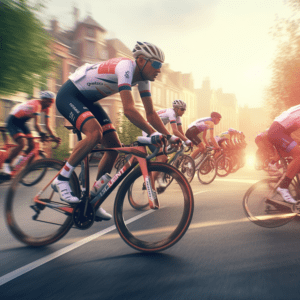
Sports and lots of activity can cause knee pain in children. Running, jumping, and training put more pressure on the knees. Teenagers who play football, basketball, or dance may get knee pain. The risk of overuse injury goes up if children do not rest enough.
Knee pain happens in about 18.5% to 30.5% of teenagers. If your child plays sports, they might get Osgood-Schlatter disease. About 10% of young athletes aged 12 to 15 get this, but only 2.3% of all children do. Children with knee pain may have more problems later, like osteoarthritis. You should check your child’s knees and remind them to take breaks during hard activity.
Note: Looking after knee pain early helps stop future problems and keeps children growing well.
Common Knee Injuries in Children

Children can hurt their knees in many ways. Pain might start after playing sports, falling, or growing quickly. Knowing about common knee injuries helps you spot problems early and get help.
Osgood-Schlatter Disease
Osgood-Schlatter disease is a usual knee injury in children. It often happens when kids grow fast. Girls get it between ages 8 and 13. Boys get it between ages 10 and 15. Training more or playing one sport makes the risk higher. Doing the same moves like running or jumping adds stress to the knee. Tight quadriceps and hamstrings also make things worse.
- Fast growth puts more pressure on the knee.
- Training harder can irritate where the tendon joins the bone.
- Playing only one sport makes the knee work too much.
- Stiff ankles change how kids run and stress the knee.
- Tight thigh muscles add more strain.
You can help by letting your child try different sports. Stretching the ankles helps too. Osgood-Schlatter disease causes swelling at the tibial tuberosity. This is just below the kneecap. It hurts most when your child is active.
Tip: Rest and gentle stretching can help the pain. Most children get better with simple care.
Patellofemoral Pain Syndrome
Patellofemoral pain syndrome is another common knee problem. Your child may say the front of their knee hurts. It gets worse when climbing stairs, squatting, or sitting for a long time. This happens when the patella does not move smoothly over the femur. Bad alignment, weak muscles, or doing too much can cause pain.
- Bending the knee makes the pain worse.
- Weak thigh muscles and bad movement increase the risk.
- Doing the same sport or training too much can irritate the knee.
Look for clicking, grinding, or swelling in the knee. Early treatment with exercises and rest helps most children get back to normal.
Ligament Tears and Trauma
Ligament tears and other knee injuries often happen in sports or accidents. You might see swelling, bruises, or trouble walking after a fall or twist. The anterior cruciate ligament (ACL) is the one hurt most often. Many children get ACL injuries each year, sometimes with meniscal tears.
Studies show adults have more complex ACL injuries than children. In children, these injuries happen in sports like football, basketball, or gymnastics. Quick turns, jumping, or bumps can cause tears.
| Type of Injury | Typical Cause | Signs to Watch For |
|---|---|---|
| ACL Tear | Twisting, jumping | Swelling, pain, instability |
| Meniscal Injury | Sudden stop, twist | Locking, clicking, pain |
| Trauma (fall/collision) | Direct impact | Bruising, swelling, limp |
See a doctor if your child cannot stand or if the knee looks odd. Getting help early stops bigger problems later.
Other Conditions (e.g. Sinding-Larsen-Johansson, Bursitis)
Some knee injuries are rare but still matter. Sinding-Larsen-Johansson syndrome (SLJS) affects active children aged 10 to 14. You may notice pain at the bottom of the kneecap, swelling, and stiff movement. Children with cerebral palsy have a higher risk. Pain gets worse with exercise, stairs, squatting, or jumping, but resting helps.
- SLJS makes the bottom of the kneecap sore to touch.
- Swelling and tight thigh or calf muscles can happen.
- Pain gets worse when straightening the knee or moving.
- SLJS gets better as the growth plate closes and with rest.
Bursitis can cause swelling and soreness near the knee. It happens from kneeling a lot or a hard bump. You might see redness or feel warmth. Rest and ice usually help.
Other rare causes include juvenile idiopathic arthritis, infection, and bone problems. These can cause pain, swelling, or fever that does not go away. See a doctor if your child feels sick or the pain lasts.
Note: Most knee injuries in children get better with early care. Tell your child to rest, stretch, and talk about pain that stays.
Symptoms of Osgood-Schlatter Disease
Pain Below Kneecap
Your child might say their knee hurts under the kneecap. The pain is at the tibial tubercle, which is a bony bump. This spot is at the top of the shin. Many children feel aching or soreness at this bump. The pain gets worse after running or jumping. Squatting can also make it hurt more. One knee or both knees can have pain. You may see your child rub the sore spot. They might stop doing things that make it hurt. Pain and swelling show up more during growth spurts. This is when bones and muscles change fast.
Children often say sports or falling make the pain worse. The bump under the knee can look swollen and feel very sore.
Swelling and Tenderness
Swelling and soreness are common with Osgood-Schlatter disease. You might see a bump under your child’s kneecap. The area can look red or feel hot. If you press the bump, your child may pull away. This is because it hurts and is swollen. The knee joint usually looks normal. The tibial tubercle sticks out more than usual. Tight thigh muscles can make swelling worse. Sometimes, the bump gets bigger when the growth plate is irritated.
| Symptom | What You Might Notice |
|---|---|
| Swelling | Bump below kneecap, redness |
| Tenderness | Soreness when touched |
| Tight thigh muscles | Stiffness, less flexibility |
Aggravation by Activity
Doing sports can make Osgood-Schlatter disease worse. Football, basketball, and gymnastics often cause pain and swelling. Running and jumping put more strain on the tendon. Sudden moves can also make it hurt. Your child may limp or stop playing because it hurts. Rest does not always fix the pain. Gentle stretching and strength exercises can help. Most children feel better after the growth spurt ends. If you ignore the pain, it can cause more problems later.
Tip: Tell your child to take breaks and try new activities. Safe exercise helps pain and swelling without making things worse.
Recognising Knee Pain and When to Seek Help
Warning Signs
You may notice mild knee pain after your child plays sports or grows quickly. Most aches settle with rest and gentle stretching. Some signs, though, mean you should act fast. Watch for these warning signals:
- Joint swelling or puffiness
- Redness or skin changes over the knee
- Warmth compared to the other knee
- Early morning stiffness or stiffness after rest
- Limping or changes in walking
- Restricted movement or trouble bending the knee
- Fever, chills, or feeling unwell
- Rashes or red spots
- Night pain that wakes your child
- Loss of appetite or weight loss
- Persistent pain lasting more than a week
- Knee locking, catching, or giving way
If you see any of these signs, your child may have a serious problem like infection or juvenile idiopathic arthritis. Seek help quickly.
When to See a Doctor
You should contact your doctor if your child’s knee pain:
- Follows an injury or accident.
- Comes with fever or chills.
- Shows redness or warmth around the joint.
- Causes swelling that lasts for days.
- Leads to joint stiffness or less movement.
- Gets worse in the morning or after rest.
- Makes it hard for your child to use the joint.
- Causes limping or trouble walking.
- Brings unexplained weight loss.
If symptoms last for six weeks or more, especially with swelling or limping, ask your doctor about the diagnosis of osgood-schlatter disease or other joint problems.
Quick action helps prevent long-term damage and supports healthy growth in children and adolescents.
What to Expect at Assessment
Your doctor will ask about your child’s symptoms, how long the pain has lasted, and if other joints hurt. You may answer questions about fever, weight loss, or changes in movement. The doctor will check for swelling, redness, and how well your child moves the knee. Sometimes, they use imaging tests like X-rays or ultrasound to look for injuries or infection. Blood tests or joint fluid analysis may help confirm the diagnosis of osgood-schlatter disease or rule out other causes. Special tests work best when swelling has gone down.
A careful assessment helps find the cause of knee pain and guides the right treatment for your child.
How Chiropractic Care Manage Knee Pain

Chiropractic Adjustment
Chiropractic adjustments can help with knee pain. A chiropractor uses gentle hands to move your knee. This can make your knee joint work better and feel less stiff. You may feel less pain when you walk or play. Chiropractors also look at your hips, ankles, and lower back. Problems in these places can change how your knees feel. When your body is lined up well, you move easier and your knees get less tired.
Many children feel steadier and more balanced after some visits.
Shockwave Therapy
Shockwave therapy uses sound waves to help your knee heal. This treatment can make pain and swelling go down. Your knee may move better and feel less stiff. If you do shockwave therapy with chiropractors, you may get even better results. You might notice:
- Less pain and swelling in your knee
- Easier movement and more flexibility
- Stronger muscles near your knee
- Quicker healing after an injury
Shockwave therapy helps your body fix tissues and break up small calcium lumps. You may find it easier to do exercises without pain. Studies show this therapy can work better than some other treatments, like ultrasound or laser therapy, for young people who do not get better with other care.
Dry Needling
Dry needling uses thin needles to help sore or tight muscles. A chiropractor puts the needles into these spots to help muscles relax. You may feel less pain and move your knee more easily. Dry needling can also help swelling go down and muscles heal faster. Many children and teenagers think this treatment is gentle and works well, especially if they have muscle knots or use their muscles too much.
Exercises and Stretches
You can help knee pain with the right exercises and stretches. A good plan has:
- Stretches for your quadriceps and hamstrings to help with tightness.
- Strength moves for your thighs, calves, hips, and core to support your knee.
- Flexibility moves to help your knee bend and straighten all the way.
- Learning safe ways to move and play to stop injuries.
- Slowly going back to sports with safe steps.
Studies show stretching and strength work, like yoga, can lower pain and help your knee work better. You may feel less stiff and more sure when you move. Always listen to your chiropractor for the best results.
Treatment and Prevention
Rest and Recovery
You can help your child’s knee by letting them rest. Start by stopping activities that make the pain worse, like jumping or twisting. Most children get better in a few weeks if they follow a plan. Gentle exercises and physical therapy help the knee move and get stronger. Children who do their exercises often heal faster. For jumper’s knee or osgood-schlatter disease, doing active rehab can help them recover in 7 to 12 weeks. If your child only rests and does not move, it can take much longer to get better.
Tip: Remind your child to move gently and do their exercises. Total rest is not needed and can slow down healing.
Chiropractic Care and Support
Chiropractic care uses hands-on help for knee pain. Your child may feel better after joint adjustments and soft tissue therapy. Stretching exercises are also part of the care. Chiropractors show you and your child how to manage pain at home. Many families are happy with chiropractic care, especially for Osgood-Schlatter disease. Getting help early lets your child return to sports and daily life sooner. The plan has clinic visits and exercises to do at home. You help your child by following advice and going to check-ups.
Many children go back to sport in a few weeks after starting chiropractic care. They have less pain and move better.
Surgical Options
Children rarely need surgery for knee pain. Doctors only suggest surgery if the knee is unstable or does not get better with other care. Surgery is for bad ligament tears, mostly if your child is near puberty or the knee keeps giving way. The goal is to make the knee stable and stop more damage. After surgery, it takes up to six months to return to full sports. Surgery has risks, like hurting the growth plate or other problems, so doctors watch your child closely. For mild injuries, other treatments often work as well as surgery.
| Aspect | Summary |
|---|---|
| Indications for Surgery | Unstable injuries, failed conservative care, risk of further damage |
| Outcomes | Improved stability, longer recovery, higher risk of complications |
| Return to Sport | Usually 24 weeks after surgery, 15 weeks with conservative management |
| Monitoring | Regular follow-up to check growth and knee function |
Prevention Tips
You can lower your child’s risk of knee pain with easy steps. Strength exercises make muscles strong and protect the joints. Warming up before sport helps stop injuries. Good protective gear keeps knees safe in contact sports. Eating healthy food helps muscles grow and heal. You help your child by planning rest days and teaching safe ways to move.
- Special exercise plans build strength and flexibility.
- Warming up before sport lowers the risk of strains.
- Pads and other gear protect the knees.
- Healthy meals with protein and carbs help recovery.
Prevention works best when it is part of your child’s daily life. Regular exercise, rest, and good food keep knees strong and healthy.
Knee pain in children and teenagers can happen for many reasons. It often starts when they grow quickly or play lots of sports. Doing too much can also cause knee pain. You might see swelling or soreness in their knee. Sometimes, they find it hard to move their knee. If you spot these signs early, your child can get better faster. Good care helps stop problems in the future.
- Acting quickly and working with healthcare providers helps your child grow well and stay safe.
- Most children can go back to their usual activities with time and the right help.
Remember: Getting better takes a while, but with regular care and support, your child can become strong and feel confident again.
FAQ
What causes knee pain in children and teenagers?
You may notice knee pain from growth spurts, sports, or overuse. Injuries like Osgood-Schlatter disease or patellofemoral pain syndrome often cause discomfort. Sometimes, infection or arthritis can also lead to pain. Early care helps prevent long-term problems.
How can you tell if knee pain is serious?
Look for swelling, redness, or warmth. If your child cannot walk, has a fever, or the pain lasts more than a week, seek medical help. These signs may show a more serious problem that needs quick attention.
Can your child play sports with knee pain?
You should let your child rest if they feel pain. Playing through pain can make injuries worse. Ask a healthcare provider before returning to sports. Safe exercises and stretches help recovery and prevent future injuries.
What home care helps knee pain?
You can use rest, ice, and gentle stretching. Supportive shoes and soft knee pads may help. Encourage your child to avoid activities that cause pain. If pain continues, see a doctor or chiropractor for advice.