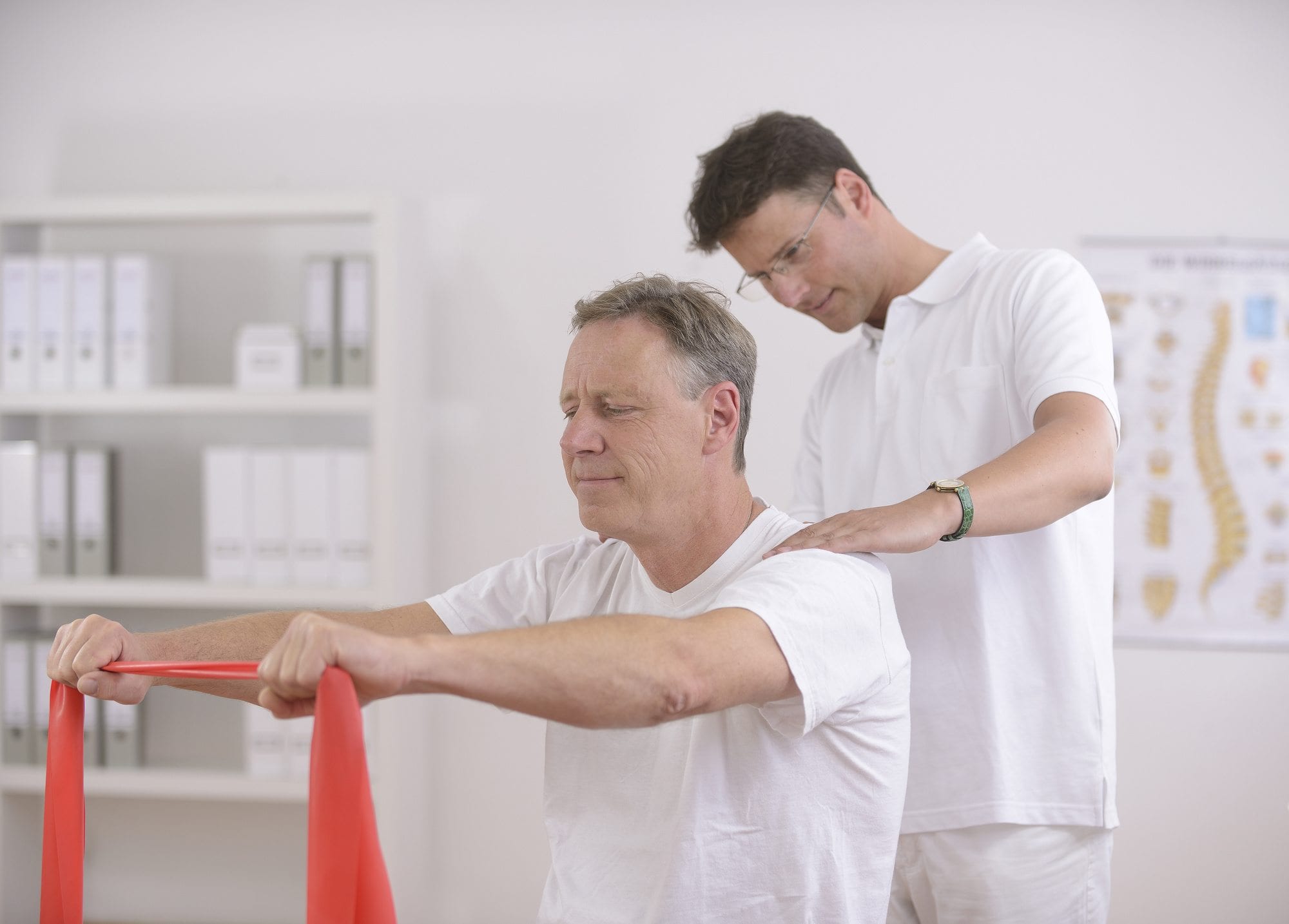
SPORTS CHIROPRACTOR HELP SPORTS INJURIES

Types of Sports Injuries Chiropractors Can Help With

You can get help from a chiropractor for many sports injuries. These injuries can happen from quick twists or muscle problems. Bad movement can also cause them. You might have sprains, strains, tendonitis, or joint pain. This pain can be in your knee, shoulder, or elbow. Some common problems are overuse injuries and repetitive strain disorders. Running injuries are also common. Sports injury chiropractic care helps athletes and active people. It helps with pain and makes movement better.

  • Muscle strains
  • Ligament sprains
  • Tendonitis
  • Knee, shoulder, and elbow pain
  • Overuse injuries
  • Repetitive strain disorders
  • Running injuries

Key Takeaways

  • Chiropractors help with many sports injuries like muscle strains, ligament sprains, and joint pain. They can help lower pain and make movement better. This lets athletes get back to their sport sooner. Chiropractic adjustments and soft tissue therapy help you heal and stop more injuries. Rehab exercises are important for making muscles stronger. They also help you move safely while you heal. See a chiropractor if you still have pain or feel uncomfortable after playing sports. This can help you heal faster.

Types of Sports Injuries Chiropractor Treats

Types of Sports Injuries Chiropractor Treats
Image Source: unsplash

Sports chiropractors help you get better from many sports injuries. Some people think they only fix back or neck pain. But they check your whole musculoskeletal system. This means they look at your muscles, joints, tendons, and ligaments. You can get help for injuries from sports or exercise.

Muscle Strains and Sprains

Muscle strains happen when your muscle fibers stretch too much or tear. This can happen if you move quickly or use your muscles wrong in sports. Ligament sprains happen when you stretch or tear the strong bands that connect bones. These injuries often happen if you skip warm-ups or do not stretch before playing.

  • Muscle strains can come from:
    • Sudden moves
    • Using muscles wrong
  • Ligament sprains can come from:
    • Not warming up
    • Not stretching

You may feel pain, swelling, or weakness. Sports chiropractors use hands-on ways to help your muscles heal and get you back to your activities.

Joint Pain (Knee, Shoulder, Elbow)

Joint pain is common in sports injuries. You might feel pain in your knee, shoulder, or elbow. These joints help you move, throw, or run. Many athletes see chiropractors for these injuries.

You may notice less movement or pain when you use your joint. Chiropractors can help you move better and feel less pain.

Here is a table showing what studies say about chiropractic care for joint pain:

Evidence Type Findings
Case Report Positive trends in knee flexion range of motion, Lequesne index, and WOMAC index scores.
Systematic Review Manual therapy with and without exercise gives short-term benefits for pain and movement in knee OA.
Randomized Controlled Trial Manipulation plus exercise improved knee function and pain scores more than exercise alone.

Chiropractors treat many injuries in athletes, including:

  • Joint pain in the knee
  • Shoulder injuries
  • Elbow conditions like tennis elbow and golfer’s elbow
  • Other injuries such as sprains, strains, and chronic pain

You may also have trouble moving your joints. Chiropractors help you move better and feel less pain.

Tendonitis and Overuse Injuries

Tendonitis means your tendons get sore from using them too much. Overuse injuries happen when you repeat the same movement many times. These injuries are common in the shoulder and elbow. You may get them if you train too hard or do not rest enough.

  • Overuse injuries are common in the shoulder and elbow.
  • Not warming up or stretching can cause muscle strains and ligament sprains.

Chiropractic care can help lower pain and heal the tissue. For example, someone with bad tennis elbow felt much better after five shockwave treatments and chiropractic care. The pain went from 8 to 2. The treatment helped heal the tissue, not just hide the pain. Chiropractic adjustments can also help nerves work better and lower strain on your tendons.

You may have a higher risk for these injuries if you:

  • Train too much
  • Compete often
  • Focus on one sport early
  • Do not recover well

Older age, higher body weight, and how you move can also raise your risk.

Repetitive Strain Disorders

Repetitive strain disorders happen when you do the same movement again and again. These injuries can affect your tendons, muscles, or nerves. You may get them from swinging a racket, throwing, or running.

Chiropractors use special treatments to help your body heal. Shockwave therapy can start tissue repair when your body cannot heal by itself. This therapy helps with:

  • Chronic tendon problems
  • Overuse injuries that do not get better with other treatments
  • Injuries that do not improve with physical therapy or medicine
  • Tennis elbow and Achilles tendinopathy

You may feel less pain and move better after treatment.

Condition Effectiveness
Chronic Tendon Conditions Shockwave therapy starts tissue healing where natural healing has stopped.
Overuse Injuries Helps athletes and active people with injuries that resist standard treatments.
Treatment-Resistant Conditions Gives relief when physical therapy or medicine does not work.
Tennis Elbow Promotes tendon cell repair for chronic cases.
Achilles Tendinopathy Restores cell activity in damaged fibers, helping you recover.

Running Injuries

Running injuries are very common. You may get pain in your feet, shins, or knees. Plantar fasciitis and shin splints are two examples. Chiropractors use shockwave therapy and special exercises to help you heal faster.

Study Findings
Rompe et al. (2010) Shockwave therapy with a running program helped people return to sport faster for shin pain.
Aqil et al. (2013) Meta-analysis showed big improvement in pain and movement for plantar fasciitis with shockwave therapy.
Lou et al. (2017) More trials showed shockwave therapy works for plantar fasciitis.

You may return to your sport sooner with the right treatment. Chiropractors help you get better from running injuries and stop them from coming back.

Sports chiropractors treat many types of sports injuries. They look at your whole body, not just your back or neck. You can get help for muscle strains, ligament sprains, joint pain, tendonitis, overuse injuries, repetitive strain disorders, and running injuries.

Sports Injury Chiropractic Treatments

Sports Injury Chiropractic Treatments
Image Source: pexels

Chiropractic care can help you heal from sports injuries faster. A chiropractor checks your whole musculoskeletal system to find what is wrong. They use different treatments to help you heal, lower swelling, and move better.

Chiropractic Adjustments

Chiropractic adjustments help your joints move the right way. The chiropractor uses their hands or a tool to press gently on your spine or joints. This can fix how your joints line up and lower swelling. You might feel less pain and move easier after these adjustments. These treatments also help your muscles and joints work better.

Technique Benefit
Chiropractic adjustments Fix joint alignment and lower swelling
Spinal adjustments Help joints move and ease pain
Digital X-ray imaging Helps find the problem and track healing

Soft Tissue Therapy

Soft tissue therapy works on your muscles, tendons, and ligaments. The chiropractor may use massage, myofascial release, or red light therapy. These treatments help relax your muscles and help your body heal. You may feel less pain and move better after soft tissue therapy.

Study Type Findings
Randomized Trial (Journal of Athletic Training) Athletes who got near-infrared therapy healed faster and had less pain than those who only used RICE.
Systematic Review (Journal of Clinical Medicine) Red light therapy helps lower pain and swelling in soft-tissue injuries.
Research (European Journal of Applied Physiology) Low-level laser therapy helps tendons heal faster.

Rehabilitation Exercises

Rehabilitation exercises are an important part of chiropractic care. Your chiropractor makes a plan to help you get stronger and move better. These exercises help weak muscles and teach you to move safely. Functional rehab helps you get back to sports and daily life without pain.

  • Special exercise plans help you get stronger and avoid new injuries.
  • Corrective exercises fix weak muscles and help you move better.
  • Functional movement training helps you do daily things without pain.

Pain Relief and Mobility Restoration

Chiropractic care helps you feel less pain and move more easily. Many people feel better after just a few visits. You may also notice your joints move better and your life feels easier.

Outcome Description
Pain Reduction Chiropractic care can help lower pain and swelling.
Improved Joint Mobility People often move better after treatment.
Enhanced Quality of Life Chiropractic care can make your daily life better.

Tip: If you want to heal faster and stop future injuries, ask your chiropractor for a full treatment plan for your musculoskeletal system.

Benefits and Limits of Sports Recovery Chiropractor

Advantages for Athletes

A sports recovery chiropractor can help you in many ways. Chiropractic care helps you return to your sport after getting hurt. You might feel less pain and move better. Many athletes use chiropractic care to stay healthy and avoid getting hurt again.

  • Chiropractic care helps your body work right, which is important for healing.
  • Adjustments make it easier to move and can lower pain.
  • You may move better and feel more sure during rehab.
  • Chiropractic adjustments help you move your joints more and fix muscle or joint problems.

Note: Chiropractors study anatomy, physiology, and clinical skills for years. They use what they know to help you heal safely.

When Chiropractic Care Is Not Enough

Sometimes, you need more than just chiropractic care. Some injuries need other treatments or even surgery. If you do not get better, your chiropractor may tell you to see another doctor. Always pay attention to your body and tell your chiropractor if your pain gets worse.

Some people have wrong ideas about chiropractic care. Some think you must go forever or that it is not safe. The truth is:

  • Chiropractors get a Doctor of Chiropractic (DC) degree after five years of university.
  • Chiropractic care is one of the safest ways to treat muscle and joint pain without surgery.
  • The popping sound during adjustments is just gas leaving the joint, not something bad.
  • You do not need treatment forever. Your care plan is made for your needs and goals.

Integrating with Other Treatments

You get the best results when you use chiropractic care with other treatments. Your chiropractor may work with physical therapists, doctors, or personal trainers. This team helps you heal faster and stay healthy.

  • Chiropractic care does not use drugs or surgery, which many athletes like.
  • Special programs help you get stronger and more flexible.
  • Regular care can help you feel better and more confident.
  • Working with other health experts gives you full care for your injury.

Tip: Ask your chiropractor if you should use other treatments too. This can help you heal faster and get back to your sport with less chance of getting hurt again.

When to See a Chiropractor for Sports Injuries

Signs You Need Sports Injury Chiropractic

You may wonder when to see a sports chiropractor. You should pay attention to your body. Some signs show you need help:

  • You feel pain or tightness after a workout.
  • Discomfort limits your training or daily movement.
  • You notice irritation in your back, neck, hip, or shoulder after repeating a movement.
  • You feel guarded or stiff after pushing harder than usual.
  • Pain or tightness keeps coming back with the same activity.
  • Your pain changes how you move or train.
  • A flare-up does not get better with normal rest.
  • You want a careful exam before you return to your sport.

Early care helps you heal faster. Do not wait for the pain to get worse.

What to Expect at Your Visit

You may feel nervous before your first visit. A sports chiropractor will listen to your story. They will ask about your injury and how it started. You will get a full exam. The chiropractor will check your movement, strength, and flexibility.

Your treatment plan may include:

  • Adjustments to help your joints move better.
  • Soft tissue therapy to relax muscles and tendons.
  • Special exercises to build strength and improve movement.

These treatments fit your needs. The goal is to help you heal, move better, and return to your sport safely.

Step What Happens
History You share your injury story
Exam Chiropractor checks your movement
Treatment Plan You get a plan for healing
First Treatment You may start care right away

Choosing a Sports Recovery Chiropractor

You want the best care for your injury. Look for a chiropractor who works with athletes. Ask about their training and experience. A good sports chiropractor will:

  • Listen to your goals.
  • Use different treatments for your needs.
  • Work with other health experts if needed.

Tip: Choose someone who explains things clearly and answers your questions. You should feel comfortable and supported during your recovery.

You can see a chiropractor for new or old injuries. Chiropractors help with joint pain, strains, and overuse problems. They treat many musculoskeletal issues. Chiropractic care helps you heal from sports injuries. It also helps stop injuries before they happen. You may become more flexible, faster, and stronger. Chiropractors give advice for returning to play and activity.

  • Chiropractic care helps you heal and avoid injuries.
  • Many athletes perform better and get hurt less.
  • You get a plan made just for you.

If you have pain or trouble moving, talk to a chiropractor at Kings Park Chiropractic. Call (02) 9837 5161 or make an appointment online. You might feel better and return to your sport sooner.

FAQ

What is sports injury chiropractic care?

Sports injury chiropractic care helps you heal after getting hurt in sports. This care helps your muscles, joints, and tendons get better. You can use it if you have pain, swelling, or trouble moving after playing sports or working out.

How does a sports recovery chiropractor help athletes?

A sports recovery chiropractor looks at your injury and makes a plan for you. You might get adjustments, soft tissue therapy, and special exercises. This care helps you move better and get back to your sport sooner.

When should you see a sports recovery chiropractor?

You should see a sports recovery chiropractor if you feel pain, tightness, or weakness after sports. If your pain stays even after you rest, you need help. Getting care early helps you heal faster and keeps you from getting hurt again.

Can sports injury chiropractic prevent future injuries?

Yes, sports injury chiropractic can help stop future injuries. You learn how to move better and get stronger. Your chiropractor teaches you stretches and exercises. This care keeps your body balanced and ready for sports.

What makes a sports recovery chiropractor different from other chiropractors?

A sports recovery chiropractor has extra training for sports injuries. You get care for your whole body, not just your back. This expert helps you heal, move better, and go back to sports safely.

Children and Adolescents Knee Pain with chiropractic care

Why Do Children and Adolescents Experience Knee Pain

You may see knee pain in children or teenagers. This happens more during fast growth or lots of activity. Playing sports and doing too much can cause this pain. Some main causes are Osgood-Schlatter disease, patellofemoral pain syndrome, and injuries. If you spot symptoms early, you can help quickly. Most times, this leads to good results.

Research shows knee pain is the top complaint in children with growing pains.

Pain Site Percentage (%)
Knee Pain 63.85
Other Sites 36.15

Key Takeaways

  • Knee pain in children can happen when they grow quickly or do too much activity. This is common in sports like football and basketball. – Some main causes are Osgood-Schlatter disease, patellofemoral pain syndrome, and injuries such as ligament tears. – Resting early, doing gentle stretches, and taking care of the knee help most children get better. This also helps stop future problems. – Look out for signs like swelling, redness, limping, or pain that stays for more than a week. See a doctor if you notice these signs. – Doing strength exercises, warming up, eating healthy food, and moving safely can help stop knee pain. These things also keep knees strong and healthy.

Knee Pain in Children

Growth Spurts and Activity

Children can get knee pain when they grow fast. Their bones get longer quickly during a growth spurt. Muscles, tendons, and ligaments do not always keep up. This can make the knees feel tight and sore. Some children say their knees feel like they are being pulled. The body may move differently, which puts extra strain on the joints.

  • Bones grow faster than soft tissues, so knees feel tight.
  • Soreness and pulling feelings happen as the body changes.
  • Posture and movement can shift, causing some imbalance.
  • Muscles get tired and small tears can form if kids stay active.
  • The nervous system gets more sensitive, so pain feels worse.

These things show why knee pain is common when children grow quickly. Watch for signs of pain, especially if your child is very active.

Tip: Gentle stretching and regular rest can help ease knee tension during growth spurts.

Overuse and Sports

Sports and lots of activity can cause knee pain in children. Running, jumping, and training put more pressure on the knees. Teenagers who play football, basketball, or dance may get knee pain. The risk of overuse injury goes up if children do not rest enough.

Knee pain happens in about 18.5% to 30.5% of teenagers. If your child plays sports, they might get Osgood-Schlatter disease. About 10% of young athletes aged 12 to 15 get this, but only 2.3% of all children do. Children with knee pain may have more problems later, like osteoarthritis. You should check your child’s knees and remind them to take breaks during hard activity.

Note: Looking after knee pain early helps stop future problems and keeps children growing well.

Common Knee Injuries in Children

Common Knee Injuries in Children
Image Source: pexels

Children can hurt their knees in many ways. Pain might start after playing sports, falling, or growing quickly. Knowing about common knee injuries helps you spot problems early and get help.

Osgood-Schlatter Disease

Osgood-Schlatter disease is a usual knee injury in children. It often happens when kids grow fast. Girls get it between ages 8 and 13. Boys get it between ages 10 and 15. Training more or playing one sport makes the risk higher. Doing the same moves like running or jumping adds stress to the knee. Tight quadriceps and hamstrings also make things worse.

  • Fast growth puts more pressure on the knee.
  • Training harder can irritate where the tendon joins the bone.
  • Playing only one sport makes the knee work too much.
  • Stiff ankles change how kids run and stress the knee.
  • Tight thigh muscles add more strain.

You can help by letting your child try different sports. Stretching the ankles helps too. Osgood-Schlatter disease causes swelling at the tibial tuberosity. This is just below the kneecap. It hurts most when your child is active.

Tip: Rest and gentle stretching can help the pain. Most children get better with simple care.

Patellofemoral Pain Syndrome

Patellofemoral pain syndrome is another common knee problem. Your child may say the front of their knee hurts. It gets worse when climbing stairs, squatting, or sitting for a long time. This happens when the patella does not move smoothly over the femur. Bad alignment, weak muscles, or doing too much can cause pain.

  • Bending the knee makes the pain worse.
  • Weak thigh muscles and bad movement increase the risk.
  • Doing the same sport or training too much can irritate the knee.

Look for clicking, grinding, or swelling in the knee. Early treatment with exercises and rest helps most children get back to normal.

Ligament Tears and Trauma

Ligament tears and other knee injuries often happen in sports or accidents. You might see swelling, bruises, or trouble walking after a fall or twist. The anterior cruciate ligament (ACL) is the one hurt most often. Many children get ACL injuries each year, sometimes with meniscal tears.

Studies show adults have more complex ACL injuries than children. In children, these injuries happen in sports like football, basketball, or gymnastics. Quick turns, jumping, or bumps can cause tears.

Type of Injury Typical Cause Signs to Watch For
ACL Tear Twisting, jumping Swelling, pain, instability
Meniscal Injury Sudden stop, twist Locking, clicking, pain
Trauma (fall/collision) Direct impact Bruising, swelling, limp

See a doctor if your child cannot stand or if the knee looks odd. Getting help early stops bigger problems later.

Other Conditions (e.g. Sinding-Larsen-Johansson, Bursitis)

Some knee injuries are rare but still matter. Sinding-Larsen-Johansson syndrome (SLJS) affects active children aged 10 to 14. You may notice pain at the bottom of the kneecap, swelling, and stiff movement. Children with cerebral palsy have a higher risk. Pain gets worse with exercise, stairs, squatting, or jumping, but resting helps.

  • SLJS makes the bottom of the kneecap sore to touch.
  • Swelling and tight thigh or calf muscles can happen.
  • Pain gets worse when straightening the knee or moving.
  • SLJS gets better as the growth plate closes and with rest.

Bursitis can cause swelling and soreness near the knee. It happens from kneeling a lot or a hard bump. You might see redness or feel warmth. Rest and ice usually help.

Other rare causes include juvenile idiopathic arthritis, infection, and bone problems. These can cause pain, swelling, or fever that does not go away. See a doctor if your child feels sick or the pain lasts.

Note: Most knee injuries in children get better with early care. Tell your child to rest, stretch, and talk about pain that stays.

Symptoms of Osgood-Schlatter Disease

Pain Below Kneecap

Your child might say their knee hurts under the kneecap. The pain is at the tibial tubercle, which is a bony bump. This spot is at the top of the shin. Many children feel aching or soreness at this bump. The pain gets worse after running or jumping. Squatting can also make it hurt more. One knee or both knees can have pain. You may see your child rub the sore spot. They might stop doing things that make it hurt. Pain and swelling show up more during growth spurts. This is when bones and muscles change fast.

Children often say sports or falling make the pain worse. The bump under the knee can look swollen and feel very sore.

Swelling and Tenderness

Swelling and soreness are common with Osgood-Schlatter disease. You might see a bump under your child’s kneecap. The area can look red or feel hot. If you press the bump, your child may pull away. This is because it hurts and is swollen. The knee joint usually looks normal. The tibial tubercle sticks out more than usual. Tight thigh muscles can make swelling worse. Sometimes, the bump gets bigger when the growth plate is irritated.

Symptom What You Might Notice
Swelling Bump below kneecap, redness
Tenderness Soreness when touched
Tight thigh muscles Stiffness, less flexibility

Aggravation by Activity

Doing sports can make Osgood-Schlatter disease worse. Football, basketball, and gymnastics often cause pain and swelling. Running and jumping put more strain on the tendon. Sudden moves can also make it hurt. Your child may limp or stop playing because it hurts. Rest does not always fix the pain. Gentle stretching and strength exercises can help. Most children feel better after the growth spurt ends. If you ignore the pain, it can cause more problems later.

Tip: Tell your child to take breaks and try new activities. Safe exercise helps pain and swelling without making things worse.

Recognising Knee Pain and When to Seek Help

Warning Signs

You may notice mild knee pain after your child plays sports or grows quickly. Most aches settle with rest and gentle stretching. Some signs, though, mean you should act fast. Watch for these warning signals:

  • Joint swelling or puffiness
  • Redness or skin changes over the knee
  • Warmth compared to the other knee
  • Early morning stiffness or stiffness after rest
  • Limping or changes in walking
  • Restricted movement or trouble bending the knee
  • Fever, chills, or feeling unwell
  • Rashes or red spots
  • Night pain that wakes your child
  • Loss of appetite or weight loss
  • Persistent pain lasting more than a week
  • Knee locking, catching, or giving way

If you see any of these signs, your child may have a serious problem like infection or juvenile idiopathic arthritis. Seek help quickly.

When to See a Doctor

You should contact your doctor if your child’s knee pain:

  1. Follows an injury or accident.
  2. Comes with fever or chills.
  3. Shows redness or warmth around the joint.
  4. Causes swelling that lasts for days.
  5. Leads to joint stiffness or less movement.
  6. Gets worse in the morning or after rest.
  7. Makes it hard for your child to use the joint.
  8. Causes limping or trouble walking.
  9. Brings unexplained weight loss.

If symptoms last for six weeks or more, especially with swelling or limping, ask your doctor about the diagnosis of osgood-schlatter disease or other joint problems.

Quick action helps prevent long-term damage and supports healthy growth in children and adolescents.

What to Expect at Assessment

Your doctor will ask about your child’s symptoms, how long the pain has lasted, and if other joints hurt. You may answer questions about fever, weight loss, or changes in movement. The doctor will check for swelling, redness, and how well your child moves the knee. Sometimes, they use imaging tests like X-rays or ultrasound to look for injuries or infection. Blood tests or joint fluid analysis may help confirm the diagnosis of osgood-schlatter disease or rule out other causes. Special tests work best when swelling has gone down.

A careful assessment helps find the cause of knee pain and guides the right treatment for your child.

How Chiropractic Care Manage Knee Pain

How Chiropractic Care Manage Knee Pain
Image Source: pexels

Chiropractic Adjustment

Chiropractic adjustments can help with knee pain. A chiropractor uses gentle hands to move your knee. This can make your knee joint work better and feel less stiff. You may feel less pain when you walk or play. Chiropractors also look at your hips, ankles, and lower back. Problems in these places can change how your knees feel. When your body is lined up well, you move easier and your knees get less tired.

Many children feel steadier and more balanced after some visits.

Shockwave Therapy

Shockwave therapy uses sound waves to help your knee heal. This treatment can make pain and swelling go down. Your knee may move better and feel less stiff. If you do shockwave therapy with chiropractors, you may get even better results. You might notice:

  • Less pain and swelling in your knee
  • Easier movement and more flexibility
  • Stronger muscles near your knee
  • Quicker healing after an injury

Shockwave therapy helps your body fix tissues and break up small calcium lumps. You may find it easier to do exercises without pain. Studies show this therapy can work better than some other treatments, like ultrasound or laser therapy, for young people who do not get better with other care.

Dry Needling

Dry needling uses thin needles to help sore or tight muscles. A chiropractor puts the needles into these spots to help muscles relax. You may feel less pain and move your knee more easily. Dry needling can also help swelling go down and muscles heal faster. Many children and teenagers think this treatment is gentle and works well, especially if they have muscle knots or use their muscles too much.

Exercises and Stretches

You can help knee pain with the right exercises and stretches. A good plan has:

  1. Stretches for your quadriceps and hamstrings to help with tightness.
  2. Strength moves for your thighs, calves, hips, and core to support your knee.
  3. Flexibility moves to help your knee bend and straighten all the way.
  4. Learning safe ways to move and play to stop injuries.
  5. Slowly going back to sports with safe steps.

Studies show stretching and strength work, like yoga, can lower pain and help your knee work better. You may feel less stiff and more sure when you move. Always listen to your chiropractor for the best results.

Treatment and Prevention

Rest and Recovery

You can help your child’s knee by letting them rest. Start by stopping activities that make the pain worse, like jumping or twisting. Most children get better in a few weeks if they follow a plan. Gentle exercises and physical therapy help the knee move and get stronger. Children who do their exercises often heal faster. For jumper’s knee or osgood-schlatter disease, doing active rehab can help them recover in 7 to 12 weeks. If your child only rests and does not move, it can take much longer to get better.

Tip: Remind your child to move gently and do their exercises. Total rest is not needed and can slow down healing.

Chiropractic Care and Support

Chiropractic care uses hands-on help for knee pain. Your child may feel better after joint adjustments and soft tissue therapy. Stretching exercises are also part of the care. Chiropractors show you and your child how to manage pain at home. Many families are happy with chiropractic care, especially for Osgood-Schlatter disease. Getting help early lets your child return to sports and daily life sooner. The plan has clinic visits and exercises to do at home. You help your child by following advice and going to check-ups.

Many children go back to sport in a few weeks after starting chiropractic care. They have less pain and move better.

Surgical Options

Children rarely need surgery for knee pain. Doctors only suggest surgery if the knee is unstable or does not get better with other care. Surgery is for bad ligament tears, mostly if your child is near puberty or the knee keeps giving way. The goal is to make the knee stable and stop more damage. After surgery, it takes up to six months to return to full sports. Surgery has risks, like hurting the growth plate or other problems, so doctors watch your child closely. For mild injuries, other treatments often work as well as surgery.

Aspect Summary
Indications for Surgery Unstable injuries, failed conservative care, risk of further damage
Outcomes Improved stability, longer recovery, higher risk of complications
Return to Sport Usually 24 weeks after surgery, 15 weeks with conservative management
Monitoring Regular follow-up to check growth and knee function

Prevention Tips

You can lower your child’s risk of knee pain with easy steps. Strength exercises make muscles strong and protect the joints. Warming up before sport helps stop injuries. Good protective gear keeps knees safe in contact sports. Eating healthy food helps muscles grow and heal. You help your child by planning rest days and teaching safe ways to move.

  • Special exercise plans build strength and flexibility.
  • Warming up before sport lowers the risk of strains.
  • Pads and other gear protect the knees.
  • Healthy meals with protein and carbs help recovery.

Prevention works best when it is part of your child’s daily life. Regular exercise, rest, and good food keep knees strong and healthy.

Knee pain in children and teenagers can happen for many reasons. It often starts when they grow quickly or play lots of sports. Doing too much can also cause knee pain. You might see swelling or soreness in their knee. Sometimes, they find it hard to move their knee. If you spot these signs early, your child can get better faster. Good care helps stop problems in the future.

  • Acting quickly and working with healthcare providers helps your child grow well and stay safe.
  • Most children can go back to their usual activities with time and the right help.

Remember: Getting better takes a while, but with regular care and support, your child can become strong and feel confident again.

FAQ

What causes knee pain in children and teenagers?

You may notice knee pain from growth spurts, sports, or overuse. Injuries like Osgood-Schlatter disease or patellofemoral pain syndrome often cause discomfort. Sometimes, infection or arthritis can also lead to pain. Early care helps prevent long-term problems.

How can you tell if knee pain is serious?

Look for swelling, redness, or warmth. If your child cannot walk, has a fever, or the pain lasts more than a week, seek medical help. These signs may show a more serious problem that needs quick attention.

Can your child play sports with knee pain?

You should let your child rest if they feel pain. Playing through pain can make injuries worse. Ask a healthcare provider before returning to sports. Safe exercises and stretches help recovery and prevent future injuries.

What home care helps knee pain?

You can use rest, ice, and gentle stretching. Supportive shoes and soft knee pads may help. Encourage your child to avoid activities that cause pain. If pain continues, see a doctor or chiropractor for advice.

Joyful baby receiving care from a pediatric chiropractor, surrounded by stuffed toys

Specialized Chiropractic Care for Kids in Kings Park: Promote Growth and Development

At Kings Park Chiropractic, we understand the unique needs of children when it comes to their health and well-being. Our specialized chiropractic care for kids in Kings Park, led by Dr. Brian Sin, aims to promote their growth and development by enhancing nervous system function and addressing common childhood conditions.

Why Choose Specialized Chiropractic Care for Kids:

Specialized chiropractic care for kids offers numerous benefits that contribute to their overall health and well-being. It focuses on supporting healthy growth, optimizing nervous system function, and addressing specific conditions or concerns that may affect their quality of life.

Dr. Brian Sin: Your Trusted Chiropractor for Kids:

Dr. Brian Sin is committed to providing exceptional chiropractic care for kids in Kings Park. With his specialized training and experience in pediatric chiropractic, he understands the unique needs of children and tailors his treatments to ensure their safety and comfort.

The Importance of Specialized Chiropractic Care for Kids:

Specialized chiropractic care for kids plays a vital role in promoting their growth and development. It can address a range of conditions and concerns that are common among children, such as posture and alignment issues, sports injuries, and discomfort associated with rapid growth.

Common Childhood Conditions Addressed by Specialized Chiropractic Care:

Specialized chiropractic care for kids can effectively address various common childhood conditions, including:

Posture and Alignment Issues:

Proper spinal alignment is crucial for optimal growth and development. Specialized chiropractic adjustments can help correct posture and alignment issues, reducing the risk of musculoskeletal imbalances.

Sports Injuries:

Children are often involved in sports and physical activities, which can sometimes result in injuries. Specialized chiropractic care can aid in the recovery from sports-related injuries and support the healing process.

A Customized Approach for Your Child’s Health:

Each child is unique and requires individualized care. Dr. Brian Sin assesses each child’s specific needs and creates customized treatment plans that are tailored to their condition, age, and developmental stage.

Gentle and Safe Chiropractic Techniques for Kids:

Dr. Brian Sin utilizes gentle and safe chiropractic techniques that are specifically designed for children. These techniques are non-invasive and ensure the comfort and safety of your child during their chiropractic sessions.

Creating a Positive Experience for Kids:

We understand the importance of creating a positive and welcoming environment for kids. Our clinic is designed to be child-friendly, with a comfortable and engaging atmosphere that helps children feel relaxed and at ease during their visits.

Collaborating with Parents for Comprehensive Care:

We believe in the power of collaboration between chiropractors and parents for the best possible outcomes. We actively involve parents in their child’s care, providing education, guidance, and support to promote healthy lifestyle habits and holistic well-being.

Choosing Kings Park Chiropractic for Specialized Chiropractic Care for Kids:

When it comes to specialized chiropractic care for kids in Kings Park, Kings Park Chiropractic is your trusted choice. Dr. Brian Sin’s expertise in pediatric chiropractic, combined with our caring and knowledgeable team, ensures that your child receives the highest level of care.

Schedule an Appointment for Specialized Chiropractic Care for Kids:

If you’re seeking specialized chiropractic care for your child in Kings Park, we invite you to schedule an appointment at Kings Park Chiropractic. Dr. Brian Sin and our team are dedicated to providing comprehensive care that promotes the growth, development, and well-being of your child.

Powerful weightlifter performing a heavy deadlift exercise with proper form in the gym

Sports Injury Chiropractor near Kings Park: Get Back in the Game

Participating in sports and athletic activities brings joy and fulfillment, but it also carries the risk of sports injuries. When an injury occurs, it’s crucial to seek the right care to recover effectively and get back in the game. At Kings Park Chiropractic, we specialize in sports injury chiropractic care, providing comprehensive and personalized treatments to help athletes of all levels recover from injuries and optimize their performance.

Meet Dr. Brian Sin: Your Trusted Sports Injury Chiropractor:

Dr. Brian Sin is a trusted sports injury chiropractor near Kings Park with extensive experience in treating athletes. His passion for sports and his deep understanding of the musculoskeletal system make him the ideal choice for athletes seeking effective and personalized care. Dr. Sin combines his chiropractic expertise with his knowledge of sports biomechanics to provide tailored treatments that address the unique needs of each athlete.

Understanding Sports Injuries and the Role of Chiropractic Care:

Sports injuries can occur due to various factors, including overuse, trauma, improper technique, or inadequate warm-up. These injuries can range from sprains and strains to more complex conditions like ligament tears or stress fractures. Chiropractic care plays a significant role in the management and rehabilitation of sports injuries by addressing the underlying causes, promoting healing, and restoring optimal function.

The Importance of Sports Injury Rehabilitation:

Sports injury rehabilitation focuses on restoring strength, mobility, and function following an injury. It aims to alleviate pain, reduce inflammation, and prevent further complications. Proper rehabilitation not only facilitates the healing process but also minimizes the risk of re-injury and enhances overall performance.

How Chiropractic Care Supports Sports Injury Recovery:

Chiropractic care offers a holistic approach to sports injury recovery by addressing the alignment and function of the musculoskeletal system. Chiropractors use gentle adjustments to correct spinal misalignments, optimize joint function, and improve overall body mechanics. By restoring proper alignment and reducing nervous system interference, chiropractic care helps promote natural healing and enhances the effectiveness of other rehabilitation strategies.

Comprehensive Sports Injury Assessment and Diagnosis:

At Kings Park Chiropractic, we begin with a comprehensive assessment and diagnosis of your sports injury. Dr. Brian Sin takes the time to understand the details of your injury, including its cause, symptoms, and impact on your athletic performance. He may use advanced diagnostic tools and techniques, such as imaging studies or functional assessments, to gain a deeper understanding of your condition.

A Holistic Approach to Sports Injury Diagnosis:

Dr. Sin takes a holistic approach to sports injury diagnosis, considering the interconnectedness of the body’s systems and the impact of the injury on your overall well-being. This approach ensures a thorough evaluation and helps identify any underlying factors that may contribute to your injury or impede your recovery.

Advanced Diagnostic Tools and Techniques:

To support accurate diagnosis, we utilize advanced diagnostic tools and techniques at Kings Park Chiropractic. These may include X-rays, MRI scans, range of motion assessments, orthopedic tests, and functional movement analysis. These tools help us pinpoint the precise location and extent of your injury, allowing for targeted and effective treatment.

Tailored Treatment Plans for Sports Injury Recovery:

Once your sports injury is diagnosed, Dr. Brian Sin develops a personalized treatment plan tailored to your specific needs and goals. This plan may involve a combination of chiropractic adjustments, soft tissue therapies, massage techniques, corrective exercises, and rehabilitation programs.

Chiropractic Adjustments for Sports Injury Rehabilitation:

Chiropractic adjustments are a cornerstone of sports injury rehabilitation. These gentle and precise manipulations help restore joint alignment, reduce inflammation, and alleviate pain. By improving spinal and joint function, chiropractic adjustments facilitate the body’s natural healing process and support the recovery of injured tissues.

Soft Tissue Therapies and Massage Techniques:

In addition to chiropractic adjustments, our sports injury chiropractic care may include soft tissue therapies and massage techniques. These modalities help release muscle tension, reduce scar tissue formation, improve circulation, and enhance flexibility. They play a crucial role in alleviating pain, promoting healing, and restoring optimal muscle function.

Corrective Exercises and Rehabilitation Programs:

To strengthen and stabilize injured areas, rehabilitation exercises are a vital component of sports injury care. Dr. Brian Sin designs tailored exercise programs that target your specific injury and address any muscle imbalances or weaknesses. These exercises help rebuild strength, improve flexibility, and restore proper movement patterns, allowing you to return to your sport with confidence.

Preventing Sports Injuries: The Role of Chiropractic Care:

In addition to treating sports injuries, chiropractic care also plays a crucial role in injury prevention. Regular chiropractic adjustments and proactive care help optimize spinal alignment, joint function, and overall body mechanics. By improving biomechanical efficiency and reducing musculoskeletal imbalances, chiropractic care reduces the risk of injuries and enhances athletic performance.

Sports-Specific Conditioning and Injury Prevention Strategies:

Dr. Brian Sin can provide sports-specific conditioning programs and injury prevention strategies tailored to your sport and individual needs. These programs focus on improving strength, flexibility, endurance, and balance, ensuring that your body is adequately prepared to meet the demands of your chosen activity.

Optimizing Athletic Performance and Reducing Injury Risk:

Whether you’re a professional athlete, a weekend warrior, or someone who enjoys staying active, chiropractic care can help optimize your athletic performance and reduce the risk of injuries. By maintaining proper spinal alignment, enhancing joint function, and supporting optimal nervous system communication, chiropractic care helps you perform at your best and stay in the game for longer.

Why Choose Kings Park Chiropractic for Sports Injury Care:

There are several reasons to choose Kings Park Chiropractic for your sports injury care:

Expertise in Sports Injury Rehabilitation:

Dr. Brian Sin has extensive experience in sports injury rehabilitation and understands the unique needs of athletes. He stays updated with the latest advancements in sports medicine and applies evidence-based techniques to optimize your recovery and enhance your performance.

State-of-the-Art Facilities and Equipment:

Our clinic is equipped with state-of-the-art facilities and advanced chiropractic equipment to provide the highest quality of care. We create a comfortable and welcoming environment where you can receive the treatments you need to recover from your sports injury.

Individualized Treatment Plans for Athletes:

We recognize that each athlete and sports injury is unique. That’s why we develop individualized treatment plans tailored to your specific injury, goals, and timeline. Our focus is on delivering personalized care that addresses your specific needs and helps you return to your sport as quickly and safely as possible.

Taking the First Step Towards Sports Injury Recovery:

Schedule an Appointment: If you’ve experienced a sports injury or want to optimize your athletic performance, it’s time to take the first step towards recovery and schedule an appointment at Kings Park Chiropractic. Dr. Brian Sin and our dedicated team are here to provide you with the exceptional care and support you need to get back in the game.


Experience the Benefits of Gentle Chiropractic Adjustments for Seniors at Kings Park Chiropractic in Western Sydney

Sports Injury Chiropractic Clinic near Marayong: Get Back in the Game

Sustaining a sports injury can be a major setback for athletes, impacting their performance and preventing them from participating in their favorite activities. If you’re in Marayong or the surrounding areas, Kings Park Chiropractic is here to help you get back in the game. Our sports injury chiropractic clinic, led by Dr. Brian Sin, specializes in providing effective and personalized treatments to athletes of all levels.

Comprehensive Sports Injury Care

At Kings Park Chiropractic, we understand the unique challenges faced by athletes who have experienced sports-related injuries. We offer comprehensive sports injury care that focuses on diagnosing, treating, and rehabilitating various types of sports injuries. Our goal is to not only alleviate pain but also address the underlying causes of the injury and facilitate optimal healing and recovery.

Expertise in Sports Injury Treatment

Dr. Brian Sin is an experienced sports injury chiropractor who has extensive knowledge and expertise in the field of sports medicine. With his deep understanding of sports mechanics and musculoskeletal health, he can accurately diagnose sports injuries and develop effective treatment plans tailored to each athlete’s needs. His goal is to help athletes regain their strength, mobility, and confidence to return to their sports activities.

Personalized Treatment Approach

We believe in the importance of personalized care when it comes to sports injury treatment. At Kings Park Chiropractic, we take the time to thoroughly evaluate each athlete’s condition, including a detailed examination and assessment of the injury. This allows us to develop individualized treatment plans that address the specific needs and goals of each athlete, ensuring the most effective and efficient recovery. 

Effective Chiropractic Techniques

Chiropractic adjustments are a key component of our sports injury treatment approach. Dr. Brian Sin utilizes gentle and targeted adjustments to restore proper alignment and function to the musculoskeletal system. These adjustments help alleviate pain, reduce inflammation, and improve joint mobility, enabling athletes to recover and perform at their best.

Complementary Therapies and Rehabilitation

In addition to chiropractic adjustments, we incorporate complementary therapies and rehabilitation exercises into our treatment plans. These may include soft tissue therapy, corrective exercises, stretching techniques, and rehabilitation protocols designed to improve strength, flexibility, and stability. By combining these therapies, we promote overall healing, prevent future injuries, and enhance athletic performance.

Preventive Strategies and Education

At Kings Park Chiropractic, we believe in empowering athletes with knowledge and preventive strategies to minimize the risk of future sports injuries. We provide education on proper warm-up and cool-down techniques, sports-specific conditioning exercises, and injury prevention strategies. Our aim is to equip athletes with the tools they need to optimize their performance while reducing the likelihood of re-injury.

Schedule an Appointment at Kings Park Chiropractic

If you’re in Marayong or the surrounding areas and looking for a sports injury chiropractic clinic, Kings Park Chiropractic is your trusted choice. Dr. Brian Sin and our experienced team are dedicated to helping athletes recover from sports injuries and return to their sports activities stronger than ever. Take the first step towards getting back in the game by scheduling an appointment with us today.