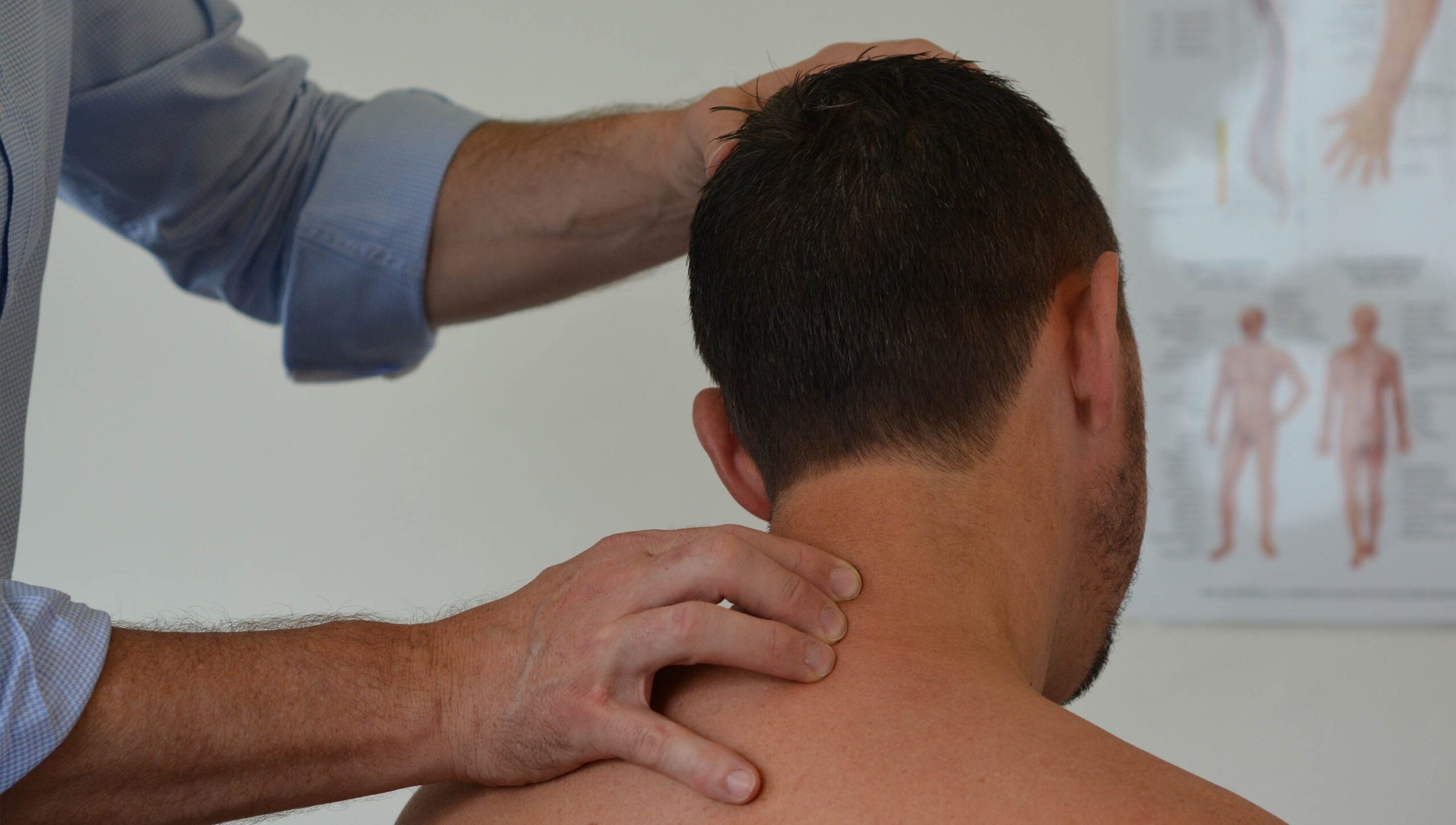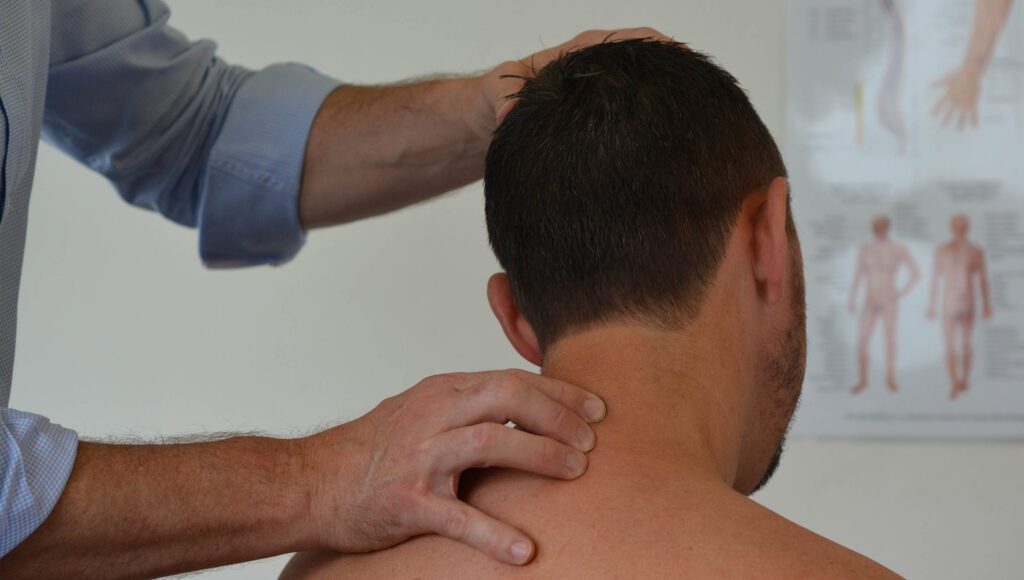

Glenoid labrum tear with chiropractic care

Glenoid labrum tear not just for athletes

You may think that only athletes get a glenoid labrum tear, but anyone can get this injury. You might hurt your shoulder if you fall. Lifting something heavy can also cause it. Doing the same movement again and again at work or home can hurt your shoulder too. Everyday things can sometimes put your shoulder in danger. Do not worry—knowing how these tears happen can help you keep your shoulder safe.

Key Takeaways

  • Glenoid labrum tears can happen to anyone. You do not have to be an athlete. Doing things like lifting heavy things can cause injury. Repeating the same motion many times can also hurt your shoulder.
  • It is important to know the signs of a labrum tear. You might feel pain in your shoulder. Your shoulder may catch or feel weak. Finding the problem early helps you get better faster.
  • You can stop shoulder injuries by lifting things the right way. Keep your posture straight and good. Warm up before you do any activity. Take breaks if you do the same thing over and over.
  • Most people get better from a labrum tear without surgery. Resting your shoulder helps. Physical therapy and easy exercises work well for treatment.
  • Always pay attention to how your shoulder feels. If you have pain or your shoulder feels loose, see a doctor. Getting help early is important for care.

What is a glenoid labrum tear?

What is a glenoid labrum tear?
Image Source: unsplash

Glenoid labrum function

Your shoulder works like a ball-and-socket joint. The glenoid labrum is a ring of tough, rubbery tissue that lines the edge of the shoulder socket. This tissue helps make the socket deeper, so the ball at the top of your arm bone fits better. In fact, the labrum increases the depth of the socket by about 50%. This extra depth helps keep your shoulder stable when you move your arm.

The labrum also acts as a cushion. It absorbs shocks and helps your shoulder move smoothly. Along with the ligaments and the pressure inside your joint, the labrum keeps the ball of your arm bone centered in the socket. This reduces the chance that your shoulder will slip out of place.

Tip: A healthy labrum is key for strong, steady shoulder movements. It lets you lift, reach, and carry things without pain.

What happens during a tear?

A glenoid labrum tear happens when this important tissue gets damaged. You might tear your labrum if you fall on your arm, lift something heavy, or repeat the same motion many times. When the labrum tears, the socket loses some of its depth and stability. Your shoulder may feel loose or weak. You might hear a popping sound or feel pain when you move your arm.

Some people notice their shoulder catches or locks during movement. Others feel like their shoulder could slip out of place. A glenoid labrum tear can make it hard to do daily tasks, not just sports. If you notice these signs, you should talk to a doctor. Early care can help you heal and protect your shoulder.

Glenoid labrum tear: causes

Traumatic injuries

A glenoid labrum tear can happen from a sudden accident. You might fall and land on your arm. This hard landing can hurt the tissue in your shoulder. Car accidents can also cause this injury. Sometimes, a hit to your shoulder can make a tear. This can happen if you bump into something or get hit hard. These things do not only happen in sports. You can hurt your shoulder at home, at work, or even outside.

  • Common traumatic causes include:
    • Falls onto an outstretched arm
    • Car accidents
    • Direct blows to the shoulder

Note: A fall or a bump can make your shoulder dislocate and tear the labrum.

Repetitive movements

You do not need a big accident to get a glenoid labrum tear. Doing the same movement many times can slowly hurt your shoulder. If you lift things over your head at work or home, your shoulder works hard each time. Painting, putting things on shelves, or gardening can also stress your labrum. Sports like tennis, baseball, or swimming use these motions too. Over time, the tissue can get weak and tear.

  • Examples of repetitive movements:
    • Lifting boxes or groceries
    • Reaching up to high shelves
    • Throwing a ball or swinging a racket
    • Doing yard work or cleaning windows

Degenerative changes

As you get older, your shoulder changes naturally. The labrum can get weaker and less stretchy. Using your shoulder every day, even without an accident, can make small tears. These tiny tears may not hurt at first. Later, you might feel pain, weakness, or a catching feeling in your shoulder. Getting older is a common reason for glenoid labrum tear in adults who do not play sports.

Tip: You can help your shoulder by staying active, lifting things the right way, and stopping if you feel pain.

Who is at risk?

You might think only athletes need to worry about shoulder injuries, but that is not true. Many people face the risk of a glenoid labrum tear. Your age, job, hobbies, and even past injuries can all play a part.

Athletes and overhead sports

If you play sports that use your arms a lot, your risk goes up. Baseball, tennis, and swimming all use overhead movements. These actions put extra stress on your shoulder. Throwing a ball or swinging a racket again and again can wear down the tissue in your shoulder. In fact, studies show that:

  • 69% of throwing athletes have a type of labrum tear called a SLAP lesion.
  • 71% of athletes who throw often have injuries to the top and back part of the labrum.
  • Tennis players and weightlifters also face a higher risk because their sports use strong, repeated shoulder movements.

Note: Overhead sports do not just cause muscle soreness. They can lead to real injuries inside your shoulder.

Young males (15-30)

Young males between 15 and 30 years old have a higher chance of getting this injury. You might play sports, lift weights, or do physical work. Your active lifestyle can put more strain on your shoulders. Even if you do not play sports, accidents and falls happen more often in this age group.

Older adults & manual laborers

As you get older, your shoulder tissue gets weaker. Everyday use, lifting, or even reaching can cause small tears over time. If you work with your hands or lift heavy things for your job, your risk increases. Manual laborers, such as construction workers or warehouse staff, use their shoulders for tough tasks every day. These repeated actions can slowly damage the labrum.

Group Why Risk is Higher
Older adults Tissue weakens with age
Manual laborers Heavy lifting and repeated shoulder use

Previous shoulder injuries

If you have hurt your shoulder before, you need to be extra careful. Old injuries can make your shoulder less stable. Scar tissue or past tears can weaken the labrum. You might notice pain or weakness sooner than others. Even a small fall or lift can cause another injury.

Tip: If you have had a shoulder injury, talk to your doctor about ways to protect your shoulder. Simple exercises and good habits can help you stay safe.

A glenoid labrum tear can happen to anyone. You do not need to be an athlete or a certain age. Knowing your risk helps you take steps to protect your shoulder.

Everyday causes

Everyday causes
Image Source: unsplash

Non-sports activities

You do not need to play sports to hurt your shoulder. Many daily tasks can put your shoulder at risk. You might reach up to grab something from a high shelf. You may carry groceries or move furniture at home. Even simple chores like washing windows or gardening can strain your shoulder. These actions use your arm in ways that can stress the tissue inside your shoulder joint.

  • Carrying heavy bags
  • Reaching for items above your head
  • Moving boxes or furniture
  • Cleaning or painting walls

Everyday movements can add up over time. You may not notice a problem right away, but small injuries can build up and lead to a glenoid labrum tear.

Accidental falls & lifting

Accidents happen when you least expect them. You might slip on a wet floor or trip over something at home. If you fall and land on your outstretched arm, your shoulder can take a hard hit. Lifting heavy objects, like a suitcase or a big box, can also put a lot of pressure on your shoulder. These actions can cause a tear, even if you do not feel pain right away.

The risk of injury from these everyday events is real. The table below shows how common causes can lead to shoulder problems:

Cause of SLAP Tears Risk Level
Falling on an outstretched arm Significant
Lifting heavy objects Significant
Repetitive overhead actions Moderate to High
Participation in overhead/contact sports Increased Risk

You can protect your shoulder by using safe lifting techniques and paying attention to your surroundings. If you feel pain or weakness after a fall or while lifting, you should talk to a doctor. Early care can help you heal faster and prevent more damage.

Recognizing risk & prevention

Signs and symptoms

You can spot a glenoid labrum tear by paying attention to how your shoulder feels during daily activities. Many people notice pain at the top of the shoulder joint. This pain often gets worse when you reach overhead or try to throw something. You might also feel a catching sensation, like your shoulder is sticking or locking when you move it. Some people hear a popping sound or feel their shoulder shift out of place.

Common signs and symptoms include:

  • Pain at the top of the shoulder joint
  • Catching sensation when moving the arm
  • Pain during activities such as throwing
  • Weakness or a feeling that the shoulder could slip
  • Popping or clicking sounds

Tip: If you notice these symptoms, especially after a fall or heavy lifting, you should rest your shoulder and talk to a doctor. Early care can help you heal faster.

Prevention tips

You can lower your risk of a glenoid labrum tear by taking care of your shoulders every day. Start by using good posture when you sit, stand, or lift. Keep your shoulders back and avoid slouching. Warm up before you do any heavy lifting or sports. Stretch your arms and shoulders to get your muscles ready.

Try these simple tips to protect your shoulder:

  1. Use both hands to lift heavy objects. Keep the load close to your body.
  2. Avoid sudden, jerky movements when reaching or lifting.
  3. Take breaks if you do tasks that use your arms a lot, like painting or gardening.
  4. Strengthen your shoulder muscles with gentle exercises. Strong muscles help support the joint.
  5. Listen to your body. Stop if you feel pain or weakness.
Prevention Tip Why It Helps
Warm up and stretch Prepares muscles and joints
Use proper lifting technique Reduces strain on the shoulder
Strengthen shoulder muscles Improves joint stability

Remember: You can keep your shoulders healthy by staying active, using safe habits, and getting help early if you notice pain.

You do not have to play sports to get a glenoid labrum tear. Simple daily actions, falling, or getting older can raise your risk. Anyone, no matter their age or job, can have this injury. These tears may cause pain and weakness. They can make everyday life more difficult:

Symptom Impact on Quality of Life
Deep, dull ache inside the shoulder Brings steady pain that makes daily tasks harder
Clicking, locking, or catching sensation Causes discomfort and may make you avoid activities
Instability or weakness Limits how well your shoulder works and affects sports

“Many people think all patients need surgery. That is not true. Surgery is almost never the first choice. We start with physical therapy and other nonsurgical treatments. These options work very well for most people.”
“If someone says your labral tear needs surgery or lots of rest, you might feel stuck. But surgery is not your only choice.”

Watch out for pain or weakness in your shoulder. You can keep your shoulder safe with smart habits and early care. Most people get better without needing surgery. Take care of your shoulder health now!

FAQ

What does a glenoid labrum tear feel like?

You may feel pain at the top of your shoulder. You might notice clicking, popping, or a catching feeling when you move your arm. Sometimes, your shoulder feels weak or unstable.

Can you heal a labrum tear without surgery?

Most people do not need surgery. You can often heal with rest, physical therapy, and simple exercises. Your doctor may suggest medicine for pain. Surgery is only for severe cases.

How long does it take to recover from a labrum tear?

Recovery time depends on the injury. You may feel better in a few weeks with rest and therapy. Some people need several months to regain full strength. Healing takes patience.

Can you prevent a glenoid labrum tear?

You can lower your risk by using good lifting techniques, warming up before activity, and strengthening your shoulder muscles. Listen to your body. Stop if you feel pain or weakness.

Should you see a doctor if your shoulder hurts?

Yes! If you feel pain, weakness, or hear popping in your shoulder, see a doctor. Early care helps you heal faster and prevents more damage.

Comparing Chiropractic and Physiotherapy Approaches for Shoulder Pain Relief

Comparing Chiropractic and Physiotherapy Approaches for Shoulder Pain Relief

Many people with shoulder discomfort ask whether shoulder pain chiropractic or physiotherapy offers better pain relief. Each person experiences shoulder pain differently. The cause, severity, and daily activities influence the most effective approach. Careful evaluation of both options helps individuals choose a treatment that suits their unique needs.

Key Takeaways

  • Shoulder pain has many causes like frozen shoulder and stiff shoulder, and proper diagnosis helps choose the right treatment.
  • Chiropractic care focuses on realigning joints and spine to reduce pain and improve movement through adjustments and soft tissue therapies.
  • Physiotherapy uses exercises and manual therapy to strengthen muscles, improve joint stability, and restore shoulder function.
  • Combining chiropractic care and physiotherapy often leads to better pain relief and faster recovery than using one method alone.
  • Choosing a qualified practitioner and starting treatment early increases the chance of effective, long-lasting shoulder pain relief.

Understanding Shoulder Pain Chiropractic and Physical Therapy Options

Common Causes of Shoulder Pain

Shoulder pain affects people of all ages and backgrounds. The most common causes include rotator cuff problems (bursitis, tendinitis or tears), arthritis, frozen shoulder, injuries(dislocation, fractures, sprains and strains) and referred pain(from neck, heart and lung conditions). These conditions often lead to reduced movement and discomfort.

Rotator cuff-related pain also appears frequently. Clinical diagnosis relies on patient history and physical examination, as imaging alone cannot always identify the source. Modern lifestyles contribute to pain in the back, neck, and shoulders, especially among young people who use computers and mobile devices for long periods. Poor posture and psychological factors, such as depression, can increase the risk. Maintaining musculoskeletal health through regular movement and good posture helps reduce these risks.

When to Seek Professional Help

People should seek professional help if shoulder pain persists, worsens, or limits daily activities. Clinical guidelines recommend exercise therapy as a primary treatment, especially for rotator cuff and scapular stabiliser issues. Physiotherapists often prescribe personalised exercises, including strength training, stretching, and postural adjustments. These interventions aim to restore function and reduce pain.

A pain level above 20 out of 100 on a standard pain scale often signals the need for professional assessment. This threshold varies, so individual evaluation remains important. Early intervention can prevent further complications and support faster recovery. Physiotherapists and chiropractors work together to provide tailored care, combining different therapies when necessary for optimal results.

Chiropractic Care for Shoulder Pain Relief

Chiropractic Care for Shoulder Pain Relief
Image Source: pexels

How Chiropractic Care Addresses Shoulder Pain

Chiropractors approach shoulder pain chiropractic by focusing on the musculoskeletal system. They believe that misalignments in the spine or shoulder joint can cause pain, stiffness, and reduced movement. Chiropractors use spinal adjustments to realign the spine, which can relieve nerve pressure and improve function in the shoulder muscles. Improved blood flow follows these adjustments, delivering oxygen and nutrients to the affected tissues. This process reduces inflammation and supports faster healing. Many patients report less pain and greater satisfaction after seeing a chiropractor for shoulder pain chiropractic. A 2015 study found that patients who visited chiropractors experienced more pain relief and saved money compared to those who saw medical doctors.

Typical Chiropractic Techniques for Shoulders

Chiropractors use a variety of techniques to treat shoulder pain chiropractic. These include:

  • Spinal adjustments to restore alignment and reduce strain on the shoulder.
  • Extremity adjustments that target the shoulder joint, correcting misalignment and instability.
  • Myofascial release and deep tissue massage to relax tight muscles and improve movement.
  • Active Release Therapy (ART) to break down adhesions in muscles and nerves.
  • Postural corrections and ergonomic advice to prevent future pain.
  • Rehabilitative exercises to strengthen the shoulder and increase mobility.
  • Cold laser therapy and electrical stimulation to reduce inflammation and promote healing.
Technique Description
Spinal Adjustments Gentle thrusts to neck and upper back vertebrae to restore alignment and reduce shoulder pain.
Extremity Adjustments Focused adjustments on the shoulder joint to correct misalignment and instability.
Myofascial Release Soft tissue therapy to release tension and improve movement.
Active Release Therapy Breaks down adhesions in muscles and nerves to restore function.
Deep Tissue Massage Firm strokes to improve circulation in shoulder muscles.
Postural Corrections Education on posture and ergonomics to prevent chronic pain.
Rehabilitative Exercises Strengthening and mobility exercises for shoulder support.
Cold Laser Therapy Low-intensity light therapy to reduce inflammation and promote healing.
Electrical Stimulation Electrical currents to stimulate muscles and alleviate pain.

Benefits of Shoulder Pain Chiropractic

Shoulder pain chiropractic offers several benefits. Chiropractors reduce pain by correcting misalignments and decreasing inflammation. They improve shoulder function, allowing freer movement without restriction. Chiropractic care increases range of motion and calms muscle tension. Improved blood flow helps tissues heal faster. Chiropractors also address the root causes of pain, which can prevent future injuries. Many patients with rotator cuff injuries, frozen shoulder, or impingement syndrome find relief through chiropractic benefits. The holistic approach of chiropractors supports long-term recovery and better quality of life.

Limitations and Considerations

Chiropractic care offers relief for many musculoskeletal problems, but its effectiveness for shoulder pain remains less certain. Researchers have found moderate support for chiropractic treatment in conditions like low back and neck pain. However, when it comes to shoulder pain, the evidence is less robust. Some experts remain sceptical because studies often involve small groups and produce mixed results. Safety concerns also arise, especially with spinal manipulation near the neck.

Note: Chiropractors often work alongside other healthcare professionals. This collaboration helps ensure that patients receive safe and effective care tailored to their needs.

Several studies have explored conservative treatments for different shoulder conditions. The table below summarises key findings and limitations:

Shoulder Condition Conservative Treatments Explored Key Findings and Limitations
Noncalcific Rotator Cuff Disorders Manual therapy, exercise, acupuncture, dietary advice Manual therapy and exercise help; combined approaches show promise; evidence limited by small studies.
Rotator Cuff Calcific Tendinitis Extracorporeal shockwave therapy (ESWT) ESWT improves function and reduces pain; minor side effects resolve quickly.
Adhesive Capsulitis (Frozen Shoulder) Low-level laser therapy, mobilisation, exercise, manipulation Laser therapy and mobilisation reduce pain; benefits are short to medium term; range of motion may not improve.
Non-specific Shoulder Pain Thoracic manual therapy, spinal manipulation, massage Manual therapy speeds recovery and reduces pain; benefits can last up to a year; more research needed.
General Limitations Study size, conflicting results, treatment parameters Many studies are small or inconclusive; more research needed on treatment frequency and duration.

Patients should consider these limitations before choosing chiropractic care for shoulder pain. Not every patient will respond the same way. Some may need additional therapies or referrals to other specialists. Ongoing research continues to define the role of chiropractic care in shoulder pain management. Until stronger evidence emerges, patients and practitioners should approach treatment with caution and remain open to combining therapies for the best results.

Physiotherapy for Shoulder Pain

Physiotherapy for Shoulder Pain
Image Source: pexels

How Physiotherapy Works for Shoulder Pain

Physiotherapy helps people with shoulder pain by restoring stability and improving movement. Physical therapists assess muscle strength, joint mobility, and posture. They design exercise therapy programmes that target weak muscles and correct imbalances. Strong ligaments and tendons support the shoulder joint, while muscles such as the rotator cuff and deltoid provide dynamic stability. When these structures weaken, pain and limited function often follow. Physical therapists use their expertise to identify these issues and create tailored physiotherapy treatment plans. Research shows that physiotherapy addresses biomechanical imbalances, improves joint stability, and modulates pain mechanisms. This approach helps patients regain function and reduce discomfort.

Common Physical Therapy Treatments for Shoulders

Physical therapy for shoulder pain includes a range of evidence-based interventions. Physical therapists often use:

  • Therapeutic exercise to strengthen muscles and improve flexibility.
  • Manual therapy techniques, such as joint mobilisation and soft tissue massage.
  • Low-intensity laser therapy to reduce inflammation.
  • Taping methods to support the shoulder and decrease pain.
  • Education on posture and movement to prevent further injury.
Outcome/Aspect Statistically Significant Findings Notes/Implications
Effectiveness of Exercise-based Physiotherapy Exercise shows some effectiveness but differences between modalities are marginal or diminish over time Exercise is somewhat effective but not clearly superior long-term
Comparison to Surgery Surgery has comparable long-term effects to physiotherapy Suggests natural course or other factors influence outcomes more than intervention type
Psychological Predictors Higher patient expectations and lower fear avoidance beliefs predict better outcomes Psychological factors are as important as clinical baseline factors
Clinical Baseline Predictors Lower baseline pain intensity and disability predict improved outcomes Consistent negative predictors for poor recovery

Physical therapists adjust treatments based on each patient’s needs. They monitor progress and adapt physiotherapy treatment plans to maximise recovery.

Benefits of Physiotherapy

Physiotherapy offers many benefits for people with shoulder pain. Early physical therapy after injury or surgery restores range of motion and improves quality of life. Pain and inflammation decrease with education and guided therapy sessions. Evidence-based rehabilitation protocols help physical therapists create individualised plans, reducing the risk of re-injury. Controlled motion and strength-building phases reform movement patterns and support tendon healing. Physical therapists consider each patient’s unique needs, which leads to better outcomes and a faster return to daily activities.

Tip: Physiotherapy exercises not only relieve pain but also prevent future injuries by promoting proper biomechanics and strengthening the shoulder.

Limitations and Considerations

Physiotherapy offers many benefits for shoulder pain, but it also has important limitations. Not every patient responds the same way to treatment. The complexity of shoulder conditions, such as frozen shoulder, means that one approach does not fit all. Some patients experience pain in the early stages, while others develop stiffness later. Each stage needs a different physiotherapy strategy. If a therapist uses the wrong method at the wrong time, symptoms may worsen instead of improve.

Research from Tufts University highlights the need for careful planning in physiotherapy. Therapists must assess the stage of the condition before choosing a treatment. For example, gentle movement and pain relief work best in the early phase. Later, stretching and strengthening become more important. Athletes face extra challenges. Some risk factors, like previous injuries, cannot change. Others, such as muscle strength and training load, can improve with the right exercises. Physiotherapists must tailor their plans to each athlete’s sport and position.

Note: A one-size-fits-all approach does not work for shoulder pain. Individualised care leads to better results and fewer setbacks.

Patients should also consider that progress may be slow. Some people need weeks or months to regain full movement. Physiotherapy requires commitment to regular sessions and home exercises. In some cases, pain may return if patients stop their exercises too soon. Therapists must educate patients about the importance of ongoing self-care.

Chiropractic Care vs Physiotherapy: Effectiveness and Safety

Treatment Methods Compared

Chiropractors and physiotherapists use different methods to help people with shoulder pain. A chiropractor often focuses on spinal adjustments and joint manipulation. These adjustments aim to restore alignment and reduce pressure on nerves. Chiropractors also use soft tissue techniques, such as massage and myofascial release, to relax tight muscles. They may suggest exercises to improve strength and mobility.

Physiotherapists take a broader approach. A physical therapist assesses muscle strength, joint movement, and posture. They design exercise programmes to target weak muscles and correct imbalances. Manual therapy, such as joint mobilisation and stretching, forms a key part of their treatment. Physical therapists also use taping, laser therapy, and education to support recovery.

Both chiropractors and physiotherapists teach patients about posture and movement. They encourage regular exercise and self-care. The table below highlights the main differences in their treatment methods:

Practitioner Main Techniques Used Focus Area
Chiropractor Spinal adjustments, joint manipulation, soft tissue work, exercise prescription Alignment, nerve function, pain relief
Physical Therapist Exercise therapy, manual therapy, taping, education, laser therapy Muscle strength, joint mobility, injury prevention

Note: Chiropractors and physiotherapists often work together to create a comprehensive plan for shoulder pain relief.

Effectiveness for Different Types of Shoulder Pain

Chiropractors and physiotherapists both help people with many types of shoulder pain. Research shows that manual therapy, exercise therapy, and extracorporeal shockwave therapy work well for conditions like rotator cuff injuries and frozen shoulder. A chiropractor uses targeted adjustments and soft tissue therapy to address the root causes of pain. This approach can help people with impingement syndrome, rotator cuff problems, and adhesive capsulitis.

A physical therapist uses exercise and manual therapy to restore movement and strength. Physiotherapists often help people recover from surgery or sports injuries. They design programmes that match the stage of healing. For example, gentle movement helps in the early phase of frozen shoulder, while stretching and strengthening work better later.

Systematic reviews and clinical trials support both approaches. Some new treatments, such as prolotherapy and platelet-rich plasma, show promise but need more research. Psychological factors, such as patient expectations and fear, also affect recovery. Chiropractors and physiotherapists consider these factors when planning treatment.

Tip: People with complex or long-lasting pain may benefit from a combination of chiropractic care and physical therapy.

Safety and Risks

Chiropractors and physiotherapists aim to provide safe care for shoulder pain. Most treatments have a low risk of serious side effects. A chiropractor uses controlled force during adjustments. Some people may feel mild soreness after a session, but this usually fades quickly. Rarely, joint manipulation can cause more serious problems, especially if performed incorrectly.

A physical therapist uses gentle techniques and closely monitors progress. Manual therapy and exercise rarely cause harm when done properly. Some people may feel discomfort during stretching or strengthening, but this should not last long. Physiotherapists adjust the plan if pain increases.

Chiropractors and physiotherapists both receive training to spot warning signs. They refer patients to doctors if they see signs of infection, fracture, or other serious problems. People should always choose qualified practitioners to reduce risks.

Always tell your chiropractor or physical therapist about any new symptoms or changes in your condition.

Factors to Consider: Type of Injury, Preferences, and Medical History

Choosing between chiropractic care and physiotherapy depends on several important factors. Each person’s injury and health background shapes the best approach. Key considerations include:

  • Type of injury: Some shoulder pain comes from neurological problems, such as hypotonia with subluxation, spasticity, or frozen shoulder. Other cases involve sub-acromial pain syndrome or previous trauma.
  • Medical history: Conditions like type 2 diabetes, previous shoulder injuries, or sensory impairment can affect treatment choice. A full history and examination help identify pain onset, severity, and any past treatments.
  • Pain characteristics: The location, quality, and pattern of pain (sharp, dull, electric shock) guide diagnosis. Neurological symptoms, such as numbness or tingling, may suggest a different approach.
  • Psychological factors: Anxiety or mood changes can influence pain perception and recovery.
  • Activity and occupation: Repetitive or overhead tasks at work or during sport may require a specific treatment plan.
  • Red flags: Pain without injury or symptoms linked to heart or lung problems need urgent medical attention.

A thorough assessment ensures the most effective and safe treatment, whether that is chiropractic care, physiotherapy, or a tailored rehab program.

Combining Chiropractic Care and Physiotherapy

Some patients benefit from a combination of chiropractic care and physiotherapy. Research shows that combining ergonomic changes, manual therapy, and exercise leads to better results than using one method alone. The table below compares outcomes for different treatment groups:

Outcome Measure Combined Treatment vs Control Physiotherapy Only vs Control Ergonomics Only vs Control
Pain Intensity 4.6 3.8 3.3
Disability 18.0 10.83 9.18
Flexion Rotation – Right -15.0 -8.4 -5.90
Flexion Rotation – Left -15.4 -8.52 -5.92
Work Ability -24.2 -5.64 -3.36

The combined group showed the greatest improvements in pain, movement, and work ability. Ergonomic advice, such as adjusting desk height and posture, also played a key role in symptom relief.

When to Choose One Approach Over the Other

Some situations call for a single approach. Chiropractic care may suit those with joint misalignment or muscle tension. Physiotherapy often helps people who need to rebuild strength, improve movement, or recover after surgery. People with complex medical histories or neurological symptoms may need a more cautious plan. A healthcare professional can recommend the best path after a detailed assessment.

Tip: Early intervention and a personalised plan increase the chance of a full recovery.

Choosing a Qualified Practitioner for Shoulder Pain Relief

What to Look for in a Chiropractor

Selecting the right chiropractor for shoulder pain relief requires careful consideration. Patients should look for several key attributes:

  1. A chiropractor should hold specialised education and certifications from accredited chiropractic medicine schools. This ensures a strong foundation in musculoskeletal health and meets insurance requirements.
  2. Experience with sports injuries, neck pain, and soft tissue strains allows a chiropractor to tailor treatment plans for each patient.
  3. Treatment should include both manual adjustments and instrument-assisted methods. Clinical reviews support these techniques for safety and effectiveness.
  4. Complementary therapies, such as soft tissue mobilisation, rehabilitative exercises, and cold or heat therapy, help improve mobility and reduce discomfort.
  5. Strong communication skills are essential. A chiropractor must explain treatment plans clearly and manage patient expectations.
  6. Reputation matters. Recommendations from trainers, athletes, and patient reviews, along with professional affiliations, indicate quality.
  7. Personalised treatment plans that involve insights from primary care providers support long-term musculoskeletal health.

A recent study of chiropractors in health centres found that many have advanced training and focus on patient care. They often provide joint manipulation and soft tissue therapies for chronic pain. Communication, collaboration, and ongoing professional development stand out as vital qualities.

What to Look for in a Physiotherapist

When searching for a physiotherapist, patients should consider several important criteria:

  • The physiotherapist should avoid recommending complete rest or restricting shoulder movement for rotator cuff-related pain.
  • Passive therapies alone should not form the basis of treatment for rotator cuff or subacromial pain.
  • Imaging tests, such as MRI, should only be used when serious conditions are suspected.
  • Cupping therapy is not recommended for rotator cuff-related shoulder pain.
  • Ongoing manual therapy should not be provided for adhesive capsulitis.

Most physiotherapists follow evidence-based guidelines and show confidence in diagnosing shoulder disorders. They use physical examination, advice, education on exercise, manual therapy, and activity modification. Electrotherapy is often used for rotator cuff tendinopathy. Patients benefit from therapists who adapt their approach to individual needs and avoid unnecessary interventions.

Tip: When considering how to choose the right therapist, patients should look for practitioners who prioritise active rehabilitation and clear communication.

Acme Chiropractic Clinic in Castle Hill: Your Local Option

Acme Chiropractic Clinic in Castle Hill offers a team of experienced practitioners dedicated to shoulder pain relief. The clinic provides both chiropractic and massage services, ensuring a comprehensive approach. Each chiropractor at Acme holds recognised qualifications and stays updated with the latest evidence-based techniques. The clinic values clear communication, personalised care, and collaboration with other healthcare providers. Patients receive tailored treatment plans that address the root cause of pain and support long-term recovery. Local residents can trust Acme Chiropractic Clinic for professional, patient-centred care.

nChiropractic care and physiotherapy both offer valuable options for shoulder pain relief. Each approach provides unique benefits, from improving joint alignment to restoring muscle strength. The best treatment depends on the individual’s condition and goals.

Qualified professionals, such as those at Acme Chiropractic Clinic in Castle Hill, help patients make informed choices for effective, long-term relief.

FAQ

What is the main difference between chiropractic care and physiotherapy for shoulder pain?

Chiropractic care focuses on spinal and joint alignment. Physiotherapy targets muscle strength and movement. Both aim to reduce pain and improve function. The best choice depends on the cause of the shoulder pain.

Can chiropractic and physiotherapy treatments be combined?

Yes, many patients benefit from a combined approach. Chiropractors and physiotherapists often work together. This teamwork can speed up recovery and improve long-term results.

How long does it take to see improvement with treatment?

Most people notice some relief within a few weeks. Recovery time depends on the severity of the injury and the chosen treatment. Consistent attendance and home exercises help speed up progress.

Are these treatments safe for everyone?

Both chiropractic and physiotherapy treatments are generally safe. Qualified practitioners assess each patient before starting. They avoid risky techniques for people with certain health conditions.

When should someone seek professional help for shoulder pain?

Seek help if pain lasts more than a few days, gets worse, or limits daily activities. Early assessment prevents further injury and supports faster healing.

Tip: Early intervention often leads to better outcomes and less time off from work or sport.

shoulder bursitis with chiropractor near me

Shoulder Bursitis: Causes, Complications, and Evolving Treatment Approaches

Understanding Shoulder Bursitis

Shoulder bursitis is an inflammatory condition affecting the bursa, small fluid-filled sacs that cushion and reduce friction between bones, tendons, and muscles in the shoulder. The subacromial bursa, situated beneath the top of the shoulder blade (acromion), is most commonly involved.

This condition can cause significant discomfort, often presenting with pain, tenderness, swelling, and restricted shoulder movement. If untreated, it may lead to compensatory changes in nearby joints or chronic conditions that are more difficult to manage.

Causes

Shoulder bursitis is usually caused by:

  1. Repetitive Movements: Overhead activities, such as painting or throwing, can irritate the bursa.
  2. Trauma or Injury: A direct blow or fall on the shoulder can cause inflammation.
  3. Chronic Conditions: Conditions like rheumatoid arthritis, gout, or diabetes may predispose individuals to bursitis.
  4. Poor Posture: Misalignment of the shoulder joint can increase pressure on the bursa.
  5. Rotator Cuff Dysfunction: Weakness or imbalance in the rotator cuff muscles can lead to improper joint mechanics, irritating the bursa.

Recent Insights into Shoulder Bursitis

1. Chronic Fibro-Adhesive Bursitis

Recent research has identified a subtype called fibro-adhesive bursitis. This condition, often linked to adhesive capsulitis (frozen shoulder), involves the formation of fibrous tissue within the bursa, which limits mobility and increases pain. Advanced imaging techniques like ultrasound are critical for its diagnosis, allowing for precise and targeted treatment.

2. Innovations in Physical Therapy

Physical therapy remains a cornerstone of shoulder bursitis management, emphasizing not only rehabilitation but also patient education. Adherence to prescribed exercise regimens is vital to prevent symptom recurrence. However, studies have highlighted a gap in patient satisfaction when therapy results are delayed or when negative past experiences diminish confidence. Individualized plans and clear communication are essential for improving outcomes.

3. Combining Treatment Approaches

Combining conservative treatments, such as corticosteroid injections, with structured physical therapy has shown greater efficacy in alleviating chronic bursitis symptoms compared to single modalities. This multi-faceted approach can improve both pain relief and shoulder function, particularly in complex or persistent cases.


Shoulder Bursitis and Nerve Impingement

While shoulder bursitis and nerve impingement are distinct conditions, they often intersect due to the close proximity of structures in the shoulder.

  • Swelling and Nerve Compression: Inflammation of the subacromial bursa can narrow the joint space, compressing nearby nerves like the suprascapular or axillary nerves. This may result in radiating pain, tingling, or weakness in the arm.
  • Coexisting Rotator Cuff Issues: Bursitis often co-occurs with rotator cuff injuries, further increasing the risk of nerve impingement.
  • Differentiating Symptoms: Bursitis and nerve impingement can present with overlapping symptoms, making precise diagnosis through imaging and clinical examination crucial.

Effective treatment that targets inflammation and improves joint mechanics can alleviate both bursitis and associated nerve symptoms.


Untreated Shoulder Bursitis: Impact on Surrounding Joints

When left untreated, shoulder bursitis may lead to compensatory changes in the cervical spine, elbow, and other parts of the upper kinetic chain.

1. Cervical Spine (Neck)

  • Increased Strain: Limited shoulder mobility can overburden the neck muscles, causing strain and discomfort.
  • Postural Imbalances: Chronic shoulder pain may lead to rounded shoulders or forward head posture, placing excessive stress on the cervical spine.
  • Secondary Conditions: Over time, these compensatory mechanisms may result in cervicogenic headaches or persistent muscle tension in the neck and upper back.

2. Elbow

  • Altered Mechanics: To avoid shoulder pain, individuals may rely on their elbow for movements, increasing strain on the joint.
  • Overuse Injuries: Conditions like tennis elbow or golfer’s elbow may develop due to repetitive compensatory use of the elbow.

3. Kinetic Chain Disruptions

The shoulder is part of a dynamic kinetic chain involving the neck, thoracic spine, and upper limbs. Dysfunction in the shoulder can create ripple effects throughout the chain, resulting in stiffness, abnormal movement patterns, and chronic discomfort.


Comprehensive Treatment Options for Shoulder Bursitis

Conservative Management

  • Rest and Activity Modification: Reducing repetitive movements to avoid further irritation.
  • Ice and Anti-inflammatory Medications: Effective for managing acute inflammation.
  • Physical Therapy: Focused on improving shoulder mechanics, restoring mobility, and strengthening muscles.

Chiropractic Care

Chiropractors address musculoskeletal imbalances that contribute to bursitis. Techniques may include joint adjustments, soft tissue therapies, and posture correction exercises to improve alignment and shoulder mechanics.

Advanced Medical Interventions

  • Corticosteroid Injections: Often combined with physical therapy for lasting symptom relief.
  • Aspiration: Draining excess fluid from the bursa to reduce swelling.
  • Surgery: Rarely required but may involve removing the bursa in severe or chronic cases.

Preventing Shoulder Bursitis and Its Complications

  1. Avoid repetitive overhead activities or take frequent breaks.
  2. Strengthen the rotator cuff and shoulder muscles with regular exercise.
  3. Address poor posture to minimize strain on the shoulder joint.
  4. Seek early treatment for shoulder pain to prevent chronic issues and compensatory injuries.

Conclusion

Shoulder bursitis, while common, is a manageable condition when diagnosed and treated early. Recent advancements in imaging and therapy highlight the importance of precise diagnosis and individualized treatment plans. By combining conservative care with patient-centered communication and addressing compensatory mechanisms, individuals can recover effectively and maintain optimal joint function.

Find the Best Chiropractor Near Me for Effective and Affordable Care

Introduction: When it comes to your health, finding the best chiropractor near you is crucial. Chiropractic care offers effective and natural solutions for various health concerns, including back pain, neck pain, headaches, and more. At Kings Park Chiropractic, we take pride in providing exceptional chiropractic care that is both effective and affordable. Led by Dr. Brian Sin, our experienced and knowledgeable chiropractor, we offer personalized treatment plans to help you achieve optimal results.

The Importance of Choosing the Right Chiropractor

The Importance of Choosing the Right Chiropractor: Selecting the right chiropractor is essential for receiving high-quality care that meets your specific needs. A skilled chiropractor understands the intricacies of the musculoskeletal system and can address underlying issues to provide effective pain relief and promote overall wellness.

What Makes Kings Park Chiropractic Stand Out?

What Makes Kings Park Chiropractic Stand Out? At Kings Park Chiropractic, we distinguish ourselves through our commitment to patient satisfaction, comprehensive range of chiropractic services, and affordable pricing without compromising on quality. Here’s what sets us apart:

Experienced and Knowledgeable Chiropractor – Dr. Brian Sin

Experienced and Knowledgeable Chiropractor – Dr. Brian Sin: Dr. Brian Sin is a highly trained and experienced chiropractor with a deep understanding of spinal health and its impact on overall well-being. With his expertise, you can trust that you are in capable hands for your chiropractic care.

Comprehensive Range of Chiropractic Services

Comprehensive Range of Chiropractic Services: We offer a wide range of chiropractic services tailored to address various conditions and promote overall wellness. From spinal adjustments and therapeutic exercises to soft tissue therapy and lifestyle recommendations, we provide comprehensive care to support your health journey.

Personalized Treatment Plans for Optimal Results

Personalized Treatment Plans for Optimal Results: At Kings Park Chiropractic, we believe in personalized care. Dr. Brian Sin will conduct a thorough evaluation of your condition, taking into account your medical history and individual needs. Based on this assessment, he will develop a customized treatment plan to target the root cause of your discomfort and facilitate optimal results.

Affordable Chiropractic Care Without Compromising Quality

Affordable Chiropractic Care Without Compromising Quality: We understand that cost is a significant factor in healthcare decisions. That’s why we strive to provide affordable chiropractic care without compromising on quality. Our goal is to make chiropractic care accessible to everyone in need, ensuring that you receive the care you deserve.

Conveniently Located Chiropractic Clinic Near You

Conveniently Located Chiropractic Clinic Near You: Convenience plays a crucial role in maintaining regular chiropractic visits. Our clinic is conveniently located in the heart of Western Sydney, making it easily accessible to residents in the area. We aim to make your visits as convenient and stress-free as possible.

Why Our Patients Choose Kings Park Chiropractic

Why Our Patients Choose Kings Park Chiropractic: Our patients consistently choose Kings Park Chiropractic for their chiropractic needs. Here’s why:

Testimonials from Satisfied Patients

Testimonials from Satisfied Patients: Don’t just take our word for it hear what our patients have to say. They have experienced the positive impact of our chiropractic care firsthand, sharing their success stories and the improvements they’ve achieved in their quality of life. Their testimonials speak volumes about the exceptional care and results they’ve received at Kings Park Chiropractic.

Commitment to Patient Satisfaction and Well-being

Commitment to Patient Satisfaction and Well-being: We prioritize the satisfaction and well-being of our patients above all else. Our friendly and dedicated team is here to support you throughout your chiropractic journey. We listen attentively to your concerns, answer your questions, and ensure that you feel comfortable and cared for every step of the way.

Your Journey to Better Health Starts Here

Your Journey to Better Health Starts Here: Are you ready to say goodbye to pain and discomfort? Your journey to better health begins with Kings Park Chiropractic. We are passionate about helping you achieve optimal well-being, free from the constraints of pain and restricted movement. Experience the transformative power of chiropractic care and start living your best, pain-free life.

Contact Kings Park Chiropractic Today

Contact Kings Park Chiropractic Today: Take the first step towards effective and affordable chiropractic care by contacting Kings Park Chiropractic today. Schedule an appointment with Dr. Brian Sin, our experienced chiropractor, and discover the benefits of personalized treatment plans designed to address your unique needs. We look forward to welcoming you to our clinic and guiding you on your path to wellness.

Conclusion: When it comes to finding the best chiropractor near you for effective and affordable care, Kings Park Chiropractic stands out. Led by Dr. Brian Sin, our experienced chiropractor, we offer personalized treatment plans, a comprehensive range of chiropractic services, and a commitment to patient satisfaction and well-being. Contact us today and begin your journey towards improved health and well-being through chiropractic care.


5 Self-Care Tips to Support Your Chiropractic Care Journey At Kings Park Chiropractic

Chiropractic care is a holistic approach to healing that focuses on restoring balance and alignment to the body’s musculoskeletal system. While chiropractic adjustments are a key component of this approach, they are not the only factor to consider. To achieve optimal health and wellness, it’s important to prioritize self-care. Self-care involves taking intentional steps to care for your physical, mental, and emotional health. In this article, we’ll explore 5 self-care tips that can help you support your chiropractic care journey and achieve optimal wellness.

Incorporate Exercise into Your Daily Routine

Exercise is a crucial component of maintaining a healthy lifestyle and supporting chiropractic care. Regular exercise can help to strengthen muscles, improve flexibility, and reduce inflammation, which can all contribute to improved spinal health. It’s recommended that adults engage in at least 150 minutes of moderate-intensity aerobic exercise or 75 minutes of vigorous-intensity aerobic exercise per week, in addition to muscle-strengthening activities at least 2 days per week.

Some examples of moderate-intensity aerobic exercise include brisk walking, cycling, swimming, or gardening. Vigorous-intensity aerobic exercise includes activities such as running, hiking, or playing sports. It’s important to choose activities that you enjoy and that fit into your daily routine to ensure consistency.

Eat a Balanced, Nutrient-Rich Diet

Eating a balanced, nutrient-rich diet is another crucial aspect of self-care. Your body needs a variety of vitamins, minerals, and nutrients to function properly and support your overall health. Focus on incorporating a variety of fruits, vegetables, whole grains, lean proteins, and healthy fats into your meals.

In addition to providing the necessary nutrients, a healthy diet can also help to reduce inflammation in the body, which can contribute to chronic pain and negatively impact spinal health. Some key nutrients to focus on include calcium, vitamin D, and omega-3 fatty acids, which are all important for bone and joint health.

Prioritize Sleep and Rest

Getting enough sleep and rest is crucial for your overall health and well-being. Lack of sleep can contribute to chronic pain, inflammation, and stress, which can all negatively impact your spinal health. Aim to get at least 7-8 hours of sleep each night and prioritize rest and relaxation throughout your day.

In addition to getting enough sleep, it’s important to prioritize rest and relaxation throughout your day. This can include taking breaks throughout the day to stretch or meditate, or simply taking a few moments to focus on your breath and clear your mind.

Practice Mindfulness and Stress Reduction Techniques

Stress can negatively impact your physical, mental, and emotional health. In order to support your chiropractic care journey, it’s important to practice mindfulness and stress reduction techniques. This can include meditation, deep breathing exercises, yoga, or simply taking a few moments each day to focus on your breath and clear your mind.

In addition to these techniques, it’s important to identify and address sources of stress in your life. This may involve setting boundaries, practicing time management, or seeking support from friends, family, or a mental health professional.

Schedule Regular Chiropractic Appointments

Scheduling regular chiropractic appointments is a critical aspect of self-care for those seeking to improve their spinal health. Chiropractors are trained professionals who specialize in the musculoskeletal system, and can help to identify and address any imbalances or misalignments in your body that may be contributing to pain or discomfort.

During a chiropractic appointment, your chiropractor will perform a physical exam, assess your spinal health, and use manual manipulation techniques to restore alignment and improve function. Regular chiropractic care can help to improve mobility, reduce pain, and support overall wellness.

It’s recommended that individuals seeking chiropractic care schedule appointments on a regular basis, based on their individual needs and treatment plan. This may involve weekly or bi-weekly appointments initially, with gradually increasing intervals between appointments as progress is made.

Incorporating self-care practices into your daily routine can help to support your chiropractic care journey and promote overall wellness. By prioritizing exercise, a nutrient-rich diet, sleep and rest, mindfulness and stress reduction techniques, and regular chiropractic appointments, you can optimize your spinal health and achieve optimal wellness. Remember, self-care is a continuous process, and small, consistent steps can lead to significant improvements in your health and well-being.

Sydney Chiropractic Clinic Serves Suburbs – Chiropractor Near Me

Seven Hills NSW 2147

Kings Langley NSW 2147

Kings Park NSW 2148

Blacktown NSW 2148

Baulkham Hills NSW 2153

Norwest NSW 2153

Castle Hill NSW 2154

Rouse Hill NSW 2155

Kellyville NSW 2155

Kellyville Ridge NSW 2155

Schofields NSW 2762

Quakers Hill NSW 2763

Marsden Park NSW 2765

Box Hill NSW 2765

Rooty Hill NSW 2766

Stanhope Gardens NSW 2768

The Ponds NSW 2769

Get Relief from Sciatica Pain with Chiropractic Treatment at Kings Park Chiropractic with Dr. Brian Sin in Western Sydney

Sciatica pain can be a debilitating condition that affects your lower back, hips, and legs. If you are experiencing sciatica pain, chiropractic care, massage therapy, and other natural remedies can help alleviate your pain. In this article, we’ll explore the benefits of chiropractic treatment for sciatica pain and how Dr. Brian Sin at Kings Park Chiropractic can help you find relief.

Understanding Sciatica Pain and Its Causes

Sciatica pain is caused by compression of the sciatic nerve, which runs from the lower back down to the legs. This compression can be caused by a herniated disc, spinal stenosis, or other spinal issues. Symptoms of sciatica pain can include a sharp, shooting pain in the lower back, hips, and legs, as well as numbness and tingling.

How Chiropractic Care Can Help Relieve Sciatica Pain

Chiropractic care can be an effective way to relieve sciatica pain by addressing the underlying causes of the pain.

Gentle Adjustments to Improve Spinal Alignment

Misalignments in the spine can put pressure on the sciatic nerve, leading to sciatica pain. Chiropractic adjustments can help improve spinal alignment and reduce pressure on the nerve, leading to pain relief.

Soft Tissue Therapy to Reduce Nerve Compression

Chiropractic care can also include soft tissue therapy, such as massage or trigger point therapy, to help release tension and reduce compression on the sciatic nerve.

Lifestyle Changes to Prevent Sciatica Pain

Dr. Brian Sin may also recommend lifestyle changes to help prevent sciatica pain, such as improving posture, maintaining a healthy weight, and incorporating exercise and stretching into your routine.

Other Natural Remedies for Sciatica Pain

In addition to chiropractic care, there are other natural remedies that can help alleviate sciatica pain. Exercise and Stretching: Exercise and stretching can help improve flexibility and reduce tension in the muscles surrounding the sciatic nerve, leading to pain relief.

Massage Therapy

Massage therapy can help release tension in the muscles surrounding the sciatic nerve, reducing the frequency and severity of sciatica pain.

Acupuncture

Acupuncture is a form of traditional Chinese medicine that involves inserting thin needles into specific points on the body. It can be effective in reducing the frequency and severity of sciatica pain.

The Chiropractic Care Approach at Kings Park Chiropractic: At Kings Park Chiropractic, Dr. Brian Sin takes a holistic approach to chiropractic care for sciatica pain, addressing the underlying causes of the pain and providing personalized care.

What to Expect During Your Sciatica Pain Relief Chiropractic Care Session: During your sciatica pain relief chiropractic care session with Dr. Brian Sin, you can expect a thorough examination to determine the underlying causes of your pain. This may include a physical examination, X-rays, and a discussion of your symptoms and medical history. Based on this information, Dr. Brian Sin will develop a personalized treatment plan to address your unique needs, which may include chiropractic adjustments, soft tissue therapy, lifestyle changes, and other natural remedies.

Choosing Kings Park Chiropractic for Your Sciatica Pain Relief Chiropractic Care Needs: At Kings Park Chiropractic, we understand the impact that sciatica pain can have on your daily life. Our gentle and effective chiropractic care approach, combined with other natural remedies, can help alleviate your pain and improve your overall quality of life. Contact us today to schedule an appointment with Dr. Brian Sin and start your journey towards sciatica pain relief.

Sciatica pain can be a debilitating condition, but natural remedies such as chiropractic care, massage therapy, and lifestyle changes can provide effective relief. At Kings Park Chiropractic, Dr. Brian Sin takes a holistic approach to sciatica pain relief, providing personalized care to address the underlying causes of your pain. Contact us today to schedule an appointment and start your journey towards sciatica pain relief.

Experience the Benefits of Gentle Chiropractic Adjustments for Seniors at Kings Park Chiropractic in Western Sydney

Chiropractic Care for Knee Pain Relief: How Dr. Brian Sin at Kings Park Chiropractic Can Help You Move Freely Again

Knee pain can be debilitating and affect your ability to perform even simple daily activities. If you are experiencing knee pain, chiropractic care can be a safe and effective way to find relief. At Kings Park Chiropractic, Dr. Brian Sin offers chiropractic care for knee pain relief. In this article, we’ll explore the benefits of chiropractic care for knee pain relief and how Dr. Brian Sin can help you move freely again.

Understanding Knee Pain and Its Causes

Knee pain can have a variety of causes, including injury, overuse, arthritis, and other conditions. Symptoms of knee pain can range from mild discomfort to severe pain, swelling, and limited mobility.

How Chiropractic Care Can Help Relieve Knee Pain

Chiropractic care can help relieve knee pain by reducing inflammation, restoring proper alignment, and strengthening the muscles and supporting structures around the knee joint.

Reducing Inflammation

Chiropractic care can help reduce inflammation around the knee joint, which can contribute to pain and limited mobility. Gentle adjustments can help improve circulation and promote healing. Restoring Proper Alignment: Misalignments in the spine and other joints can put pressure on the knee joint and lead to pain and discomfort. Chiropractic care can help restore proper alignment and reduce pressure on the knee joint.

Strengthening the Muscles and Supporting Structures

Chiropractic care can also help strengthen the muscles and supporting structures around the knee joint, reducing the risk of further injury and promoting improved mobility.

The Chiropractic Care Approach at Kings Park Chiropractic

At Kings Park Chiropractic, Dr. Brian Sin uses a holistic approach to chiropractic care for knee pain relief. Our team of experienced chiropractors will work with you to develop a personalized treatment plan based on your unique needs.

What to Expect During Your Knee Pain Relief Chiropractic Care Session

During your knee pain relief chiropractic care session, Dr. Brian Sin will use gentle adjustments and other techniques to help relieve pain and restore function. Our approach is safe, non-invasive, and tailored to your specific needs.

Choosing Kings Park Chiropractic for Your Knee Pain Relief Chiropractic Care Needs

If you’re suffering from knee pain, chiropractic care may be able to help. At Kings Park Chiropractic, Dr. Brian Sin and our team of experienced chiropractors are dedicated to providing high-quality care for knee pain relief. Contact us today to schedule an appointment and start your journey towards improved mobility and pain-free living.

Chiropractic care can be an effective and natural way to relieve knee pain and improve mobility. At Kings Park Chiropractic, Dr. Brian Sin uses a holistic approach to chiropractic care for knee pain relief, addressing the underlying causes of your pain to help you move freely again. With techniques such as gentle adjustments, muscle strengthening exercises, and lifestyle recommendations, we can help you find lasting relief from knee pain. Contact us today to schedule an appointment and start your journey towards improved knee health.

Chiropractic Adjustments for Neck and Shoulder Pain: How Kings Park Chiropractic Can Help

Chiropractic Adjustments for Neck and Shoulder Pain: How Kings Park Chiropractic Can Help

If you suffer from neck and shoulder pain, you know how debilitating it can be. Whether it’s a result of an injury or a chronic condition, the pain can make it difficult to perform even the simplest tasks. Fortunately, chiropractic care can help. Chiropractic adjustments can provide relief for neck and shoulder pain and improve your overall quality of life. In this article, we’ll explore how Kings Park Chiropractic and our experienced chiropractor, Dr. Brian Sin, can help alleviate your neck and shoulder pain through chiropractic adjustments.

Neck and Shoulder Pain

Understanding Neck and Shoulder Pain

Neck and shoulder pain can be caused by a variety of factors, including poor posture, repetitive strain injuries, and trauma. The pain can be dull or sharp and can range from mild to severe. In some cases, neck and shoulder pain can be accompanied by other symptoms, such as headaches or tingling sensations.

Chiropractic care can help alleviate neck and shoulder pain by targeting the underlying cause of the pain. By using chiropractic adjustments to realign the spine and improve joint mobility, a chiropractor can reduce inflammation and pressure on the affected nerves, which can provide immediate relief from pain.

How Chiropractic Adjustments Can Help

Chiropractic adjustments are a safe and effective way to treat neck and shoulder pain. During an adjustment, a chiropractor will use gentle, targeted pressure to realign the spine and improve joint mobility. This can help reduce inflammation and pressure on the affected nerves, which can provide immediate relief from pain.

At Kings Park Chiropractic, our experienced chiropractor, Dr. Brian Sin, uses a range of techniques to provide relief from neck and shoulder pain. These techniques include spinal manipulation, soft tissue therapy, and stretching exercises. Dr. Sin will work with you to develop a personalized treatment plan that meets your unique needs and helps you achieve your health and wellness goals.

Benefits of Chiropractic Care

Chiropractic care offers a range of benefits beyond pain relief. Regular chiropractic adjustments can improve joint mobility, reduce inflammation, and increase circulation, which can improve your overall health and wellness. Chiropractic care can also help reduce the risk of future injuries by improving joint stability and range of motion.

At Kings Park Chiropractic, we’re committed to providing our patients with the highest level of care. We take the time to get to know each patient and develop personalized treatment plans that meet their unique needs. Our goal is to help our patients achieve optimal health and wellness so they can live their best life.

Neck and Shoulder Pain

Conclusion

If you suffer from neck and shoulder pain, chiropractic care can provide relief and improve your overall quality of life. At Kings Park Chiropractic, our experienced chiropractor, Dr. Brian Sin, uses a range of techniques to alleviate pain and improve joint mobility. Contact us today to schedule a consultation and start your journey to better health.

Kings Park Chiropractic, We offer allied health services since 2018, We offer various Chiropractic Disciplines. Our team is highly-trained and experienced.

Western Sydney Chiropractic Clinic Serves SuburbsChiropractor Near Me

Seven Hills NSW 2147

Kings Langley NSW 2147

Kings Park NSW 2148

Blacktown NSW 2148

Baulkham Hills NSW 2153

Norwest NSW 2153

Castle Hill NSW 2154

Rouse Hill NSW 2155

Kellyville NSW 2155

Kellyville Ridge NSW 2155

Schofields NSW 2762

Quakers Hill NSW 2763

Marsden Park NSW 2765

Box Hill NSW 2765

Rooty Hill NSW 2766

Stanhope Gardens NSW 2768

The Ponds NSW 2769

Traditional Chinese medicine

Traditional Chinese medicine

Traditional Chinese Medicine (TCM) is a holistic approach to treating a person’s mental and physical health problems. It developed thousands of years ago, and its core practices have changed little since then. The goal of TCM is to restore harmony within an individual and balance the forces of yin and yang, which are components of qi.

Treatment of Minor Injuries

Treatment of Minor Injuries

A small wound or an accidental sprain (Common minor injuries) may seem like no big deal at the moment. However, minor injuries and accidents can go unnoticed and possibly escalate into much bigger problems. Although there may be no immediate symptoms, doesn’t necessarily equate that there is no lasting damage. But not all injuries are considered a medical emergency. You should be the one to decide whether an injury could be worthy of an adhesive bandage, or if worse, a trip to the ER.

How to prevention workout injuries

How to prevention workout injuries?

While running injuries usually affect the lower section of the body – mostly the legs-workout injuries can affect an individual anywhere in the body-most notoriously at the joints in the arms and legs. Repetitive movements of the joints can make you even more prone to injury.
While you may hear the commonly recited phrase, “no pain, no gain” from athletic individuals, this isn’t necessarily true. While repetitive and strenuous activities may put you at risk of injury, the setbacks to your fitness, discomfort and pain associated with workout-related injuries are entirely avoidable. Here, our Western Sydney Chiropractic Clinic Serves Suburbs – Chiropractor Near Me physiotherapists explain some of the ways you can avoid injury in your workouts as well as how they can help if your do suffer one.