

chiropractic spinal misalignment

What Spinal Misalignment Really Is and Why It Matters

Spinal misalignment, also called subluxation in chiropractic care, happens when your spine moves out of its normal spot. You might feel pain, tightness, or have a hard time moving easily. If you know about spinal misalignment, you can make choices that help your health and make you feel better. Your spine holds up your body every day, so keeping it lined up is important.

Key Takeaways

  • Spinal misalignment, called subluxation, can hurt and make moving hard. Noticing signs early helps you get help fast.
  • Good posture and moving often keep your spine healthy. Small daily changes can stop misalignment from happening.
  • Chiropractic care can help fix spinal misalignment. Regular adjustments can make you feel better and lessen pain.
  • Stress and bad eating habits can cause spine problems. Controlling stress and eating healthy food keeps your spine strong.
  • Look for signs like pain that will not go away or numbness. Getting help from a doctor early can stop big problems.

What Is Spinal Misalignment?

Definition and Subluxation

Spinal misalignment happens when bones in your spine are not lined up. Chiropractors call this a subluxation. You might feel pain or stiffness. Sometimes, you may not move as well. At first, you might not notice anything. The problem can get worse over time.

Note: Subluxations can come from different kinds of stress. Physical stress can happen if you lift heavy things or sit too long. Emotional stress, like anxiety, can also cause problems. Chemical stress from a bad diet or toxins can lead to subluxations too.

A misaligned spine can cause nerve interference. This means nerves in your back cannot send messages right. Your brain and body may not talk well. You might feel tight muscles or move less. Your posture could change. Only a trained professional can know for sure if you have spinal misalignment.

How a Healthy Spine Works

Your spine does more than help you stand up. It protects your spinal cord. The spinal cord is like a highway for messages. These messages go between your brain and your body. When your spine is healthy and lined up, your brain sends signals through the spinal cord and nerves. These signals control every organ, muscle, and tissue.

  • Each vertebra in your spine should move easily.
  • Good alignment helps your body heal and work well.
  • If your spine is out of place, signals can get mixed up.

Chiropractic adjustments help fix motion and alignment. This helps your brain and body talk better. It supports your health.

Myths About Misaligned Spine

Many people believe things about spinal misalignment that are not true. Here are some common myths:

  • Myth 1: You will always feel pain if your spine is misaligned.
    • You might not feel anything at first. Problems can build up slowly.
  • Myth 2: Only injuries cause spinal misalignment.
    • Bad posture, stress, or sitting too long can also cause it.
  • Myth 3: Spinal misalignment is rare.
    • Many people have it at some point, even if they do not know.
Condition How Doctors Check for It
Flat back syndrome X-rays, pain that does not go away, and trouble standing up straight
Instability Special spine x-rays to see if bones move too much
Isthmic spondylolisthesis X-rays show a bone defect, plus ongoing pain or nerve symptoms
Scoliosis X-rays show a curve in the spine that gets worse over time

Knowing about spinal misalignment helps you care for your body. You can find problems early and get help when you need it.

Effects of Spinal Misalignment

Common Symptoms

When you have a misaligned spine, you may notice several symptoms. These signs can show up in different ways and may affect your comfort and health. Here are some of the most common symptoms:

  • You may feel low back pain that does not go away easily.
  • Neck pain can make it hard for you to turn your head.
  • Headaches might happen more often.
  • Muscle tension can make your back and shoulders feel tight.
  • Poor posture can cause your body to look uneven.
  • Lower back pain can make it hard for you to sit or stand for long periods.

Clinical studies show that low back pain is a major symptom for people with a misaligned spine. Adolescents with spinal deformities like scoliosis and kyphosis report low back pain much more often than those without these problems. You are about 2.7 times more likely to feel back pain if you have a misaligned spine. Lower back pain can also make daily tasks harder for you.

Tip: If you notice these symptoms, pay attention to your posture and movements. Early action can help you avoid bigger problems.

Nerve and Muscle Impact

A misaligned spine can do more than cause pain. It can affect how your nerves and muscles work. Here are some ways this happens:

  • Pressure on nerves can block signals between your brain and body.
  • Nerve interference can lead to muscle weakness or numbness.
  • Misalignment in the upper spine can change your blood pressure and breathing.
  • Problems in the lower spine can affect digestion and reproductive health.
  • Muscle imbalances can make you feel tired or sore after simple activities.

When your spine is lined up, your nerves send clear messages. If you have a misaligned spine, these messages can get mixed up. This can cause chronic symptoms and make your body work less efficiently. Chiropractic adjustments help restore alignment and improve nerve function. You may notice better balance and less muscle tension when your spine is healthy.

Daily Life Challenges

Living with a misaligned spine can make daily life harder for you. Low back pain and lower back pain can slow you down at work or school. You may find it tough to play sports or join physical activities. Chronic pain can make you feel tired and less motivated.

Research shows that poor spinal posture leads to muscle fatigue, especially in the neck and lower back. You may struggle to focus or finish tasks because of discomfort. Lower back pain can limit your movement and make it hard to lift, bend, or carry things. Over time, these problems can reduce your productivity and keep you from enjoying life.

If you notice that low back pain or lower back pain is stopping you from doing what you love, it may be time to look for help. Taking care of your spine can improve your health and make daily life easier.

Causes of a Misaligned Spine

Physical Triggers

Physical triggers are a big reason for spinal misalignment. You can hurt your spine by lifting heavy things the wrong way. If you round your back or twist while lifting, it is risky. Weak core muscles make it hard for your spine to stay lined up. Tight hamstrings and hip flexors can pull your pelvis out of place. This can change your whole spine. Sports injuries or car accidents can cause sudden misalignments. Even small accidents can lead to problems like whiplash. Sometimes, you do not feel symptoms right away. Getting care early after an injury helps stop long-term problems.

  • Upper cervical misalignment can happen after whiplash.
  • This can mess with nerve function and blood flow.
  • Symptoms might show up much later.

Hip misalignment can change how your spine lines up. For example, if one leg is shorter after hip surgery, your body tries to adjust. This can make your spine and pelvis unbalanced. It can lead to more misalignments.

Emotional and Chemical Factors

Your feelings and what you eat also affect your spine. Stress and anxiety can make your muscles tight. Over time, tight muscles can pull your joints out of place. Eating poorly and being around toxins can cause swelling in your body. This makes the tissues that hold your spine weak. It is easier for your spine to get misaligned.

Tip: Controlling stress and eating healthy foods can help your spine stay strong and balanced.

Posture and Lifestyle

How you sit, stand, and move every day matters for your spine. Sitting for a long time, especially with bad posture, raises your risk for spinal misalignment. Studies show that sitting more, like during the COVID-19 pandemic, caused more posture problems in young people. Forward head posture and a flat lower back are common results. The longer you sit, the more likely you are to have spine issues.

  • Take breaks to stand and stretch.
  • Use good posture to protect your spine.

Your daily habits are important. Small changes can help keep your spine healthy.

Addressing Spinal Misalignment

Addressing Spinal Misalignment
Image Source: unsplash

Chiropractic Care Options

You have choices for chiropractic care if you have spinal misalignment. Chiropractors use gentle adjustments to help your spine line up. These treatments can lower pain and help you move better. Many people feel less discomfort after getting care. Studies show chiropractic care with regular medical care helps people with low back pain. Most people only have small side effects, if any.

Chiropractors pick different techniques for each person. Here is a table that shows some conditions and results:

Study Source Condition Addressed Outcome Success Rate
Journal of Chiropractic Medicine Migraines Reduced frequency and intensity Significant
Journal of Vertebral Subluxation Research Blood Pressure Normalization after correction Documented
Various Studies Vertigo Improvement rates 70-80%
Multiple Case Series Meniere’s Disease, Epilepsy Documented improvement N/A

Chiropractic care starts with a full checkup and gentle correction. You may need more visits to keep your spine healthy. Good chiropractic care looks at your needs and helps you get healthier.

At-Home Tips

You can do things at home to help your spine. Try to keep your ears over your shoulders and your shoulders over your hips. Use chairs with good support for your back. Keep your computer screen at eye level. Take breaks to move and stretch if you sit a lot. Simple exercises like chin tucks and squeezing your shoulder blades help your back muscles.

  • Sit with your feet flat and knees bent at a right angle.
  • Do not cross your legs so your weight stays even.
  • Use a pillow that supports your neck when you sleep.
  • Stand tall and pull your shoulders back.

Small changes like doing yoga or swimming can help your spine stay flexible. Eating healthy foods and lowering stress also help your spine. Stretching is good, but it may not fix deeper posture problems.

Tip: Changing your workspace or home setup can help you feel better and stop pain.

When to Seek Help

Sometimes, you need more than home care. Watch for signs that mean you should see a professional:

  • Headaches or migraines that do not go away
  • Neck stiffness that lasts a long time
  • Numbness or tingling in your hands or feet
  • Trouble walking or one leg looking shorter
  • Pain in your neck, back, or joints that does not stop
  • Pins-and-needles feelings in your arms or legs
  • Loss of strength or trouble moving

If you suddenly feel weak in your legs, cannot control your bladder, or have strong pain after an injury, get medical help fast. These signs can mean something serious.

Taking care of your spine with chiropractic care and healthy habits can help you feel better and stay active.

You can help your health by learning about spinal misalignment. When your spine is lined up, you feel better and do more. Studies show pain and anxiety often happen together. More pain can make life harder and less fun. Look at the table below for more information:

Factor Impact on Life
Pain Score Higher pain, more anxiety
Quality of Life More pain, less social activity
Overall Impact Pain lowers mental health

Watch your posture every day. Even small changes can help a lot. You can make choices that help you feel better.

FAQ

What are the signs of spinal misalignment?

You may notice pain in your neck or back, headaches, or muscle tightness. You might also see changes in your posture or feel tired more often. These signs can show up slowly or suddenly.

Can spinal misalignment cause sciatic pain?

Yes, spinal misalignment can press on nerves in your lower back. This pressure may lead to sciatic pain, which travels from your lower back down your leg. You should talk to a healthcare provider if you feel this pain.

How often should you check your spine?

You should check your spine if you feel pain, stiffness, or changes in movement. Many people visit a chiropractor once or twice a year for a checkup. Regular checks help you catch problems early.

Is spinal misalignment only caused by injuries?

No, injuries are not the only cause. Poor posture, stress, and sitting for long periods can also lead to misalignment. Everyday habits play a big role in your spine’s health.

Can you fix spinal misalignment at home?

You can help your spine by using good posture, stretching, and staying active. These steps may ease mild symptoms. For lasting or severe problems, you should see a professional.

cervical vertigo with misalignment

How Realigning the Neck Reduces Cervical Vertigo Episodes

If you have dizzy spells or balance issues, cervical vertigo chiropractic can help by fixing your neck. Chiropractic care works to correct neck misalignments that can cause vertigo. You might like this method more than taking medicine or having surgery. Many people see results fast and feel they can manage their symptoms better.

Study Design Groups Primary Outcome Secondary Outcomes
Randomized Controlled Trial SM group, CM group, WL group Mean change of vertigo intensity (DHI) Vertebrobasilar artery blood flow velocity, ESCV score, SF-36 score, Adverse events

Key Takeaways

  • Chiropractic care can help manage cervical vertigo well. It realigns the neck to lower dizziness and help balance.
  • Spinal adjustments take pressure off nerves. This lets the brain and body talk better. It can mean fewer vertigo episodes.
  • Upper cervical chiropractic care works on the top two neck bones. This helps nerves work better and gives fast relief from vertigo.
  • Soft tissue therapy works with spinal adjustments. It relaxes tight muscles, helps balance, and lowers dizziness.
  • Chiropractic care is a drug-free way to manage cervical vertigo. It gives long-term relief without medicine side effects.

Cervical Vertigo Explained

Symptoms

Cervicogenic dizziness means you feel dizzy, but things do not spin. It happens with neck pain or when your neck cannot move well. Moving your head or neck can make it worse. You might feel light-headed, unsteady, or off-balance.

If you have cervical vertigo, you may notice many symptoms. These symptoms can make life hard and sometimes scary. Here are some things you might feel:

Symptom Description
Dizziness Feeling light, heavy, or full in your head.
Neck Pain Neck pain often happens with dizziness.
Cervical Stiffness Your neck may feel stiff or hard to move.
Visual Disturbances You might have trouble seeing clearly.
Nausea You could feel sick to your stomach.
Vomiting Sometimes you might throw up.
Headaches Headaches are common with cervical vertigo.
Tinnitus You may hear ringing in your ears.
Palpitations Your heart might beat fast or feel strange.
Ataxia You could feel wobbly when you stand or walk.

You might get dizzy, have neck pain, or get headaches. Sometimes your ears ring or your heart beats fast. These problems often happen when you move your head or neck.

Causes

Cervical vertigo can start for many reasons. Some common causes are:

Cause of Cervical Vertigo Description
Neck-related injury Like whiplash
Health conditions Such as cervical spondylosis

Other causes can be:

  • Your body getting older
  • Swelling in your neck
  • Problems with your joints
  • Damage to the disks in your neck
  • Tight neck muscles
  • Muscle injuries

If you hurt your neck or have joint problems, you might get these symptoms more often.

Neck Misalignments

Neck misalignments are a big reason for cervical vertigo. If your neck is not lined up right, it can cause problems:

  • The brainstem may get pressed, which can mess up signals between your brain and body. This can make you lose your balance.
  • Less blood may reach your brain, making you feel dizzy or lightheaded.
  • The fluid around your brain and spine may not flow well, which can make symptoms worse.
  • Nerve signals may not travel right, causing dizziness or spinning feelings.

If your head leans forward, your neck gets more stress. This can make your symptoms worse and change how your muscles feel. Keeping your neck in the right spot helps your body work better and can help you feel less dizzy.

Cervical Vertigo Chiropractic Approaches

Cervical Vertigo Chiropractic Approaches
Image Source: pexels

Spinal Adjustments

When you see a chiropractor for cervical vertigo chiropractic, you get spinal adjustments first. These adjustments help put your neck and spine back in place. If your vertebrae move out of position, they can press on nerves and cause balance problems. A chiropractor uses gentle moves to guide your neck into the right spot. This helps your nerves send clear messages between your brain and body.

You may wonder how these adjustments help with vertigo. When your spine is lined up, you feel less pressure and less irritation on your nerves. This can lower pain and help your body heal. You might also notice better posture and easier movement every day.

Here are ways spinal adjustments help you:

  • Put your neck in the right position and help it move.
  • Make your spine work better and lower pain.
  • Take pressure off nerves so signals travel well.
  • Help you stand and walk with more confidence.

Many people feel big changes after spinal adjustments. You may feel less dizzy and steadier when you walk.

Evidence Type Findings
Case Studies Patients with dizziness and balance problems get better after upper cervical adjustments.
Research Studies show upper cervical chiropractic adjustments help treat vertigo.

Upper Cervical Chiropractic Care

Upper cervical chiropractic care focuses on the top two bones in your neck, called the atlas (C1) and axis (C2). These bones protect your brainstem, which controls balance and movement. If these bones move out of place, they can mess up nerve signals and cause vertigo.

A chiropractor checks your neck and uses gentle, careful moves to put these bones back in place. This helps your nervous system work better and can bring fast vertigo relief. Some chiropractors use crystal repositioning if you have inner ear problems.

You may notice these benefits from upper cervical chiropractic care:

  • Less dizziness and vertigo that lasts a long time.
  • Better focus and less worry.
  • Fewer vertigo episodes over time.
  • Better balance and more confidence every day.
  • Fast improvements in symptoms, like less dizziness and steadier movement.

Here are some important facts about upper cervical chiropractic:

  • The atlas and axis protect the brainstem, which helps with balance.
  • Misalignment can mess up nerve signals and cause vertigo.
  • Many patients say their lives change after upper cervical chiropractic care.
  • Studies show vertigo symptoms get much better after these adjustments.

Upper cervical chiropractic care gives you a natural way to handle vertigo and balance problems. You can feel better without medicine or surgery.

Soft Tissue Therapy

Soft tissue therapy works on the muscles and tissues around your neck and shoulders. Tight or hurt muscles can make vertigo worse. A chiropractor uses hands-on techniques to relax these muscles and help your neck move better.

This therapy helps your body know where it is in space, which is called proprioception. When your proprioception gets better, you feel more balanced and less dizzy. Soft tissue therapy also works well with spinal adjustments for long-term relief.

Here’s how soft tissue therapy helps you:

  • Improves proprioceptive feedback, which helps with balance.
  • Makes muscles less tight and lowers pain.
  • Helps you move your neck more easily.
  • Lowers dizziness and helps you feel steadier.
Therapy Type Outcome Improvement Follow-up Period
Spinal Manipulation Therapy (SMT) Big improvements in pain and other problems 4 weeks and 6 months
SMT + Instrument-Assisted Soft Tissue Mobilization (ISM) Even better results 6 months

Tip: Using soft tissue therapy with chiropractic adjustments can help you get better results and stay active.

Chiropractic care uses these three ways to help you get relief from vertigo and improve your life. You can expect a treatment plan that fits you and helps you feel better for a long time.

Chiropractic Care Process

Chiropractic Care Process
Image Source: pexels

When you begin chiropractic care for cervical vertigo, you may wonder what will happen. Let’s look at the steps so you know what to expect and how each part helps you feel better.

Evaluation

Your first visit starts with a full checkup. The chiropractor asks about your health and listens to your symptoms. You get a physical exam. Sometimes, the doctor uses X-rays to look at your neck. This helps your chiropractor see if your upper cervical spine is not lined up right. The goal is to find out why you feel dizzy or have balance problems.

Here’s what happens during your evaluation:

  1. The doctor looks at your medical history and vertigo symptoms.
  2. You do tests to see how your neck moves and how well you balance.
  3. You might get imaging tests to check your spine.

Tip: Always tell your chiropractor about all your symptoms. This helps them make the best plan for you.

Adjustments

After your checkup, your chiropractor explains your treatment plan. You get gentle adjustments to fix your neck and spine. These adjustments use different methods picked for you.

Technique Description
Diversified Technique Quick, controlled moves to fix misalignments and help movement.
Gonstead Adjustment Careful checks before adjusting to find the exact problem spot.
Activator Method Uses a small tool for gentle, low-force taps.
Spinal Mobilization Gentle stretches and movements to help your neck move better.
Drop-Table Technique Special table helps line up your spine with little force.

You might also get soft tissue therapy or balance exercises. Sometimes, your chiropractor uses the Epley Maneuver to help with inner ear crystals. These steps work together to lower dizziness and help you move with confidence.

Monitoring

Your progress is important. Your chiropractor checks on you at each visit. You talk about your symptoms and any changes you notice. The doctor may use tests like posture scans or balance checks to see how your body is doing.

Monitoring Method Description
Patient Feedback You share how you feel, like dizziness or headaches.
Objective Assessments Tests like posture scans and movement checks.
3D Spinal Imaging Follow-up pictures show how your alignment gets better.
Nervous System Testing Balance and nerve tests track your progress.
Early Wins Feeling less dizzy or more balanced is a good sign.

Your chiropractor may give you tips for sitting or standing at work. You might get easy exercises, like gaze stabilization or balance training, to do at home. These help your brain and body work together for long-term relief.

Note: Chiropractic care is safe when done by a licensed professional. Your safety is always most important.

Most people start to feel better in a few days. Steady improvement can take weeks or months. Regular visits and following your chiropractor’s advice help you get the best results from your chiropractic care.

Benefits of Upper Cervical Chiropractic

Fewer Vertigo Episodes

You want to feel dizzy less often. Upper cervical chiropractic care can help with that. When your chiropractor adjusts your neck, you may notice fewer vertigo episodes. Many people say their symptoms get better after a few visits. This is a natural way to help your dizziness. It does not use medicine or surgery.

  • Upper cervical chiropractic care lowers pressure on your brainstem.
  • Chiropractic adjustments help your nervous system work right.
  • You may have fewer headaches, less nausea, and less ringing in your ears.

Chiropractic care does more than hide your symptoms. It helps your body heal and keeps vertigo away. You can enjoy your day without worrying about getting dizzy.

Improved Balance

It is important to feel steady when you walk. Chiropractic care helps you balance better by fixing problems in your upper neck. Your chiropractor uses gentle moves to line up your spine. This helps your brain and body talk to each other.

Benefit/Process Description
Addressing Spinal Misalignments Fixes problems in the upper cervical spine that can hurt your balance.
Restoring Nervous System Function Takes pressure off the brainstem so your brain and body work together.
Improving Blood Flow Helps blood move better to your brain, so you feel less dizzy.
Gentle and Precise Adjustments Uses careful moves to fix your spine, which is good for people who need a gentle touch.

You may notice you walk straighter and feel more sure of yourself. Upper cervical chiropractic care helps you stand tall and move easily. Many people say they have better coordination and less wobbling after getting adjusted.

Tip: If you want to balance better, ask your chiropractor for exercises that help your treatment.

Drug-Free Relief

You may not want to take medicine every day. Chiropractic care gives you a way to help cervical vertigo without drugs. Upper cervical chiropractic is gentle and works with your body. You get relief from vertigo without pills or surgery.

Evidence Type Description
Case Study One case showed that chiropractic care helped with cervicogenic dizziness, upper cervical instability, and postural orthostatic tachycardia.
Systematic Review Studies show that manual therapy helps with cervicogenic dizziness, especially when it comes from problems in the cervical spine.
Patient Outcome The patient did much better on the Dizziness Handicap Inventory, which means big improvement.

Chiropractic care helps you feel better and live healthier. You get results that last and can enjoy life without side effects. Upper cervical chiropractic care helps you feel good and gives you hope for the future.

You deserve lasting relief from dizziness and neck pain. Cervical vertigo chiropractic care helps you fix the root cause, not just cover up symptoms. Many people feel better for the long term and often stop needing medicine. Here’s what you can expect:

  • Fewer dizzy spells and less neck pain
  • High patient satisfaction and quick results
  • No drugs or risky side effects

If you want a natural way to feel steady again, talk to a chiropractor about your symptoms today.

FAQ

Can chiropractic care help all types of vertigo?

Chiropractic care works best for cervical vertigo. If your dizziness comes from neck problems, you may see good results. Other types of vertigo, like those from ear issues, might need different treatments.

How soon will I feel better after starting chiropractic care?

You might notice changes after your first few visits. Some people feel less dizzy within days. Others need a few weeks. Your progress depends on your neck and how your body responds.

Tip: Keep track of your symptoms in a journal. This helps you see your progress.

Is chiropractic care safe for cervical vertigo?

Chiropractic care is safe when you see a licensed professional. Your chiropractor checks your health before starting. They use gentle moves to protect your neck and nerves.

Safety Check What You Get
Health Review Safer care
Gentle Adjustments Less risk

Do I need to keep coming back for adjustments?

You may need regular visits at first. Your chiropractor will watch your progress and adjust your plan. Many people need fewer visits over time as their neck gets stronger.

  • Early visits help you heal.
  • Later visits keep your neck healthy.
  • Your plan fits your needs.
chiropractic neck strecher for neck pain

3 easy ways to use a chiropractic neck stretcher safely

You can safely use a chiropractic neck stretcher at home. Begin slowly and notice how your neck feels each time. Always read and follow the instructions with your device. If you feel any pain, stop and take a break. Paying attention to your body keeps you safe and comfortable.

Key Takeaways

  • Pick a good chiropractic neck stretcher that works for you. Look for safety parts and make sure it meets health rules.
  • Make a safe and cozy spot for your neck stretching. Use a flat area and check you have space to stretch without things in the way.
  • Begin with short times of 5 to 10 minutes. Slowly make your sessions longer as your neck gets used to it. Always pay attention if your body feels any pain.

Get Ready with Your Chiropractic Neck Stretcher

Choose the Right Device

To get good results, pick a high-quality chiropractic neck stretcher. Make sure the cervical traction device fits your needs and is safe to use. The table below lists what you should check before buying:

Feature Description
Technical Specifications Look at traction force, what it’s made of, weight limit, and if it’s easy to use.
Industry Compliance Requirements Check if it follows medical rules like FDA or CE marks.
Performance Metrics Find proof it helps with pain, feels comfortable, and lasts a long time.
Cost-Efficiency Factors Think about the full price, including shipping and returns.
Quality Assurance Pick brands that test their products and check quality.
Integration Capabilities See if it works with other products or tech add-ons.
After-Sales Support Make sure there are warranties, spare parts, and helpful customer service.

Read the instructions from the maker before using any cervical traction device at home.

Prepare Your Home Space

Set up a safe and comfy spot for your treatment. Use a flat place, like a firm bed or a yoga mat on the floor. Make sure you have room to stretch your neck and shoulders. Keep your cervical traction device close so you do not need to reach far. A quiet area helps you relax and focus on your neck.

Check for Health Concerns

Before using a chiropractic neck stretcher, check if you have health problems that make it unsafe. Some conditions mean you should not use cervical traction devices. These include:

  • Osteoporosis
  • Lumbar or cervical disc extrusion
  • Cervical spondylosis or cervical myelopathy
  • Spinal stenosis
  • Metastatic disease in the spine
  • Instability of the vertebral column from birth or injury
  • Atherosclerosis of the carotid or vertebral arteries
  • Blood clotting problems
  • Spinal cord tumors
  • Spine infections

Ask your healthcare provider before you start cervical traction at home. Always follow their advice and treatment plan. If you have health issues or your symptoms get worse, talk to your provider. This keeps your neck safe and helps you get the best results from your cervical traction device.

Neck Positioning and Traction Technique

Neck Positioning and Traction Technique
Image Source: pexels

How to Set Up

It is important to set up your chiropractic neck stretcher the right way. Lie down flat on your back. Bend your knees and keep your feet on the floor. Put the device under your neck and shoulders. Make sure it touches your shoulders with no gaps. Do not use the neck stretcher like a pillow. This position helps your neck stretch gently and safely.

Use the strap or harness that comes with your device to hold your head. Many devices have a chin-occiput harness for this. The harness keeps your head still during neck traction. It helps your neck stay stable and makes the traction work better. You will feel safer and more comfortable when your head does not move.

  • The MI® traction method uses a chin-occiput harness to keep your head in place.
  • This harness lets you get spinal traction and stay comfortable.
  • Two-way traction uses cervical distraction and posterior head translation, so keeping your head still is important.

Some mistakes can make neck traction less safe or not work well. Here are things you should not do:

  • Using the neck stretcher as a pillow instead of for stretching your neck.
  • Leaving space between the neck stretcher and your shoulders.
  • Not lying flat with your knees bent and feet on the floor.

Take your time to set up. Check your position before you start. This helps you avoid neck pain and keeps your neck safe.

Using Neck Traction Safely

When you are ready, you can start neck traction. Use the pump or knob to add gentle pressure. Start with a little pressure and go slow. Increase the traction force a little at a time. You should feel a gentle stretch in your neck and shoulders. Do not rush or use too much pressure. Your neck needs time to get used to the stretch.

Follow the instructions from the maker of your device. Each cervical traction device works a little differently. Always read the guide before you begin. If you feel pain, dizziness, or discomfort, stop right away. Your safety is the most important thing.

Tips for safe neck traction:

  • Start with gentle pressure.
  • Increase traction slowly.
  • Stop if you feel pain or discomfort in your neck.
  • Always follow the instructions for your cervical traction device.

Session Time and Frequency

Begin with short neck traction sessions. Most experts say to start with 5 to 10 minutes each time. This gives your neck time to stretch without hurting it. You can make your sessions longer as your neck gets used to it.

Clinical studies show that 5-10 minute cervical traction sessions can help lower neck pain and make you feel better. Here are some findings:

Study Title Findings
Effect of cervical traction on cervicogenic headache in patients with cervical radiculopathy Using regular rehab and 12 kg MICT together can lower headache pain and how often headaches happen, with good results for up to six months.
Cervical Radiculopathy: effectiveness of adding traction to physical Therapy This review and meta-analysis shows that traction can help in physical therapy for cervical radiculopathy and supports using it in treatment plans.

Start with one session each day. If your neck feels okay, you can add more sessions later. Never use too much pressure or use the device for too long. Listen to your body. If you feel neck pain or other problems, stop and talk to your healthcare provider.

Remember: Go slow and pay close attention to your neck. This helps you get the best results from your cervical traction device. Always put safety first.

Monitor Safety at Home

Monitor Safety at Home
Image Source: pexels

Listen to Your Body

Your body tells you how it feels during neck traction. Watch for any changes in your neck each time. You may feel a little sore, have muscle spasms, or notice a gentle stretch. These feelings do not last long and are usually okay. If you feel pain, dizziness, or anything strange, stop right away.

Always pay attention to your body. If you feel bad, stop or slow down. This keeps your neck safe and helps your treatment work.

Adjust Intensity

You can change how strong the neck traction feels. Many devices let you pick the pressure or mode. For example:

Device Name Features Safety Notes
Medi Neck 3-In-1 Traction Device 3 traction modes, 3 EMS massage modes with 20 intensity levels, 3 heat therapy settings EMS intensity resets to Level 1 when switching modes
Theratrac Air Cervical Traction Device Handheld air pump for precise control, variable intensity for personalized therapy N/A

The Medi Neck device lets you use a remote to change settings. The Theratrac Air device has a pump so you can make it tighter or looser. Start with low pressure and keep sessions short. Only use more traction if your neck feels fine. This way, you can help your neck pain and stay safe at home.

When to Stop

It is important to follow safety rules every time. If you feel neck pain, muscle spasms, or stress, stop using the device.

  • Talk to a doctor if you feel pain or your symptoms get worse.
  • Never ignore what your neck tells you.
  • Your safety is the most important thing during traction.

If you are not sure about your symptoms or how to use your device, ask a doctor. This keeps your neck safe and helps you get the best results from your neck pain treatment.

You can use a chiropractic neck stretcher at home. First, get your space ready. Next, make sure your neck is in the right position. Then, pay attention to how you feel. Start slow and use it a little at first. Experts have not made strict rules for how much to use. If you are not sure or have health problems, ask a professional for help.

FAQ

How often should you use a chiropractic neck stretcher?

You can start with one session each day. If your neck feels fine, you may slowly add more sessions. Always listen to your body.

Can you use a neck stretcher if you have neck pain?

You should talk to your local doctor of chiropractic first. Some neck pain needs special care. Using a neck stretcher without advice may cause more problems.

What should you do if you feel dizzy during traction?

  • Stop using the device right away.
  • Sit up slowly.
  • Call your healthcare provider if the dizziness does not go away.
How Pillow Thickness Impacts Neck Comfort

How Pillow Thickness Impacts Neck Comfort

Ever wonder if your pillow height makes a difference for your neck? Pillow thickness really does matter for neck comfort and spinal alignment. If you use a pillow that’s too high or too low, you might wake up with pain in your neck, back, or shoulders.

The study found that rectangular pillows reduced muscular activity in the right upper trapezius muscle during sleep, showing a direct impact on neck comfort and spinal alignment.

  • Improper pillow height can cause misalignment and pain.
  • The right neck pain pillow helps relax your muscles and supports your head.

Take a moment to think about how your pillow supports you each night.

Key Takeaways

  • Choosing the right pillow height is crucial for neck comfort. A pillow that is too high or too low can lead to pain and misalignment.
  • For most people, a pillow height between 4 and 6 inches supports proper spinal alignment and reduces the risk of chronic neck pain.
  • Regularly check your pillow for signs of wear. Replace it every 2–3 years to ensure it provides the necessary support for a good night’s sleep.

Pillow Height and Neck Pain

Pillow Height and Neck Pain
Image Source: pexels

How Pillow Height Affects Spinal Alignment

When you settle into bed, your pillow does more than just cradle your head. The height of your pillow plays a huge role in keeping your spinal alignment in check. If your pillow is too high or too thick, your neck bends upward, which strains your muscles and throws off your alignment. If your pillow is too low, your neck tilts back, causing tension and discomfort.

A Kings Park chiropractor recommends choosing a neck pain pillow with the right height to help prevent neck pain and keep your spinal health on track.

You want your neck pain pillow to support the natural curve of your neck. This helps maintain proper alignment and reduces pressure on your spine. When you get the height right, you give your muscles a chance to relax and your discs a chance to rehydrate overnight. That means less stiffness, fewer headaches, and better spinal health.

Here’s what happens when you pick the right pillow height:

  • You keep your head, neck, and spine in alignment.
  • You lower the risk of chronic neck pain.
  • You support disc rehydration and reduce pressure on your intervertebral discs.
  • You wake up feeling refreshed, not sore.

A neck pain pillow with a height between 4 and 6 inches usually works best for most people. This range helps support your neck and shoulders, making it easier to maintain good alignment all night.

Signs Your Pillow May Cause Neck Pain

How do you know if your pillow is causing trouble? Your body gives you clues. If you wake up with neck pain, headaches, or shoulder stiffness, your pillow might not be supporting you properly. Poor sleep and frequent tossing and turning are also signs that your pillow height is off.

Look for these symptoms:

  • Neck pain when you wake up
  • Persistent headaches
  • Shoulder stiffness
  • Feeling tired after a full night’s sleep
  • Poor sleep quality
  • Frequent tossing and turning

If your pillow is too high, your neck muscles work overtime to keep your head in place. If it’s too low, your neck strains from tilting back. Both situations mess with your alignment and can lead to chronic neck pain. You need a neck pain pillow that supports your head and neck, keeps your spine aligned, and helps you wake up feeling your best.

Tip: Try adjusting your pillow height and see how your neck feels in the morning. Small changes can make a big difference for your spinal health and comfort.

Choosing the right neck pain pillow isn’t just about comfort. It’s about supporting your spinal health, keeping your alignment in check, and preventing neck pain before it starts.

Sleep Alignment and Pillow Support

Sleep Alignment and Pillow Support
Image Source: pexels

The Role of Pillow Support in Neck Health

You might not think about it, but pillow support does a lot for your neck every night. When you have the right pillow support, your neck stays in a healthy position. This helps your muscles relax and keeps your spine in good alignment. If your pillow is too soft or too firm, your neck can bend in ways that cause pain or stiffness.

A study looked at people with neck pain who used air massage pillows. The results showed that these pillows helped reduce pain and made it easier for people to move their necks. This means that the right pillow support can help your neck heal and feel better. Weighted neck pillows also help by spreading weight evenly and giving gentle pressure. This can make your neck feel less sore and help you move better.

Your posture during sleep matters, too. If your pillow is too high or too low, your neck bends at an awkward angle. This can make your muscles work harder and cause pain. You want your pillow to fill the space between your head and the mattress, so your neck stays straight. This keeps your posture healthy and helps you wake up without pain.

The height of your pillow should match your body type. Here’s a simple table to help you choose the right pillow height for your posture:

Body Type Recommended Loft Why It Works
Smaller Build Low (under 3″) Smaller frames create less gap.
Medium Build Medium (3-5″) Moderate frames need average support.
Larger Build High (5″+) Broader shoulders require more height.

When you pick a pillow that fits your body, you give your neck the support it needs. This helps keep your cervical vertebral angle in a healthy range and lowers muscle activity during sleep. You will notice less pain and better movement in your neck when you wake up.

Why Sleep Alignment Matters

Sleep alignment is all about keeping your head, neck, and spine in a straight line while you rest. When you have good alignment, your body feels better in the morning. If your posture is off, you might feel sore or tired even after a full night’s sleep.

Here are some reasons why sleep alignment is so important:

  • Proper alignment supports the spine’s natural curves, which lowers tension and discomfort.
  • Good alignment helps blood flow better while you sleep, so you feel more refreshed.
  • When your body is in the right position, you have less pain and get deeper rest.

Your sleep position also affects your posture and comfort. Sleeping on your stomach can twist your neck and back, which leads to pain. Side and back sleeping help keep your spine straight and take pressure off your neck. If you have a pillow that gives the right support, you can keep your posture healthy all night.

Poor sleep positions can cause your spine to bend the wrong way. This can lead to chronic neck and back pain. A neutral sleep position, with your head and neck supported, keeps your spine’s natural curves in place. This prevents stress on your muscles and joints.

Tip: Try lying on your back or side with your pillow tucked under your neck. Notice how your posture feels. If you feel relaxed and comfortable, you probably have the right pillow support.

When you pay attention to your pillow support and sleep alignment, you help your neck stay healthy. You wake up with less pain and more energy. The right support makes a big difference for your posture and your day.

Choosing a Neck Pain Pillow for Your Sleep Position

Side Sleepers and Pillow Height

If you sleep on your side, you need a pillow that fills the space between your ear and shoulder. This helps keep your head, neck, and spine in a straight line. The best pillow height for side sleepers is usually between 4 and 6 inches. A medium to high loft pillow supports your neck and keeps your sleeping posture healthy.

Recommended Pillow Height for Side Sleepers
4–6 inches

You should also pay attention to pillow firmness. A firm pillow gives better support and helps with minimizing neck strain. When choosing the right pillow, look for one that keeps your ear in line with your shoulder. If your pillow is too flat or too thick, your neck may hurt in the morning.

Back Sleepers and Cervical Pillow Options

Back sleepers need a pillow that supports the natural curve of the neck. A cervical pillow works well because it has an ergonomic design and adapts to your shape. This type of pillow helps your muscles relax and keeps your sleep posture in check. The ideal pillow height for back sleepers is about 3 to 5 inches. You want a pillow that is not too high or too low.

  • Cervical pillows support the curve of your neck.
  • Materials that mold to your head and neck give better support.
  • Medium pillow firmness works best for most back sleepers.

When choosing the right pillow, make sure your chin stays level with your chest and your head does not tilt back.

Stomach Sleepers: Special Considerations

Stomach sleeping can put extra pressure on your neck and spine. You should use a low loft pillow, about 2 to 3 inches high, or even no pillow at all. A soft pillow with gentle support helps keep your neck in a neutral position. This reduces the risk of pain and keeps your sleeping posture healthy.

Aligning your spine correctly while sleeping is key to preventing discomfort and ensuring a restful night.

When choosing the right pillow, check that your head does not tilt up. A soft, compressible pillow is best for stomach sleepers.

Tips for Testing and Adjusting Pillow Support at Home

  • Lie down in your usual sleep position and check your alignment.
  • For side sleepers, your ear should line up with your shoulder.
  • For back sleepers, your chin should be parallel to the mattress.
  • For stomach sleepers, keep your head as flat as possible.
  • Start with the recommended pillow height and make small changes until it feels right.
  • Pay attention to any pressure points or discomfort.

Choosing the right pillow and adjusting pillow height can make a big difference in your neck comfort and sleep quality.

When to Replace Your Pillow

Signs of Poor Pillow Support

You might not notice right away when your pillow stops giving you the right support. Over time, a worn-out pillow can lead to discomfort and even neck pain. Here are some signs that your pillow is no longer helping you keep proper pillow positioning:

  • Your pillow feels lumpy or uneven.
  • It does not bounce back to shape after you fold it.
  • You wake up with neck or shoulder pain, which means your pillow height may be off.
  • You find yourself adjusting your pillow many times during the night because of discomfort.
  • You see flat spots, bumps, or other visible signs of wear.
  • You notice more allergies or asthma symptoms at night, which could mean your pillow has collected dust or allergens.

If you notice any of these signs, your pillow may not provide the support you need. This can lead to discomfort and poor sleep.

Tips for Maintaining Neck Comfort

You can keep your neck comfortable and avoid discomfort by taking care of your pillow and using proper pillow positioning. Try these simple tips:

  • Use a pillow protector to keep out moisture and allergens.
  • Wash and fluff your pillow often to help it keep its shape and support.
  • Store your pillow in a cool, dry place and use a breathable bag to prevent dust.
  • Avoid folding or compressing your pillow so it keeps its shape.
  • Replace your pillow every 2–3 years, since foam and filling lose support over time.
  • Spot clean your pillow when needed, but do not use harsh chemicals.
  • Make sure your pillow is dry before using it to stop mold and mildew.
  • For extra comfort, use a medium-firm mattress and a contour pillow to help with proper pillow positioning.
  • If you sleep on your back, try a thinner pillow. If you sleep on your side, use a thicker pillow to avoid discomfort.
  • Try not to sleep on your stomach, as this can cause neck discomfort.

Taking these steps helps you avoid discomfort and keeps your neck feeling good every morning.

You should sleep well every night. The right pillow height helps your neck and spine. Good support makes sleep better. Check your pillow for lumps or if it sags. Use this checklist to help you sleep better:

  • Does your pillow match your neck’s curve?
  • Is it simple to clean?
  • Does it help you sleep better?
  • Can you change how firm it is?
  • Does it work for your sleep position?
  • Does it help you wake up feeling rested?
Pillow Feature Sleep Quality Benefit
Ergonomic Design Keeps your spine straight
Material Quality Makes sleep more comfy
Adjustability Lets you change support for comfort

Choosing the right pillow helps you sleep better. You will feel less pain and wake up ready. Even small changes can help your neck and sleep a lot!

FAQ

How often should you replace your pillow?

You should replace your pillow every 2–3 years. If it feels flat or lumpy, it is time for a new one.

Can a pillow fix neck pain overnight?

A pillow can help your neck feel better, but it may take a few nights. Give your body time to adjust.

What is the best pillow material for neck support?

Memory foam and latex give great support. They mold to your neck and help keep your spine straight.

standing desk with chiropractic care

How Long Should You Use a Standing Desk for the Best Health Results

You might wonder how long you should stand at your desk for the best health. Experts recommend starting with a sit-stand ratio like 30 minutes sitting and 30 minutes standing. Try to stand or move for at least two hours in an eight-hour day. Over time, you can work up to four hours. Office workers are using standing desks more than ever, with 44% using them in 2017 compared to only 13% in 2013. Different jobs and ages show different patterns:

Demographic Factor AFO Employees (Avg Age) OPO Employees (Avg Age) Total Sample (Mean Age)
Age 37.2 years 41.1 years 38.9 years
Gender (Women) 26.5% 73.5% 26.5%
Sedentary Minutes 333 minutes 351 minutes N/A
Steps 2906 steps 2763 steps N/A
Sit-to-Stand (STS) 19.1 STS 16.6 STS N/A
Grouped bar chart comparing standing desk usage metrics between AFO and OPO employees

Tip: Listen to your body, switch between sitting and standing, and try standing desk chiropractic tips to stay comfortable.

Key Takeaways

  • Start with a 1:1 sit-stand ratio. Stand for 30 minutes, then sit for 30 minutes. This helps your body adjust comfortably.
  • Aim for at least two hours of standing during an eight-hour workday. Gradually increase to four hours as your body adapts.
  • Switch positions every 30 to 60 minutes. This reduces discomfort and keeps your back healthy.
  • Use an anti-fatigue mat and wear supportive shoes. These help reduce soreness and improve comfort while standing.
  • Listen to your body. If you feel tired or sore, take breaks and adjust your standing routine as needed.

How Long to Use a Standing Desk

Recommended Time Per Day

If you’re new to standing desks, you might wonder how long you should stand each day. Experts suggest starting slow. Try standing for 30 minutes, then sit for 30 minutes. This 1:1 sit-stand ratio helps your body adjust and keeps you comfortable. Most health organizations, like the CDC and WHO, recommend standing for 20 to 30 minutes every hour. You can break up your workday by standing, sitting, and moving around.

Here’s a simple plan you can follow:

  1. Stand for 15 to 30 minutes every hour.
  2. Sit for the next 30 to 45 minutes.
  3. Walk or stretch for a few minutes before returning to your desk.

If you use sit-stand desks, aim for at least two hours of standing, moving, or taking breaks from sitting during an eight-hour day. Over time, you can work up to four hours. You don’t need to stand all at once. Spread your standing duration throughout the day.

Tip: Listen to your body. If you feel tired or your back starts to ache, take a break and sit down.

Standing desks offer many benefits, but standing too long can cause problems. Research shows that standing for hours without breaks can raise your blood pressure and strain your heart. You might feel dizzy or lightheaded. Your legs can get sore, and you may notice pain in your back, shoulders, or neck.

Here’s a quick look at some health risks from standing too long:

Health Risk Description
Cardiovascular Issues Standing for long periods can raise heart rate and blood pressure.
Musculoskeletal Disorders You might get back, shoulder, or neck pain from standing too much.
Venous Diseases Standing too long can cause varicose veins or blood pooling in your legs.

So, balance is key. Use sit-stand desks to switch between sitting and standing. Move around often. This helps you avoid discomfort and keeps your back healthy.

Gradual Increase Tips

You don’t have to stand for hours right away. Start with short intervals. Try standing for 15 to 30 minutes, two or three times a day. Each week, add 5 to 10 minutes to your standing duration. This slow increase gives your body time to adjust.

Here are some easy ways to build up your standing time:

  • Develop a standing desk schedule. Alternate between sitting and standing every 30 to 60 minutes.
  • Use an anti-fatigue mat to support your feet and back.
  • Make sure your desk and monitor are at eye level. This keeps your posture straight and protects your back.
  • Wear supportive shoes. Avoid standing barefoot or in unsupportive footwear.
  • Shift your weight or do small stretches while standing. This improves circulation and reduces soreness.
  • Stay hydrated. Drink water throughout the day to help your body feel good.

Note: If you feel discomfort, soreness, or pain in your back, legs, or feet, sit down and rest. Don’t push yourself too hard.

Many people make mistakes when they start using standing desks. Some stand too long without breaks. Others forget about posture or use desks that are too high or too low. You can avoid these problems by following simple advice. Start slow, listen to your body, and use sit-stand desks to keep moving.

Standing desks can help you feel more energetic and reduce back pain, but only if you use them the right way. Gradually increase your standing duration, pay attention to your posture, and take breaks when needed. This advice will help you get the most benefits for your health.

Best Standing-to-Sitting Ratio

Best Standing-to-Sitting Ratio
Image Source: unsplash

Alternating Every 30-60 Minutes

Switching between sitting and standing helps your back feel better. Experts say you should stand and sit for equal time. Try to stand for 20 to 30 minutes each hour, then sit down. Sit-stand desks help you change positions easily.

If you switch every 30 to 60 minutes, your back stays strong. You can avoid sore muscles and tired legs. Sitting too long can make your muscles stiff. Studies show switching positions helps your neck, shoulders, and lower back hurt less. You may feel less tired after work. Your mood can get better too.

Evidence Type Findings
Reduction in Musculoskeletal Discomfort People using sit-stand desks felt less pain in their neck, shoulders, and lower back.
Lower Levels of Post-Work Fatigue People using sit-stand desks felt less tired after work than others.
Improved Overall Well-being People felt more energy and did better at work. Their mood and job happiness improved.

Tip: Use a timer or reminders to help you switch between sitting and standing. This can help you keep a healthy routine.

Incorporating Movement

Standing desks are good, but you need to move too. Try walking around your office or stretching your back. You can also do squats. These small moves help break up long times of sitting or standing. Workers who use sit-stand desks and move more see better health.

Here are some easy ways to move more:

  • Take short walks every hour.
  • Stretch your back, shoulders, and legs while standing.
  • Use a walking treadmill if you can.
  • Track your standing time and set goals.
  • Try walking meetings or offices that let you move.

Reminders and trackers help you remember to move. Many people find weekly reminders help them stick to their routine. Switching between sitting, standing, and moving keeps your back healthy. It helps you avoid problems from sitting too long.

Remember: Good health at work means moving often. Don’t just stand or sit. Listen to your body and move when you need to.

Sit-Stand Desks and Health Benefits

Reducing Back Pain

You want less back pain at work. Sit-stand desks can help with this. Many studies show switching positions helps your back feel better. Standing can lower pressure on your spine. This gives relief from disc problems. Using sit-stand desks helps your spine stay healthy. It also helps your posture. You should not stand all day. The best results come from changing positions often.

Here’s what research says about sit-stand desks and back pain:

Study Title Findings
Effects of a Workplace Sit-Stand Desk Intervention on Health and Productivity People got healthier and worked better with sit-stand desks.
Evaluation of Sit-Stand Workstations in an Office Setting: A Randomised Controlled Trial People sat less, had better blood flow, cholesterol, and blood sugar.
Sit-Stand Workstations and Impact on Low Back Discomfort: A Systematic Review and Meta-Analysis Sitting less helped stop back pain and kept spines healthy.
  • Standing desks help people with disc problems.
  • You get the most help by switching between sitting and standing.
  • Good desk setup and posture are important for your spine.

If you want less back pain, watch your posture. Keep your body straight. Adjust your desk and monitor height. Use an anti-fatigue mat. These steps protect your spine and help you feel better.

Improving Energy and Focus

Sit-stand desks help more than just your back. You can feel more energy and stay focused. Changing positions boosts your mood and energy. Many workers say they feel more awake and ready to work. You might get more done.

Here are ways sit-stand desks help your workday:

  1. Dr. Havert says standing desks help you feel more lively.
  2. Studies show standing at work makes you feel more awake.
  3. People work better with sit-stand desks.

Using sit-stand desks for a long time helps your health. You get better posture and alignment. You lower your risk of gaining weight and heart problems. Standing helps your spine and keeps your back strong. You also lower your chance of diabetes by improving blood flow.

Workplace culture matters too. If your office supports sit-stand desks, you will use them more. When everyone helps choose good desk setups, you keep healthy habits. You feel better and your spine stays healthy when you move often and follow advice.

Standing Desk Chiropractic and Ergonomics

Standing Desk Chiropractic and Ergonomics
Image Source: unsplash

Proper Desk and Monitor Height

Getting your standing desk set up right makes a big difference for your spine and comfort. Chiropractors say that proper ergonomics start with your monitor and desk height. You want your spine to stay straight and relaxed, not bent or strained. Here’s a quick table to help you remember the best ergonomic setup:

Guideline Description
Monitor Height Top of the screen at or just below eye level
Monitor Distance About 20 inches from your eyes (arm’s length)
Keyboard & Mouse Height At elbow height for neutral wrists
Movement Breaks Take a break every 30-45 minutes to protect your spine
Cervical Exercises Do neck stretches to avoid forward head posture

When you follow these tips, you help your spine stay healthy. Tilt your monitor back a little to cut down on glare. Keep your keyboard and mouse close, so your arms stay relaxed. This proper setup gives you the ergonomic benefits you want from a standing desk chiropractic routine.

Posture and Movement Tips

Standing desk chiropractic advice always focuses on your spine and posture. Stand with your feet hip-width apart and keep your weight even. Engage your core muscles to support your spine. Let your shoulders relax and line up with your ears. Make small posture adjustments during the day. This helps your spine stay in a healthy position and keeps your back from getting sore.

Here are some easy ways to care for your spine and get the most ergonomic benefits:

  • Use an anti-fatigue mat. It cushions your feet and helps your spine feel less tired.
  • Wear supportive shoes. Good footwear protects your spine and back.
  • Move around every 30-45 minutes. Take a short walk or stretch to keep your spine flexible.
  • Check your posture often. Make small changes if you feel stiff or sore.

Tip: If you feel pain in your back or spine, take a break and sit down. Listen to your body and adjust your standing routine as needed.

Standing desk chiropractic routines help you get improved posture and a healthier spine. With the right ergonomics and advice, you can enjoy all the benefits of standing while protecting your back and spine.

Preventing Discomfort with Standing Desks

Managing Fatigue and Soreness

You might feel tired or sore when you start using a standing desk. This is normal, especially if you stand for longer than your body is used to. Your feet, legs, and lower back can get sore. You may also notice your shoulders or neck feel tight. To help your body adjust, try these simple tips:

  • Change your position often. Stand for a while, then sit down. Move around when you can.
  • Use an anti-fatigue mat. This soft mat gives your feet extra support and helps reduce soreness.
  • Wear shoes with good support. Avoid standing in flat shoes or barefoot.
  • Stretch your legs, back, and shoulders every hour. Small stretches can keep your muscles loose.
  • Drink water during the day. Staying hydrated helps your muscles recover.
  • Shift your weight from one foot to the other. This keeps your legs from getting too tired.

Tip: If you feel very tired or your legs hurt, take a break and sit down. Your body needs time to get used to standing more.

Standing can boost your energy and even help your productivity, but only if you listen to your body. If you push yourself too hard, you might feel worse instead of better.

When to Seek Help

Sometimes, discomfort does not go away. You might notice pain that gets worse or does not stop. Here are some signs that you should talk to a doctor or chiropractor:

  • You feel back pain or discomfort that keeps coming back, especially if you slouch while standing.
  • Your back muscles feel tense, and you get sharp pain or dull aches.
  • You find it hard to focus at work because you feel uncomfortable all the time.
  • You feel stiff and have trouble standing up straight after sitting for a long time.

If you notice any of these problems, do not ignore them. A professional can help you fix your posture or adjust your standing routine. They can also check if your standing desk is set up right for your body. Getting help early can keep small problems from turning into big ones.

Note: Your health comes first. If standing makes you feel worse, ask for advice. You deserve to feel good at work.

Switching between sitting and standing every 15–30 minutes is best for your health. Here are some benefits you get:

Benefit Description
Improved Posture Standing desks help you stand straighter and feel less strain.
Alleviates Back and Neck Pain Standing can help with pain from sitting too much.
Enhanced Circulation Standing helps your blood move and keeps you feeling good.
Increased Productivity You feel better and can finish more work.

Standing desks are not for only standing. They help you move more during your workday.

You can make your own routine with your standing desk. Pay attention to how you feel, change your setup if needed, and keep moving. This helps you stay healthy every day.

FAQ

How long should you stand at your desk each day?

You should stand for two to four hours during your workday. Start with short periods, then add more time each week. Listen to your body and take breaks when you feel tired.

Can standing desks cause back pain?

Standing desks can help your back if you use them right. If you stand too long or have poor posture, you might feel pain. Switch between sitting and standing, and check your desk setup.

What shoes work best with a standing desk?

Wear shoes with good support and cushioning. Avoid flat shoes or high heels. Comfortable sneakers or work shoes help your feet and back feel better.

Do you need an anti-fatigue mat?

An anti-fatigue mat gives your feet extra support. It helps reduce soreness and tired legs. You do not need one, but it makes standing more comfortable.

How do you know if your desk is set up right?

Check your monitor height. The top should be at eye level. Your keyboard should be at elbow height. Stand straight and relax your shoulders. If you feel pain, adjust your setup.

heat packs or cold packs for back pain and neck pain

When to use heat packs or cold packs for back pain and neck pain

You might wonder if heat packs or cold packs offer better relief for back pain or neck pain. The answer depends on what kind of pain you feel and when it started. Most people—up to 95%—deal with back pain at some point in their lives:

Population/Source Lifetime Prevalence of Back Pain (%)
General adults Approximately 90
Some estimates (general) Up to 95
Working-age adults (general) 60–80
United States (working-age) 65–80

If you want quick pain relief, check the guide below. Keep reading for step-by-step tips and ways to use heat packs and cold packs safely.

Key Takeaways

  • Put cold packs on right after you get hurt. Do this for the first two or three days. Cold packs help swelling go down. They also make sharp pain feel less strong.
  • Use heat packs if your pain keeps going. Heat packs help when muscles feel stiff. They also help with old injuries. Heat packs make muscles relax. They help blood move better.
  • After swelling gets better, switch between cold and heat packs. This helps control pain. It also helps you heal faster.
  • Always wrap packs in a cloth before using them. Only use packs for 15 to 20 minutes each time. This keeps your skin safe from harm.
  • Ask a doctor for help if pain stays for more than a week. Get help if pain gets worse. See a doctor if you feel numb, tingly, or have a fever.

Quick Guide

If you want to know when to use a heat pack or a cold pack for back pain or neck pain, you are not alone. Many people feel confused about which one works best. You can use this quick guide to help you decide.

At-a-Glance Reference Table

Situation Cold Pack / Ice Pack Heat Pack / Heat Therapy
Fresh injury (first 48-72 hours) ✅ Best choice ❌ Not recommended
Swelling or inflammation ✅ Reduces swelling ❌ Can make swelling worse
Sharp, sudden pain ✅ Numbs pain ❌ Not for new injuries
Ongoing, chronic back pain ❌ Less effective ✅ Relieves stiffness
Muscle stiffness or tightness ❌ Not helpful ✅ Loosens muscles
After swelling has gone down ✅ Sometimes (alternate) ✅ Best for recovery
Arthritis or old injuries ❌ Not needed ✅ Soothes pain

Tip: If you feel unsure, start with a cold pack for a new injury. Switch to a heat pack after a few days, once swelling has settled.

When to Use Heat Packs

You should reach for a heat pack when you feel ongoing back pain, muscle stiffness, or soreness that will not go away. Heat therapy works by opening up blood vessels. This brings more blood to the area, which helps your muscles relax and recover. You might notice that your back feels less tight and more flexible after using heat.

  • Use a heat pack for chronic back pain or neck pain that lasts more than a few days.
  • Heat pads help with muscle knots, tension, and stiffness.
  • If you have arthritis or an old injury, heat therapy can soothe pain and improve movement.
  • Try a heat pack after the first 48-72 hours, once swelling or inflammation has gone down.
  • Heat packs like ThermaCare wraps are easy to use and can last for hours, making them a popular choice for back and neck pain.

You can also use a warm towel, heating pad, or even a warm shower. Just make sure the heat feels comfortable, not too hot.

When to Use Cold Packs

A cold pack or ice pack is your best friend right after a fresh injury. Cold therapy helps by shrinking blood vessels. This reduces swelling and inflammation in your back or neck. It also numbs sharp pain, making it easier to move.

  • Use a cold pack or ice pack within the first 48-72 hours after hurting your back or neck.
  • Cold packs work well if you see swelling or feel throbbing pain.
  • Apply a cold pack for 10-20 minutes at a time. Let your skin return to normal temperature before using it again.
  • The R.I.C.E. method (Rest, Ice, Compression, Elevation) suggests using ice for 20 minutes every two hours during the first two to three days.
  • Cold packs are also helpful for neck pain caused by sudden movement or “tech neck”.
  • Always wrap the ice pack in a cloth to protect your skin.

After a few days, you can switch between a cold pack and a heat pack. This contrast therapy can help manage both pain and swelling as you recover.

Note: Cold packs are not for long-term use. Stop using them if your skin feels numb or you notice any frostbite.

Acute vs. Chronic Back Pain

Most people experience back pain at some point. Chronic back pain, which lasts longer than three months, affects about 16% of adults. Acute pain, which comes on suddenly, often needs a different approach. You should use a cold pack for acute injuries and a heat pack for ongoing pain or stiffness.

Recovery Timing

  • Cold therapy speeds up early recovery by reducing swelling and numbing pain.
  • Heat therapy helps you recover from muscle tightness and ongoing pain.
  • Alternating between a cold pack and a heat pack after a few days can give you the best of both worlds.

If your pain does not improve or gets worse, you should talk to a healthcare professional.

How Heat Therapy Works

How Heat Therapy Works
Image Source: pexels

Benefits for Back Pain

You might wonder why heat feels so good on your back. When you use heat packs or a heating pad, you help your body in several ways. Heat therapy boosts blood flow to your back, which brings more oxygen and nutrients to sore muscles. This helps your back heal faster. Heat also relaxes tight muscles and reduces muscle spasms, making it easier for you to move. If you struggle with low back pain, you may notice that heat makes your back feel less stiff and more flexible.

Heat therapy does more than just warm your skin. It improves tissue elasticity, so your back muscles stretch better and hurt less. Some studies show that heat therapy can work better than common painkillers like paracetamol or NSAIDs for acute low back pain. You may also find that using heat packs with your home exercise routine gives you even better results. These effects explain why heat is a popular choice for the treatment of back pain.

Did you know? Heat treatment can help with improving back pain by making your muscles more relaxed and increasing your pain threshold.

When to Choose Heat Packs

You should reach for a heat pack or heating pad when your back feels stiff, sore, or achy. Heat packs work best after the first few days of an injury, once swelling has gone down. If you have chronic low back pain, arthritis, or muscle knots, heat packs can bring real relief. Moist heat, like a warm towel or a special heat pack, transfers heat well and avoids skin damage.

Here are some potential benefits of heat you might notice:

  • Moist heat can raise your pain threshold and reduce muscle spasms, especially with osteoarthritis.
  • Heat wraps have shown effectiveness in reducing back pain and disability in some trials.
  • Heat therapy works by raising tissue temperature, relaxing muscles, and making you feel more comfortable.
  • Deep heat treatments, such as ultrasound, can target tissues below the skin for extra relief.
  • Thermotherapy is safe when you use heat packs or a heating pad as directed.

You should avoid heat if your back is still swollen or red, as heat can make inflammation worse. Once the swelling settles, heat packs become a great tool for managing lower back pain and helping you get back to your daily activities.

How Cold Packs Help Pain

How Cold Packs Help Pain
Image Source: pexels

Best for Acute Back Injuries

You might reach for a cold pack right after you hurt your back. This is the best time to use cold therapy. When you apply a cold pack or ice pack, you slow down blood flow to the injured area. This helps stop swelling and keeps inflammation under control. You feel less pain because the cold numbs your back and neck. Many people find that ice therapy gives quick relief after a sudden injury.

You can use a cold pack for sharp pain or when you see swelling. Place the ice pack on your back for 15 to 20 minutes. Always wrap the ice in a towel so you do not hurt your skin. Wait at least an hour before you use the cold pack again. This routine helps your back heal and keeps inflammation from getting worse.

If you use a cold pack soon after an injury, you can move better and start gentle rehab sooner.

A cold pack works well for neck pain too. If you twist your neck or feel a sudden ache, grab an ice pack. The cold will numb the pain and reduce swelling. You can repeat this process every few hours during the first two or three days.

Reducing Swelling and Inflammation

Cold therapy shines when you want to control swelling and inflammation. When you use a cold pack, you make the blood vessels in your back and neck smaller. This stops extra fluid from building up and keeps inflammation low. You also relax the muscles around the injury, which helps with pain.

Clinical studies show that cold therapy is very effective in the first 24 to 72 hours after a back or neck injury. You get less swelling, less pain, and better movement. Ice packs and cold packs work best when you use them for short periods. Do not leave the ice on too long, or you might damage your skin.

  • Cold therapy:
    • Slows blood flow and reduces inflammation.
    • Numbs nerve endings for pain relief.
    • Relaxes muscles to stop spasms.
    • Helps you recover faster.

Some people try cold laser therapy for back or neck pain. This treatment does not use heat. It helps your body heal by boosting cell energy and improving blood flow. Cold laser therapy can reduce inflammation and pain, especially when you combine it with other treatments.

If you still have back pain or neck pain after using cold packs, you should see a chiropractor. You can contact Acme Chiropractic Clinic in Castle Hill at 02 98375161 or book an appointment online at this link.

Safe Use of Heat Packs and Cold Packs

How to Apply

You want to get the most out of your heat or cold pack without risking harm. Here’s a simple way to do it:

  1. For a new injury, start with a cold pack. Wrap the ice pack in a towel—never put it straight on your skin. Place it on your back or neck for 15 to 20 minutes. Repeat every 2 to 3 hours during the first 48 hours.
  2. After the first two days, switch to a heat pack. Wrap it in a cloth and apply for 15 to 20 minutes. You can do this every 2 to 3 hours to help your muscles relax.
  3. If you want, you can alternate between a cold pack and a heat pack after the swelling goes down. This helps with pain and stiffness.
  4. Always test the temperature on your arm before using a heat pack. Make sure it feels warm, not hot.

Tip: Homemade options work too. Try a damp towel warmed in the microwave or a sock filled with rice.

How Long and How Often

You should keep each session short and regular. Apply a cold pack or heat pack for 15 to 20 minutes at a time. For a cold pack, use it every 1 to 2 hours in the first two days, then reduce to 2 to 3 times a day. For a heat pack, stick to 15–20 minutes per session, up to three times daily. Always use a towel or clothing layer between your skin and the pack to avoid burns or frostbite.

Safety Tips

You need to follow some safety tips for using heat packs and cold packs:

  • Never use heat on a fresh injury or where there is swelling or redness. Heat can make inflammation worse.
  • Do not use a cold pack for too long. Too much ice can cause numbness or even skin damage.
  • If you have diabetes, poor circulation, or nerve problems, check with your doctor before using heat or cold packs
  • Stop using the pack if you feel more pain, numbness, tingling, or see redness.
  • Never fall asleep with a heat pack or ice pack on your body.
  • When to not use cold therapy: avoid it if you have Raynaud’s phenomenon, severe vascular disease, or areas with poor sensation.

If your pain gets worse, or you feel unsure about the application of cold pack or heat, speak to a healthcare professional.

If your back pain or neck pain does not improve, you should see a chiropractor at Acme Chiropractic Clinic. Call 02 98375161 or book an appointment online at this link.

You now know when to use heat packs or cold packs for back pain and neck pain. Heat works best for low back pain that feels stiff or tight, while cold packs help right after an injury or when swelling appears. Here’s what you should remember:

  • Heat therapy relaxes muscles and boosts circulation, giving you relief from low back pain and stiffness.
  • Cold packs reduce swelling and numb sharp pain after a fresh injury.
  • You can switch between heat and cold for extra relief as you recover.
  • Always use each therapy safely—never put packs straight on your skin and keep sessions short.

If your pain lasts more than a week, or you notice numbness, tingling, fever, or pain after an accident, you should see a healthcare professional. For ongoing low back pain or neck pain, gentle movement helps you heal. You can find real pain relief with the right approach.

If your back pain or neck pain does not improve, book an appointment with a chiropractor at Acme Chiropractic Clinic. Call 02 98375161 or book online here.

FAQ

Can I use both heat and cold packs on the same day?

Yes, you can alternate between heat and cold packs. Start with a cold pack for swelling, then switch to heat once the swelling goes down. This method helps you manage discomfort and supports recovery.

How do I know if I should use heat or cold for my neck?

If your neck feels stiff or sore, use heat. If you have swelling or a fresh injury, choose a cold pack. Always check how your skin reacts and stop if you feel uncomfortable.

Is it safe to sleep with a heat pack or cold pack?

No, you should never sleep with a heat or cold pack on your body. You risk burns or frostbite. Always remove the pack before you go to bed.

What should I do if my pain does not improve?

If your neck or back pain continues, you should see a chiropractor at Acme Chiropractic Clinic. Call 02 98375161 or book an appointment online at this link.

chiropractor recommend Cervical collar for neck pain

What Is a Cervical Collar and When Should You Use One

A cervical collar helps support the neck and stops it moving after an injury or surgery. Doctors often tell people to use a cervical collar to keep the cervical spine stable and stop more harm. Many people think these collars lower neck injuries, but new studies do not show strong proof they work well. Most research does not have clear results and uses ways that may not give good answers. Chiropractors are always asked whether cervical collar can relieve neck pain or not. It is still important to fit and use the collar the right way, as mistakes can cause problems. People should always listen to their doctor or healthcare provider when using a cervical collar.

Key Takeaways

  • A cervical collar helps your neck heal after injury or surgery. It keeps your neck still so it can get better. Soft collars are good for mild neck pain and short-term use. Hard collars give strong support for bad injuries or after surgery. Always listen to your doctor about when to wear a collar. Your doctor will tell you how long to wear it. This helps stop muscle weakness and other problems. Wearing a collar for too long can make your muscles weak. It can also cause skin sores and trouble breathing or swallowing. So, you need to take care and have regular checks. Keep the collar clean and make sure it fits well. Do not do risky activities while wearing it. See a doctor if you feel pain, numbness, or have skin problems.

Cervical Collar Basics

What Is a Cervical Collar

A cervical collar is sometimes called a neck collar or neck brace. It is a medical device that supports the neck. Doctors use it to keep the cervical spine in place. The cervical spine is the part of your spine in your neck. The collar goes around your neck and keeps your head still. You might see collars made from foam, plastic, or both. The main job is to protect the spine and stop it moving too much.

A cervical collar can help after an accident or surgery. It gives extra support when neck muscles or bones are weak. Some people wear it for a short time. Others may need it longer, depending on their health.

Purpose and Function

The main reason for a cervical collar is to support and keep the cervical spine steady. It helps stop the neck from moving so bones, muscles, and nerves can heal. Doctors might use a cervical collar after whiplash, fractures, or surgery. The collar stops the neck from moving, which can prevent more damage.

Clinical studies use different ways to check if a cervical collar works. They look at pain, movement, and changes in the spine’s shape. The table below shows some common checks:

Criterion Type Specific Measure Description Timing of Assessment
Functional Outcome Modified Japanese Orthopaedic Association (mJOA) score Checks how well a person moves and feels in arms, legs, and bladder Before and after treatment
Functional Outcome Visual Analogue Scale (VAS) for pain Rates pain from 0 (no pain) to 10 (worst pain) for neck and arm Before and after treatment
Radiological Outcome Cervical Lordosis (CL) Looks at the curve of the cervical spine using X-rays Before and after treatment
Radiological Outcome Segmental Lordosis (SL) Checks the angle between two parts of the spine Before and after treatment
Radiological Outcome T1 Slope (T1S) Measures the angle at the base of the neck Before and after treatment
Radiological Outcome C2-7 Sagittal Vertical Axis (SVA) Checks how straight the spine is from top to bottom Before and after treatment

Doctors use these tests to see if the collar helps the cervical spine heal. Many studies show that wearing a cervical collar after some surgeries does not always help more. Patients often have the same pain and movement, with or without a collar. Still, the collar can protect the spine in some cases and help people feel safer while they recover.

Types of Cervical Collars

Types of Cervical Collars
Image Source: pexels

Soft Cervical Collar

A soft cervical collar is made from foam or soft materials. It wraps around the neck and feels gentle on the skin. Doctors pick this collar for mild neck pain or small injuries. People use it for muscle strain or a light sprain. The soft cervical collar holds up the head but does not stop all neck movement. It helps with pain because it reminds people to move slowly.

Children may wear a soft cervical collar after falling. When their pain gets better, they might move their neck more. This can make the collar work less well. Doctors say to use a soft cervical collar only for a short time. Wearing it too long can make neck muscles weak. People should follow their doctor’s advice about using a soft cervical collar.

Tip: Always check if the soft cervical collar fits well. It should feel snug but not too tight. You must be able to breathe and swallow easily.

Hard and Semi-Rigid Collars

A hard cervical collar, like the philadelphia neck collar, is made from strong plastic. It covers more of the neck and sometimes the jaw and chest. The philadelphia neck collar keeps the neck very still. Doctors use it after bad injuries, broken bones, or neck surgery. The philadelphia neck collar gives strong support and stops the neck moving much more than a soft cervical collar.

A semi-rigid collar has soft padding and a hard outside. The philadelphia neck collar is a common type of this collar. It gives comfort and firm support at the same time. Doctors may use a semi-rigid or philadelphia neck collar for medium injuries or after some operations.

The table below shows the main types:

Cervical Collar Type Success Rate (%) Material Characteristics Immobilisation Effectiveness Typical Use
Soft cervical collar 83.64 Soft foam, covers neck only Limited, mainly supports head Mild pain, muscle strain, minor injury
Rigid/philadelphia neck collar 92.31 Hard plastic, covers jaw and chest Restricts neck movement effectively Fractures, surgery, serious trauma

Doctors often tell people to wear the philadelphia neck collar for longer when the neck needs strong support. The soft cervical collar is best for mild problems and short use. Each collar type helps people recover in its own way.

When to Use a Cervical Collar

Cervical Spine Injuries

Doctors tell people to use a cervical collar after neck injuries. The collar keeps the cervical spine steady. If someone has a car crash or falls, they may need this support. The collar stops the neck from moving and stops more harm. A study by Hoffman et al. (2000) found the collar might help stop more injury after blunt trauma. This helps protect the spine until doctors check for big problems.

Common times to use a cervical collar for cervical spine injuries are:

  • Car crashes with possible neck injury
  • Falls from high places
  • Sports injuries that hurt the neck
  • Suspected fractures of the cervical spine

Doctors use the collar to keep the head and neck still. This lowers the chance of more damage to the spine. They take off the collar only when tests show the spine is safe.

Note: Never use a cervical collar for a neck injury unless a doctor says so. Only a doctor can decide if you need it.

Medical Conditions

Some health problems affect the cervical spine and need support. Arthritis can make the neck weak or sore. Spondylosis, which is wear and tear, can also cause trouble. In these cases, a cervical collar helps by stopping movement and easing pain. People with muscle strain or a sprain in the neck may wear a collar for a short time. The collar lets the muscles rest.

Doctors may suggest a cervical collar for:

  • Arthritis in the cervical spine
  • Spondylosis or other spine changes
  • Bad neck strain or sprain

A collar should not be used for a long time. Using it too long can make neck muscles weak. Doctors always check the patient before telling them to use a collar.

After Surgery

Surgeons sometimes use a cervical collar after operations on the cervical spine. The collar keeps the neck still while the spine heals. It protects the area where the surgeon worked. This support helps bones and tissues heal without stress from movement.

Common surgeries that may need a cervical collar are:

  • Spinal fusion in the neck
  • Surgery for a fracture of the cervical spine
  • Removal of a tumour from the spine

Doctors decide how long the collar should stay on. They check healing with scans and tests. Patients must follow all instructions about wearing and taking off the collar.

Tip: Always ask your doctor when to remove the cervical collar. Never stop using it early unless a healthcare professional says so.

When Not to Use a Cervical Collar Without Medical Advice

A cervical collar should not be used without a doctor’s advice. Using it at the wrong time can cause harm. Only a healthcare professional can say if the collar is safe and needed. People should not try to treat neck pain or injury to the cervical spine with a collar by themselves.

Limited Efficacy for Non-Specific Neck Pain

No Long-Term Benefit

Doctors often see patients with neck pain that does not have a clear cause. This type of pain is called non-specific neck pain. Many people believe that wearing a cervical collar will help them feel better. However, research shows that cervical collars do not give long-term relief for most people with this kind of pain.

A cervical collar may make the neck feel supported for a short time. Some patients report less pain in the first few days. Over time, the collar does not fix the problem. The muscles in the neck can become weaker if someone wears the collar for too long. Weak muscles can make the pain worse when the collar is removed.

Note: The National Institute for Health and Care Excellence (NICE) does not recommend cervical collars for long-term use in non-specific neck pain. Doctors prefer other treatments, such as gentle exercise and physical therapy.

Whiplash Evidence

Whiplash happens when the neck moves quickly back and forth, often in car accidents. Some people think a cervical collar will help whiplash heal faster. Studies do not support this idea.

Doctors used to give collars to almost everyone with whiplash. New evidence shows that early movement and gentle activity help people recover better. Patients who wear a collar for whiplash often take longer to get better. They may also have more stiffness and weakness.

  • Most guidelines now say:
    • Use a collar for whiplash only if a doctor says it is needed.
    • Start gentle neck movements as soon as possible.
    • Avoid wearing a collar for more than a few days.

Tip: People with whiplash should follow their doctor’s advice and try to keep moving their neck gently. This helps the neck heal and keeps the muscles strong.

Risks of Long-Term Use

Musculoskeletal Complications

Wearing a cervical collar for a long time can weaken neck muscles. The collar takes over the job of supporting the head. Muscles do not work as hard and start to lose strength. Stiffness often develops in the neck and shoulders. Some people find it hard to move their neck after removing the collar. Doctors call this muscle atrophy. Joints in the neck may also become less flexible.

Tip: Doctors recommend gentle exercises to keep muscles strong during recovery.

Skin and Tissue Damage

A cervical collar can cause skin problems if worn for too long. The collar may rub against the skin and create pressure sores. Moisture and sweat can build up under the collar. This makes the skin soft and more likely to break down. Redness, blisters, and open wounds may appear. People with sensitive skin or poor blood flow face higher risks.

A simple table shows common skin issues:

Problem What Happens
Pressure sores Skin breaks down
Redness Skin becomes irritated
Blisters Fluid-filled bumps form

Respiratory and Swallowing Issues

Some people have trouble breathing or swallowing when wearing a cervical collar. The collar may press on the throat. This can make it hard to take deep breaths or swallow food. Older adults and people with weak muscles face more problems. Choking or coughing may happen during meals.

Note: Anyone who feels short of breath or cannot swallow should tell a doctor right away.

Other Serious Risks

Long-term use of a cervical collar can lead to other health problems. Nerve pain or tingling may develop if the collar presses on nerves. Blood flow to the neck and head may slow down. In rare cases, infections can start under the collar. Some people feel dizzy or faint when standing up.

  • Watch for these warning signs:
    • Numbness or tingling in arms or hands
    • Swelling in the neck or face
    • Fever or signs of infection

Doctors always check for these risks and adjust treatment as needed.

Recommendations for Safe Use

Limit Duration

Doctors say to wear a cervical collar for the shortest time. Wearing it too long can make neck muscles weak. It can also make the neck stiff. Most people only need the collar for a few days or weeks. The time depends on the injury or surgery. Doctors check how you are healing. They tell you when to stop using the collar.

  • Only take off the collar if your doctor says it is safe.
  • Always follow the plan your healthcare team gives you.
  • Never wear the collar longer than your doctor says.

Tip: Using the collar for less time keeps neck muscles strong and helps them move well.

Prioritise Alternatives

Doctors often try other treatments before using a cervical collar. These choices help the neck heal and stop muscles from getting weak. Exercise, Chiropractic care and physiotherapy help many people with neck pain or small injuries.

Common alternatives include:

  • Gentle neck exercises
  • Physiotherapy sessions
  • Heat or cold packs to help pain
  • Pain medicine if your doctor gives it

A table shows what each option does:

Alternative Main Benefit When to Use
Neck exercises Keeps muscles strong Mild pain, after injury
Physiotherapy Helps you move better After surgery
Chiropractor Reduce pain and improve movement Neck pain after injury
Heat/cold packs Lowers pain and swelling Right after injury
Pain medicine Eases pain If needed, for a short time

Note: Doctors pick the best treatment for each person.

Watch High-Risk Groups

Some people have more problems when using a cervical collar. Older people, children, and those with skin issues need extra care. Doctors watch these people closely to stop problems.

High-risk groups include:

  • Older people with thin skin
  • Children whose bones are still growing
  • People with diabetes or poor blood flow
  • People with weak immune systems

Family and carers should look for:

  • Red skin or sores under the collar
  • Trouble breathing or swallowing
  • Signs of infection, like a fever

Alert: Tell a doctor about any problems right away. Quick action stops bigger problems.

Using a Cervical Collar

Using a Cervical Collar
Image Source: pexels

Fitting and Comfort

It is very important that a cervical collar fits well. The right fit keeps the neck in a safe position. It also helps lower pain. Doctors or nurses measure your neck to pick the best size. They check if the collar supports your head and does not press on your throat. You should never change or take off the collar by yourself. Only a healthcare worker should do this.

A collar that fits well makes you feel better and helps you heal. The table below shows how a good fit helps your health:

Aspect Evaluated Measurement/Metric Benefit of Proper Fitting
Cervical Alignment Global Cervical Angle (GCA) Keeps head and gaze in a natural position
Neck Pain Visual Analogue Score (0–10) Reduces pain over time
Wearing Time Hours worn per day Gradual increase improves comfort and healing
Design Performance Comfort, appearance, ease of use Better scores with regular checks and adjustments
Follow-up Regular assessments Ensures collar stays effective and comfortable

Tip: If the collar feels too tight or makes it hard to breathe or swallow, tell your doctor straight away.

Daily Care

You must keep the collar and your skin clean every day. Check the skin under the collar for red marks or sores. Wash the collar as your doctor tells you. Make sure the collar and your skin are dry before putting it back on. Wearing a soft cloth under the collar can help protect your skin.

  • Clean the collar with mild soap and water.
  • Do not use lotions or powders under the collar.
  • Move your head a little if your doctor says it is okay, to stop pressure sores.
  • Ask someone to help check places you cannot see.

Doctors will check the collar at follow-up visits to make sure it still fits well.

Activities to Avoid

Some things can hurt your neck or slow down healing. Do not play sports, lift heavy things, or move your neck quickly. You should not drive when wearing a cervical collar. Sleep on your back with a small pillow for the best support. Only take off the collar for showers or sleep if your doctor says it is safe.

  • Do not play contact sports.
  • Do not bend or twist your neck.
  • Do not drive or ride a bike.
  • Stay away from things that could make you fall.

Note: Always listen to your doctor about what you can do while wearing a cervical collar.

When to Seek Medical Advice

Warning Signs

Some symptoms mean you need help right away. People wearing a cervical collar should look out for these signs:

  • Neck pain that gets worse or does not go away
  • Numbness or tingling in arms, hands, or fingers
  • Weakness in arms or legs
  • Trouble breathing or swallowing
  • Swelling in the neck or face
  • Red skin, sores, or blisters under the collar
  • Fever or signs of infection

Alert: If you notice any of these, get help from a healthcare professional at once. Acting fast can stop serious problems.

Doctors use cervical collars to keep the neck safe after injury or surgery. These collars often keep the spine steady and lower the risk of more harm. Older people with cervical fractures also heal well with immobilisation devices, with success rates over 90%. This means collars help many people, but problems can still happen.

Ongoing Symptoms

Some problems might last longer than you think. Do not ignore these ongoing issues:

  • Pain that does not get better after a few days
  • Stiffness that makes it hard to move, even after following advice
  • Trouble sleeping because your neck hurts
  • Skin changes that do not heal
  • Feeling dizzy or faint when you stand up

Doctors need to check these problems to make sure you are healing well. Regular check-ups help find problems early. Medical teams can change your treatment if needed. Listening to professionals keeps you safe and helps you get back to normal faster.

Tip: Always follow what doctors and nurses say during recovery. They know when to change or stop using the cervical collar for the best results.

Cervical collars hold the neck steady and stop more harm. There are different kinds, like soft and adjustable collars. Each type helps with different problems. Doctors use collars to protect the spine, but only for people at high risk. Research shows collars can cause skin sores or pain if worn too long.

  • Collars keep the spine still when moving someone.
  • Experts say to use collars only for people who really need them.
  • Problems can be skin sores and pain.
    People must listen to their doctor and get help if they have trouble. Most people get better if they follow advice and care instructions.

FAQ

How long should someone wear a cervical collar?

Doctors usually recommend wearing a cervical collar for a few days or weeks. The exact time depends on the injury or surgery. People should always follow their doctor’s advice about when to remove the collar.

Can someone sleep while wearing a cervical collar?

Yes, many people sleep with a cervical collar if their doctor tells them to. Sleeping on the back with a small pillow gives the best support. The collar should feel comfortable and not too tight.

Is it safe to drive with a cervical collar?

No, driving with a cervical collar is not safe. The collar limits neck movement and makes it hard to look around. People should wait until their doctor says it is safe to drive again.

What should someone do if the collar causes skin problems?

If the collar causes redness, blisters, or sores, the person should tell a doctor straight away. Keeping the skin clean and dry helps prevent problems. Doctors may suggest using a soft cloth under the collar.

Can children use cervical collars?

Children can use cervical collars if a doctor prescribes one. Doctors choose the right size and type for each child. Parents should check the child’s skin and comfort every day.

massage Blacktown

Remedial Massage in Blacktown

Blacktown, a bustling suburb with a vibrant community, offers a myriad of health and wellness services, among which remedial massage stands out as a preferred choice for many seeking relief from pain, stress, and various muscular conditions. This comprehensive guide delves into the essence of remedial massage, its benefits, how to choose the right practitioner in Blacktown, and what to expect from your sessions.

Understanding Remedial Massage

Definition and Benefits

Remedial massage is a therapeutic form of massage that aims to treat muscles that are damaged, knotted, tense, or immobile. It is used to treat specific problems associated with muscle damage and can alleviate both the direct and indirect symptoms that arise.

How It Differs from Other Massage Therapies

Unlike standard relaxation massages, remedial massage is a targeted treatment, focusing on damaged tissues to promote healing, improve blood circulation, and relieve pain.

Common Techniques Used

Deep Tissue Massage and Trigger Point Therapy are two commonly employed techniques in remedial massage, each serving to address different types of muscle issues.

Why Remedial Massage?

Health Benefits

The benefits of remedial massage are extensive, offering pain relief, improved circulation, stress reduction, and enhanced mobility among others. It not only aids physical well-being but also supports mental health by reducing both stress and anxiety levels.

Targeting Specific Problems

Remedial massage is particularly beneficial for those dealing with sports injuries, chronic conditions like arthritis, or repetitive strain injuries, offering a tailored approach to healing and recovery.

Choosing the Right Practitioner

Qualifications to Look For

When seeking a remedial massage therapist in Blacktown, it’s essential to take into account their qualifications and experience to ensure you receive the best possible care.

What to Expect from Your First Session

Your initial session will typically involve a brief consultation to understand your health concerns and target areas for treatment, followed by the utilization of specific massage techniques tailored to your needs.

Remedial Massage Services in Blacktown

Types of Services Offered

Kings Park Chiropractic Clinic in Blacktown offers not only chiropractic services but also individual sessions and custom treatment plans, allowing for a personalized approach to remedial massage.

Finding the Best Service Providers

Looking for reviews and recommendations can help you find the best remedial massage services in Blacktown, ensuring a positive and effective treatment experience.

Preparing for Your Massage

Before the Session

It’s advisable to wear comfortable clothing and arrive a few minutes early to fill out any necessary paperwork and relax before your session.

During the Session

Communicate with your therapist about the right pressure and focus areas to ensure the massage meets your needs and comfort level.

Aftercare and Follow-up

Following your therapist’s aftercare advice, including hydration and stretching, can enhance the benefits of your remedial massage and prevent further injury.

Personal Experiences with Remedial Massage in Blacktown

Sharing success stories from individuals who have benefited from remedial massage in Blacktown can inspire others to consider this effective therapy for their health and wellness needs.

FAQ About Remedial Massage in Blacktown

This section will address common questions about remedial massage, helping to demystify the process and encourage more people to explore its benefits.

Conclusion

Remedial massage in Blacktown offers a holistic approach to treating and managing pain, stress, and muscle tension. By choosing the right practitioner and understanding what to expect, individuals can significantly improve their quality of life through this therapeutic practice.
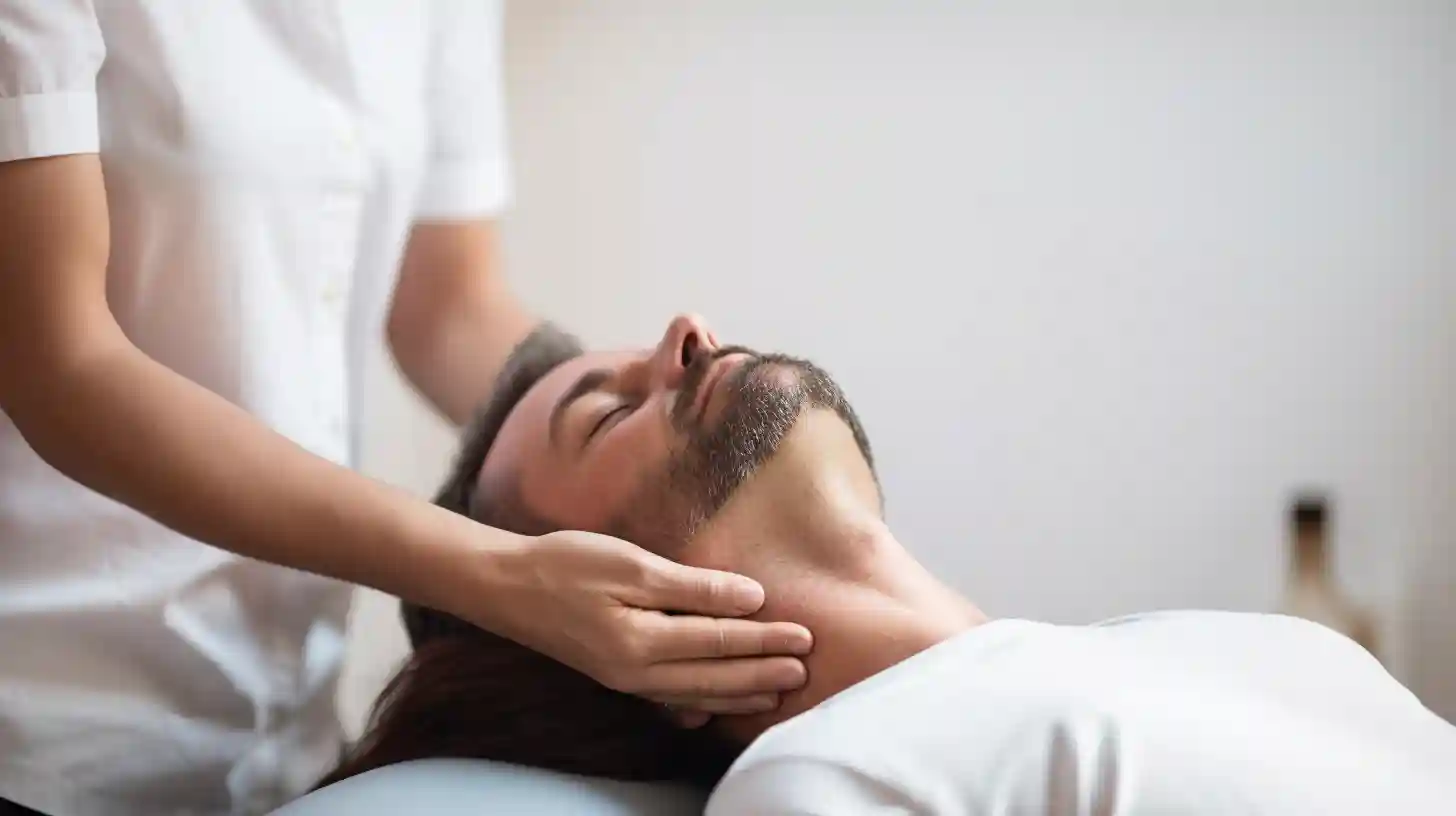
Dr Brian Sin performing a cervical adjustment

Neck Stretches: A Comprehensive Guide to Alleviating Tension and Enhancing Mobility

In today’s fast-paced world, neck tension has become one of the most common complaints for people going to chiropractic visits. Whether it’s due to long hours in front of electronic devices such as smartphones and computers, poor posture, or the stresses of daily life, the need for effective neck stretches has never been more pressing. This article aims to shed light on the importance of neck stretches, offering a detailed guide on how to perform them safely and effectively.

Understanding Neck Tension

Causes of Neck Tension

A variety of factors can cause neck tension or neck pain. Prolonged sitting, especially with poor posture, can constantly strain the muscle groups of the neck and shoulders. neck and shoulder muscles try to support and pull the anterior forehead carriage back to the body, so they are tight all the time. Stress also plays a significant role that leads to tightened muscles. Understanding these causes is a vital step before addressing neck discomfort.

Signs of Neck Tension

Common signs include stiffness, pain when moving the head, and even headaches. Recognizing these early signs can help prevent to form chronic neck and shoulder issues.

Pre-stretching Guidelines

Safety Tips

Before performing the below neck stretches, safety comes as a priority. Avoid jerky movements, and forceful stretch within comfortable limits to prevent further injury.

When to Stretch

Incorporating stretches into your daily routine can significantly benefit neck health. Stiffness after waking up can be relieved from morning stretches, while evening stretches can alleviate the day’s tension to have a better quality of sleep.

Comprehensive Guide to Neck Stretches

Basic Neck Stretches

  • Side Neck Stretch: Gently tilt your head to one side, bringing your ear towards the shoulder until a mild stretch is felt. Repeat on the other side.
  • Back Neck Stretch: Tilt your head back carefully and look up, stretching the front part of your neck.
  • Forward Neck Stretch: Tuck your chin down towards your chest, feeling a stretch along the back of your neck.

Advanced Neck Stretches

  • Shoulder Blade Squeeze: While sitting or standing, draw your shoulder blades together and downwards. This stretch benefits the neck indirectly by improving posture.
  • Neck Retraction: Pull your head back, keeping your chin down, to stretch the back of your neck. This is great for counteracting the “forward head posture” and strengthening the deep neck flexors.

Incorporating Stretches into Your Routine

Daily Stretching Routine

Making neck stretches a part of your daily routine can drastically improve flexibility and reduce tension. Consistency is key, so all selected neck stretches can be performed anytime and anywhere without the need for lying down and utilizing tools like massage balls.

Stretching at Work

For those having sedentary desk work, integrate short stretching sessions of around 5 minutes throughout the day to keep neck muscles relaxed and flexible.

Addressing Common Concerns

Dealing with Soreness

Mild soreness is pretty common when starting a new stretching routine. However, if pain persists, consider adjusting your technique or consulting a professional chiropractor for treatments and correct techniques.

When to See a Professional

Persistent or severe neck pain should be evaluated by a healthcare provider to rule out underlying conditions.

Conclusion

Neck stretches, when performed correctly and consistently, can be a powerful tool in combating neck tension and enhancing overall mobility. By incorporating the stretches outlined in this guide into your daily routine, you can take a proactive step towards maintaining neck health and wellbeing.

FAQs

  1. How often should I do neck stretches? Daily stretching is ideal for maintaining flexibility and preventing tension.
  2. Can neck stretches cure neck pain? While stretches can alleviate tension, they’re not a cure-all. Persistent pain should be evaluated by a professional.
  3. Are neck stretches safe for everyone? Most people can safely perform neck stretches with proper technique. However, those with specific health conditions should consult a healthcare provider first.
  4. How long should I hold each stretch? Holding each stretch for 15-30 seconds is generally recommended.
  5. Can stretching worsen neck pain? If stretches are performed incorrectly or too aggressively, they can exacerbate pain. It’s important to listen to your body and adjust as needed.