
Simple TMJ Exercises to Ease Jaw Pain
You are not the only one who has jaw pain or feels uncomfortable.
- TMJ disorders happen to more than 10 million people in America.
- Experts estimate that 5-12% f adults have a TMJ disorder at any given time.
- Women get TMJ problems about two times more often than men.
A simple TMJ exercise can help many people feel better at home. If your symptoms do not get better, or if you have severe pain, you should see a dentist or chiropractor first. Getting professional advice before starting exercises can prevent further injury.
Key Takeaways
- TMJ exercises can help lower jaw pain and help you move better. Doing these often makes your jaw muscles stronger and more flexible.
- Do these exercises every day or at least three to five times each week for the best results. Doing them often is important to feel better.
- Stop exercising and ask a doctor if you have very bad pain, numbness, or if your problems get worse. Getting help early can stop more problems from happening.
Understanding TMJ Pain
Common Symptoms
If you have TMJ pain, you might see some signs. These signs can make your day harder. Simple things may feel tough to do.
Some common signs are:
- Your jaw muscles hurt
- Your jaw feels stiff or does not move well
- You hear clicking, popping, or grating when you open or close your mouth
- You get headaches that stay for a long time
- Your neck and shoulders hurt
- Your ears hurt, feel full, or ring
- Your bite feels strange
- You feel dizzy or have trouble seeing
If you have these signs a lot, you might have a TMJ disorder.
Causes of TMJ Issues
Many things can cause TMJ problems. You might get symptoms because of:
- Grinding or clenching your teeth
- Your jaw is not lined up right
- Arthritis in your jaw joint
- Your jaw gets hurt
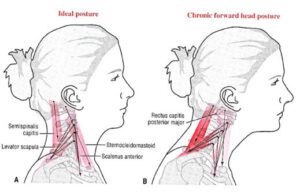
- Bad posture
- Stress
- Dental work
- Side effects from medicine
- Autoimmune diseases
You could have one or more of these causes. Sometimes, it is hard to know the real reason.
How TMJ Exercises Help
TMJ exercise can help you with pain and jaw movement. These exercises stretch and make your jaw muscles stronger. They help your jaw move better and feel less stiff.
You might feel less tight and stand straighter after doing them. Some exercises, like chin tucks and Goldfish exercises, help your jaw move more. Others, like relaxed jaw posture, help your muscles rest and lower stress.
Doing these exercises often can make your jaw feel stronger and better.
TMJ Exercise Guide

Goldfish TMJ Exercise
The Goldfish TMJ exercise helps your jaw move smoothly and reduces pain. You can do two versions: partial opening and full opening.
- Place one finger on your chin and another finger just in front of your ear, where your jaw joint is.
- For the partial opening, let your jaw drop halfway down, then close it. Try to keep the movement smooth and even.
- For the full opening, keep your fingers in the same spots. Let your jaw drop as far as it can go without pain, then close it.
- Do one set of six repetitions for each version. You can repeat this up to six times a day.
- Move your jaw slowly and never force it.
The Goldfish TMJ exercise improves jaw control and helps guide your joint in a healthy way.
Resisted Opening and Closing
This TMJ exercise makes your jaw muscles stronger and helps with pain relief.
- Sit up straight with your head over your shoulders.
- Place your palm or two fingers under your chin.
- Keep your teeth slightly apart and relax your lips.
- Open your mouth slowly while your hand gives gentle resistance upward.
- Only move as far as you can without pain.
- Hold for a moment, then close your mouth slowly.
You can do 8 to 12 repetitions for 1 or 2 sets. Increase resistance only if you do not feel pain. Research shows that this TMJ exercise can reduce pain by up to 50% over eight weeks.
Chin Tucks
Chin tucks help your neck and jaw muscles work better together. They can lower TMJ pain and improve posture.
- Sit or stand tall and look straight ahead.
- Relax your shoulders.
- Pull your chin straight back to make a “double chin.” Do not tuck your chin down to your chest.
- Hold for 3 to 5 seconds. You should feel a gentle stretch at the back of your neck.
- Release and repeat 10 times.
| Study Description | Findings | Effect Size |
|---|---|---|
| Cervical stabilization training in TMJ disorder | Improved TMJ pain and muscle performance | Large |
| Cervical exercises vs. standard treatment | All groups improved TMJ pain | N/A |
Jaw Massage
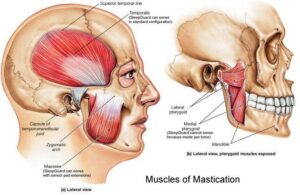
Jaw massage can relax tight muscles and ease discomfort. You can focus on the masseter and temporalis muscles.
- Wash your hands and apply a warm compress to your jaw for 5 minutes.
- Place your fingertips on your cheeks and make small circles for 30 to 60 seconds.
- Move your fingers to your temples and make circles for another 30 to 60 seconds.
- Gently press over the TMJ joint while you open and close your mouth.
- Use firm but comfortable pressure. If you find a sore spot, hold for about 10 seconds, then move to another area.
Tip: Regular jaw massage can help you manage TMJ symptoms at home.
Jaw Stretches
Jaw stretches improve flexibility and help your jaw move better. Always warm up before stretching.
- Sit upright and place your tongue on the roof of your mouth.
- Gently open and close your mouth.
- Slide your jaw to the right and hold for a few seconds, then repeat on the left.
- Tuck your chin toward your chest while sitting upright.
Remember to move slowly and stop if you feel pain. Add these stretches to your daily routine for the best results.
Hinge Movements
Hinge movements train your jaw to open and close in a straight line.
- Press the tip of your tongue to the roof of your mouth and relax your jaw.
- Open and close your mouth slowly, keeping your tongue in place. Try to make the movement even on both sides.
- Do six repetitions, holding each for six seconds.
- For more challenge, place your fist under your chin and gently press while trying to open your jaw a little.
You can also try resisted side-to-side movements by pressing your jaw against your hand on each side.
Relaxed Jaw Posture
Keeping a relaxed jaw posture during the day can prevent TMJ pain.
- Rest your tongue on the roof of your mouth, just behind your front teeth.
- Keep your teeth slightly apart and your lips closed.
- Try to unclench your jaw when you relax.
- Practice deep belly breathing to help your jaw muscles stay loose.
Note: Good oral posture can stop you from clenching your jaw without thinking.
Side-to-Side and Forward Movements
These TMJ exercises help your jaw glide smoothly and improve movement.
| Exercise Type | Goal | Instructions | Repetitions |
|---|---|---|---|
| Side-to-Side Jaw Movement | Restore smooth glide side to side | Place a thin object between your front teeth and move your jaw side to side | 2 sets of 10 per day |
| Forward Jaw Movement | Improve forward jaw motion | Move your bottom jaw forward until your lower teeth pass your upper teeth | 1 set of 10 once daily |
Start with gentle movements and increase only if you feel comfortable. These TMJ exercises can help you regain control and reduce pain.
Safe Practice Tips
Exercise Frequency
You should do TMJ exercise often to get better. Experts say you should do them every day or at least three to five times a week. Doing them often is more important than doing them hard. Physical therapy may start with one or two times a week and go up as your jaw gets stronger.
Tip: Make a plan and follow it. Small steps can make a big difference.
What to Avoid
You need to keep your jaw safe when you exercise.
- Do not do hard workouts with heavy lifting or quick moves.
- Use slow and gentle movements.
- Do not push your jaw too much. Too much force can make TMJ symptoms worse.
- Stay away from fast or rough movements.
- Keep your tongue on the roof of your mouth to help your jaw stay in line.
- Change your routine if you feel pain or discomfort.
| Mistake | Explanation |
|---|---|
| Using maximal force | Can cause more pain and even hurt your jaw. |
| Fast jerky movements | Can strain your jaw and make symptoms worse. |
| Losing tongue-on-roof posture | This is needed for your jaw to work right. |
Note: Bad posture and doing the same jaw moves too much can slow you down.
When to Rest
You need to pay attention to your body.
- Stop TMJ exercise if you get lockjaw, bad swelling, or new weakness.
- Rest after a jaw injury or dental work.
- Ask a doctor if you see sudden changes in your jaw.
Always rest if pain gets worse. Never keep going if you hurt.
When to Seek Help
Warning Signs
It is important to know when TMJ pain needs more help. Some signs mean you should see a doctor soon.
If your face feels numb or tingly, it could be a nerve problem. You should get checked by a professional. If your face feels weak or your vision or hearing changes suddenly, get help right away.
Look for these warning signs:
- Pain that feels sharp, electric, or stabbing
- Clicking or popping that gets louder or hurts more
- Jaw gets stuck open or closed—do not force it
- Pain spreads to your ear, neck, or causes new headaches or dizziness
If your teeth do not fit together anymore, or you cannot open or close your mouth all the way, your jaw joint may need more than home care.
Kings Park Chiropractic Support
You do not have to deal with TMJ pain by yourself. Kings Park Chiropractic has different ways to help you feel better:
| Service Offered | Description |
|---|---|
| Chiropractic Assessment & Exam | A careful check to learn about your problem |
| Custom Chiropractic Treatment | Plans made just for you |
| 30-Minute Deep Tissue Massage | Massage to help with pain and tight muscles |
Many people feel better with these treatments:
- Chiropractic adjustments and neurofeedback can help TMJ pain without medicine.
- Massage therapy can make jaw muscles less tight.
- Acupuncture can lower pain and swelling.
- Laser therapy is quick (4–7 minutes) and can last a long time.
- Joan Bachert had bad pain that made daily life hard.
- After treatment, she had no pain and felt more energy. She said, “It’s just changed everything!”
- Her care used nutrition response-testing and Class IV Laser Therapy. She thought it was easy and did not hurt.
Kings Park Chiropractic can help you find the best way to treat your TMJ pain.
Doing TMJ exercises often can make your jaw hurt less. These exercises help your jaw move better and keep it healthy for a long time.
- Write down how you feel in a notebook and keep doing your exercises, even if it takes time to see changes.
- If your pain gets worse or stays the same, do not ignore it.
If these exercises are not working, talk to Kings Park Chiropractic. They can make a plan just for you.
FAQ
How long does it take for TMJ exercises to work?
You may notice less pain in a few weeks. Stay consistent. Improvement depends on your symptoms and how often you do the exercises.
Can you do TMJ exercises every day?
Yes, you can do these exercises daily. Start slow. If you feel pain, rest and ask your doctor for advice.
Should you stop TMJ exercises if your jaw hurts more?
Stop right away if your pain gets worse. Let your jaw rest. Talk to a healthcare provider before you try again.