
TMJ Pain and Chiropractic Care: Finding Relief Naturally
If you have ever experienced temporomandibular joint (TMJ) pain, you know just how debilitating it can be. TMJ pain can make simple tasks like chewing or speaking extremely uncomfortable. While there are various treatment options available, chiropractic care has emerged as a natural and effective approach to alleviate TMJ pain. In this article, we will explore what TMJ pain is, how chiropractic care can help, and the benefits of this holistic treatment approach.
Understanding TMJ Pain
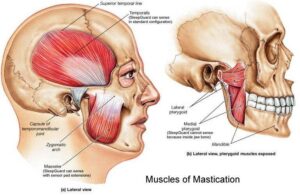
The temporomandibular joint (TMJ) connects the jawbone to the skull, enabling movements like talking, chewing, and yawning. TMJ pain refers to discomfort or pain in this joint and the surrounding muscles. It is often caused by issues such as misalignment of the joint, muscle tension, or inflammation.
Causes and Symptoms
TMJ pain can have several causes, including:
- Teeth grinding or clenching
- Jaw injuries
- Arthritis
- Stress and anxiety
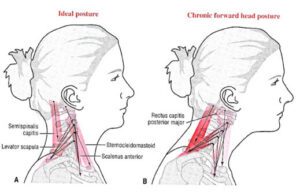
- Poor posture
Common symptoms of TMJ pain include:
- Jaw pain or soreness
- Clicking or popping sounds when opening the mouth
- Difficulty opening or closing the mouth
- Earaches or headaches
- Facial pain or tenderness
The Role of Chiropractic Care in TMJ Pain Relief
Chiropractic care focuses on the relationship between the body’s structure, particularly the spine, and its functioning. By ensuring proper alignment and function of the spine, chiropractors can help relieve pain and improve overall well-being. In the case of TMJ pain, chiropractic care aims to address the underlying structural issues that contribute to the condition.
Chiropractic Techniques for TMJ Pain
Chiropractors use various techniques to treat TMJ pain, including:
Spinal Manipulation
Spinal manipulation involves gentle adjustments to the spine, which can help correct misalignments and improve joint mobility. By aligning the spine, chiropractors can indirectly relieve tension and stress on the TMJ.
Jaw Manipulation Techniques
Chiropractors may also use jaw manipulation techniques to alleviate pain in the jaw. This involves applying gentle pressure to the jaw joint to help realign it and reduce inflammation. Jaw manipulation techniques may be used in conjunction with other chiropractic treatments for comprehensive relief.
Intraoral myofascial release
Intraoral myofascial release is a chiropractic technique used to treat jaw pain. It involves gentle pressure applied to the muscles inside the mouth to release tension and improve jaw function. This technique is often used in conjunction with other chiropractic treatments such as spinal manipulation and trigger point therapy to provide comprehensive relief from TMJ pain.
Trigger Point Therapy
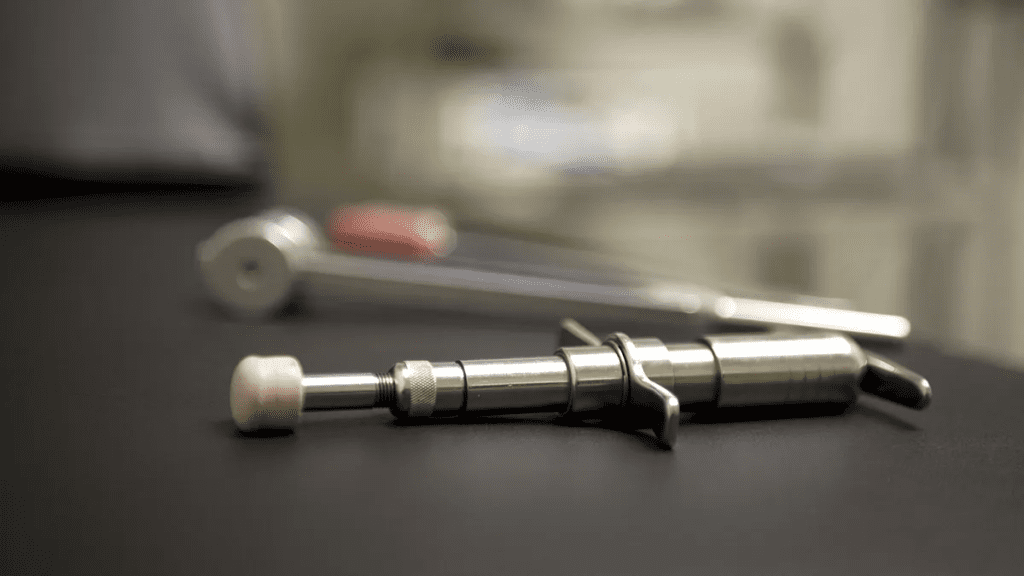
Trigger points are tight knots in the muscles that can contribute to TMJ pain. Chiropractors use manual pressure or special instruments to release these trigger points, providing relief from pain and tension.
Exercise and Rehabilitation
Chiropractors may recommend specific exercises and stretches to strengthen the muscles around the TMJ and improve overall jaw function. These exercises can be performed at home to complement in-office treatments.
Benefits of Chiropractic Care for TMJ Pain
Choosing chiropractic care for TMJ pain offers several advantages:
Non-Invasive and Drug-Free
Chiropractic care provides a non-invasive alternative to traditional medical interventions, such as pain medications or surgery. By focusing on natural methods, chiropractors aim to promote the body’s self-healing abilities.
Holistic Approach to Healing
Chiropractic care takes a holistic approach to healing, considering the interconnections between different parts of the body. It aims to address the root cause of TMJ pain rather than just treating the symptoms, leading to long-term relief.
Addressing Underlying Issues
Chiropractors not only alleviate immediate pain but also identify and address any underlying issues that contribute to TMJ pain. This comprehensive approach helps prevent future recurrences.
Personalized Treatment Plans
Chiropractic care is highly individualized. Chiropractors assess each patient’s unique condition and design customized treatment plans tailored to their specific needs. This personalized approach ensures the most effective outcomes.
What to Expect During a Chiropractic Session
During your first chiropractic session for TMJ pain, the chiropractor will perform a thorough examination, including reviewing your medical history and conducting physical tests. They will then create a treatment plan based on their findings. Subsequent sessions will involve hands-on adjustments, therapies, and exercises, depending on your specific needs.
Lifestyle Changes to Support TMJ Pain Relief
To complement chiropractic care and promote TMJ pain relief, you can make certain lifestyle changes, such as:
- Avoiding hard or chewy foods
- Practising stress management techniques
- Applying heat or cold packs to the affected area
- Maintaining good posture
- Avoiding excessive jaw movements or habits like gum chewing
How Long Does It Take to See Results?
The duration of TMJ pain relief through chiropractic care varies depending on factors such as the severity of the condition and individual response to treatment. Some patients experience significant improvement after just a few sessions, while others may require more time to achieve long-lasting results.
Frequently Asked Questions (FAQs)
Can chiropractic care cure TMJ disorder?
While chiropractic care cannot cure TMJ pain, it can provide effective relief by addressing the underlying issues contributing to the condition. With regular chiropractic sessions, patients often experience a significant reduction in pain and improved jaw function.
Is chiropractic care safe for everyone?
Chiropractic care is generally safe for most individuals. However, it is essential to consult with a qualified chiropractor who will consider your specific condition and medical history to ensure the treatment is appropriate for you.
How many chiropractic sessions are needed?
The number of chiropractic sessions required for pain relief in the jaw can vary depending on individual factors. Typically, patients may start noticing improvements within a few sessions. The chiropractor will provide a recommended treatment plan based on your condition and progress.
Are there any side effects of chiropractic care?
Chiropractic care for TMJ pain is generally well-tolerated and associated with minimal side effects. Some patients may experience mild soreness or discomfort following adjustments, but this is temporary and resolves quickly.
Can I combine chiropractic care with other treatments?
Yes, chiropractic care can be combined with other treatments for TMJ dysfunction, such as physical therapy or stress management techniques. It is important to communicate with your healthcare providers to ensure coordinated care and maximize your overall treatment outcomes.
TMJ pain can significantly impact one’s quality of life, but chiropractic care offers a natural and effective solution. By addressing the underlying structural issues and promoting overall well-being, chiropractors can provide relief from TMJ disorder. If you are looking for a non-invasive and holistic approach to finding relief from TMJ pain, consider exploring chiropractic care and its numerous benefits.