chiropractor helps weather worsening arthritis pain

How weather worsens arthritis pain

You may notice your joints ache more when the weather shifts. Many people with arthritis report that cold, damp, or humid days make their pain worse. Recent studies confirm that the weather worsens arthritis pain for some. For example, researchers found that humid, windy days with low pressure can increase pain by about 20%.

Key Takeaways

  • Changes in weather can make arthritis pain worse. Cold, wet, or humid days can make joints feel more stiff and sore.
  • If you write down your symptoms and the weather, you may see patterns. Knowing this can help you plan what you do each day.
  • Moving your body, using heat to feel better, and drinking lots of water can help with arthritis pain when the weather changes.

Does weather worsen arthritis pain

Evidence from studies

You might ask if science proves weather affects arthritis pain. Scientists have studied this for a long time. Some studies show a strong connection, but others do not. New research shows barometric pressure and humidity matter a lot. If air pressure goes down or humidity goes up, you might feel more pain and stiffness in your joints. People with osteoarthritis often say they feel worse on rainy or humid days. These results mean that weather changes can make arthritis symptoms worse for some people. Not everyone feels the same way.

Common patient experiences

Many people with arthritis notice their pain changes with the weather. You may feel your joints hurt more when it is damp outside. Some people say their pain gets worse before storms or when it gets colder. Others do not notice any change in their symptoms. Here are some things patients often report:

  • Damp and cloudy weather can make joints feel stiff.
  • Sudden weather changes may cause flare-ups.
  • Things like humidity and wind can affect pain.

If you notice weather makes your arthritis worse, you are not alone. Many people feel the same way, even though scientists are still learning why.

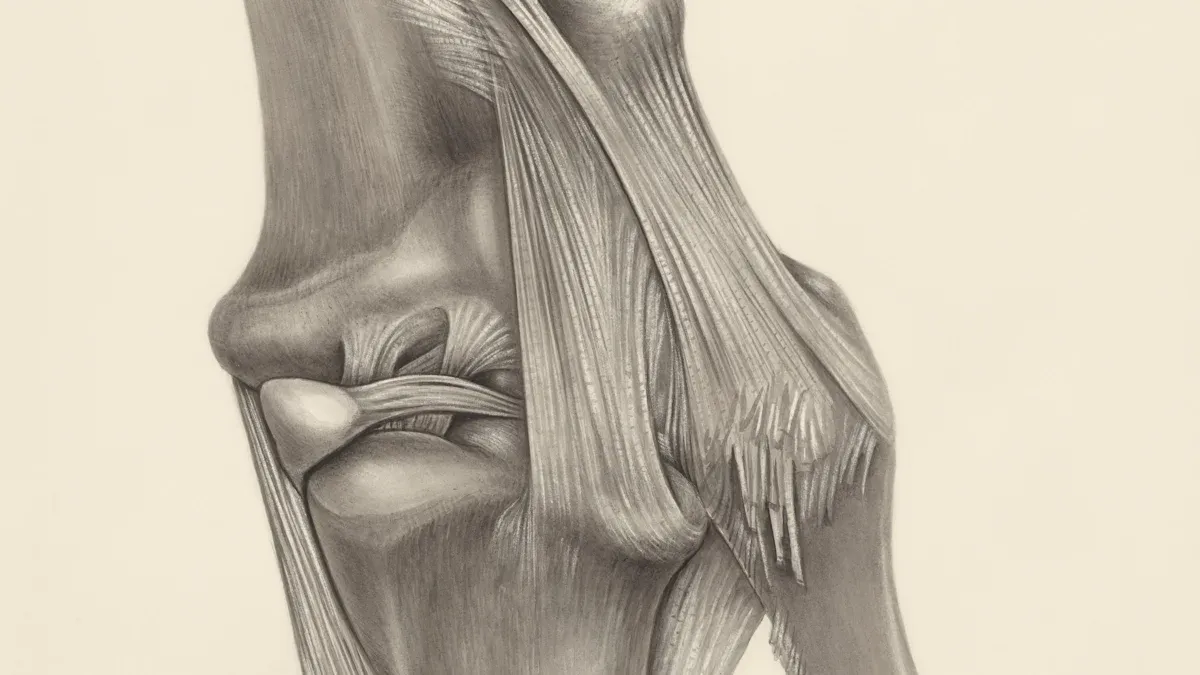
How weather worsens arthritis symptoms

How weather worsens arthritis symptoms
Image Source: pexels

Cold and joint stiffness

Your joints might feel stiffer and hurt more when it gets cold. Cold weather can make arthritis worse in a few ways:

  • Cold air makes blood vessels get smaller. This means less blood goes to your joints, which makes them stiff and sore.
  • The synovial fluid in your joints gets thicker in the cold. Thick fluid does not help your joints move smoothly, so they feel tight and hurt more.
  • When barometric pressure changes, tissues around your joints can get bigger. This puts more pressure on your joints and causes more pain.

Cold days can make arthritis pain worse and make it harder to move. You might also fall more, get sick with colds or the flu, have trouble breathing, feel tired, or feel sad during winter. These things show how weather can make arthritis worse for many people.

Tip: Keep your joints warm by wearing gloves, socks, or using heating pads. Warmth can help your joints feel less stiff and make moving easier.

Humidity and inflammation

Humidity can make your arthritis worse, especially if you already feel swollen or sore. High humidity affects your body in different ways. The table below shows how humidity can change arthritis:

Evidence Description Impact on Arthritis
Higher humidity can make some people feel heavier or more swollen, especially in the feet, ankles, knees, and hands. Fluid retention can amplify discomfort in arthritic conditions.
High humidity may increase joint swelling. This can lead to increased pain and stiffness in individuals with arthritis.
High humidity may reduce the body’s ability to cool itself. This can contribute to fatigue and discomfort, exacerbating arthritis symptoms.

You might notice your joints feel more swollen and hurt more on humid days. Swelling and extra fluid can make it hard to move. Humidity also makes it hard for your body to cool down, which can make you tired and uncomfortable. These changes help explain why the weather can make arthritis worse for many people.

Barometric pressure changes

Barometric pressure is the weight of air pushing down on the ground. When the air pressure drops, soft tissues around your joints can get bigger. This makes your joints feel tight and sore.

  • Barometric pressure pushes down on your body, just like it does on everything else.
  • When the pressure goes down, tissues around your joints can get bigger. Healthy joints may not feel this, but arthritic joints can hurt a lot because their nerves are sensitive.
  • In arthritic joints, cartilage is thin and nerves are easily bothered. Even small changes in pressure can cause a lot of pain.
  • Many people say their pain gets worse before storms because of these changes in their bodies.

For example, one patient had a drop in barometric pressure by 9 hPa. Her stress score went up, and she was more likely to have a flare-up. This shows how the weather can make arthritis symptoms worse when pressure changes.

Note: You can watch the weather and write down your symptoms to see if barometric pressure changes your pain. This can help you plan your day and handle flare-ups.

Biological mechanisms

Joint fluid and friction

Synovial fluid helps your joints move without rubbing. It works like oil in a car engine. When you sweat a lot in summer, your body loses water. Losing water makes synovial fluid thinner. Thin fluid does not protect your joints well. This makes your joints rub together more. You might feel more pain and stiffness. People with osteoarthritis notice this problem often. When weather gets worse, your joints can hurt more because they do not have enough lubrication.

  • Synovial fluid is mostly made of water.
  • If you get dehydrated, the fluid gets thinner.
  • More rubbing causes extra pain.

Tip: Drink water every day. Water helps your joints stay smooth and less painful.

Muscle and tendon response

Muscles and tendons change when the weather changes. Cold air makes muscles get tight and stiff. Tight muscles pull on tendons and joints. This can make your pain worse. Your joints may not bend as much. In rheumatoid arthritis, swelling makes muscles work harder. Working harder makes you feel more sore and tired.

  • Cold weather makes muscles tighter.
  • Humidity slows down sweat drying, so you feel heavy.
  • Stiff muscles make it hard to move joints.

Nerve sensitivity

Nerves in your joints get more sensitive when weather changes. High humidity can make tissues swell a little. Swelling pushes on nerves and makes pain worse. Damp weather makes joint fluid thicker, which causes stiffness. Cold, rainy days make blood vessels smaller. Less blood flow makes nerves even more sensitive. You might feel sharp pain or tingling in your hands, knees, or feet.

  • Swelling bothers nerves.
  • Thick joint fluid makes joints stiff.
  • Less blood flow makes nerves hurt more.

Note: Write down your symptoms and the weather. This can help you see what makes your pain worse. Knowing this can help you feel better.

Why some people feel more pain

Arthritis types

Some people feel more pain from arthritis when the weather changes. Different types of arthritis react in their own ways. Osteoarthritis and rheumatoid arthritis often get worse with changes in temperature, humidity, or air pressure. Some types of arthritis flare up more easily than others. Here are some reasons why:

  • Weather changes can cause pain in joints with osteoarthritis or rheumatoid arthritis.
  • Using your joints too much can make pain worse during bad weather.
  • Not moving much can make joints stiff, especially when it is cold or damp.
  • Stress and gaining weight can put extra strain on your joints.

If you have one of these arthritis types, you might feel more pain when the weather makes arthritis symptoms worse.

Individual factors

Your pain may feel different from someone else’s pain. Your age, how much you move, and if you have replaced joints all matter. Older people often feel more pain because their joints have less padding. If you stay active, your joints move better and hurt less. Not moving much can make your symptoms worse, especially when the weather changes.

How much you move is important. If you keep moving, your joints stay flexible. If you stop moving for a while, your joints may feel stiff when you start again. Warm weather helps muscles relax and lowers stress on your joints. When the weather stays the same, you can move more, which is good for your joints.

Tip: Try easy exercises like walking or stretching. Moving your joints every day can help lower pain and stiffness.

Factor Impact on Arthritis Pain
Age Older joints feel more pain
Activity Level More movement means less pain
Replaced Joints Artificial joints may feel less pain

You can write down your symptoms and see which things affect your pain the most. This helps you handle your arthritis better.

Managing arthritis pain in changing weather
Managing arthritis pain in changing weather
Image Source: pexels

Chiropractic care

Chiropractic care can help with arthritis pain when the weather changes. Many people say regular chiropractic visits keep joints lined up and moving well. This can help lower pain from changes in air pressure, temperature, or humidity. Chiropractors often tell you to get care before pain gets bad.

  • Chiropractic visits help keep bones and muscles in place.
  • Moving better can help lower pain from weather changes.
  • Going often can help stop pain before it gets worse.

Tip: Ask your chiropractor for a plan that works for you. You might feel less pain when the weather makes arthritis worse.

Medical treatments

Doctors have many ways to help with arthritis pain. You can take medicine like acetaminophen or ibuprofen for pain and swelling. Sometimes, your doctor may give you stronger medicine or shots. Physical therapy helps you get stronger and move better. Always talk to your doctor before trying new treatments.

Lifestyle adjustments

Small changes in your day can help with arthritis pain. Keep your joints warm with gloves or heating pads. Drink water to keep joint fluid healthy. Try easy exercises like walking or stretching to stay flexible. Eat good foods and get enough sleep. These habits make you stronger and help you deal with pain.

Tracking symptoms and weather

You can write down your pain and the weather to find patterns. Many people use notebooks or phone apps to track pain, weather, and daily habits. This helps you see when pain gets worse and plan your day.

Signal Type Examples of Signals Purpose of Tracking
Biological Resting heart rate, sleep quality, jaw function, high-pain days, flare clusters Watch for changes that may mean a flare-up
Environmental Drops in air pressure, big temperature changes, humidity changes See what weather can make pain worse
Behavioral Taking medicine, pain changes, stress patterns Track habits and stress that affect pain

Apps make tracking fast and simple. You can quickly note pain and weather changes. This helps you tell your doctor and change your routine.

Note: Tracking helps you learn what makes pain worse. You can use this to handle arthritis better.

You now know that weather worsens arthritis pain for many people. You can help your joints by staying active, using warmth, and drinking water. Try these self-care tips:

  • Move every day, even indoors.
  • Use heat or compression for relief.
  • Eat anti-inflammatory foods.
Strategy Description
Hydration Drink water to keep joints moving smoothly.
Sleep Environment Sleep in a cool, dark room for better rest.

Keep track of your symptoms and talk to your doctor if pain increases.

Struggling with arthritis pain? Get lasting relief at Kings Park Chiropractic. Call (02) 9837 5161 today to book your appointment and start managing your pain effectively.

FAQ

Can weather changes cause arthritis flare-ups?

You may notice more pain and stiffness when the weather changes. Cold, humidity, and low air pressure can trigger flare-ups in many people.

How can you track arthritis pain and the weather?

You can use a notebook or phone app. Write down your pain levels and weather conditions each day. This helps you spot patterns and plan ahead.

What helps relieve arthritis pain during bad weather?

You can keep your joints warm, stay active, and drink water. Try gentle exercises and use heating pads. Talk to your doctor for more advice.


Osteoarthritis with chiropractor near me

How Chiropractic Care Offers a Drug-Free Approach to Osteoarthritis Pain

You may ask if chiropractic care can help with osteoarthritis pain without using medicine. Many people now look for ways that do not use drugs. This is because common medicines for osteoarthritis can cause side effects like:

  • confusion
  • stomach pain or bleeding
  • problems with liver, kidney, or bone marrow
  • higher chance of heart problems with NSAIDs
  • addiction or withdrawal with opiates
  • more broken bones in older adults

Chiropractic care works to help joints move better and reduce pain in a natural way. With chiropractic osteoarthritis care, you can find relief without needing medicine.

Key Takeaways

  • Chiropractic care is a natural way to help with osteoarthritis pain. It does not use drugs, so there are fewer risks from medicine side effects. Regular chiropractic adjustments help your joints move better. They also make you feel less stiff. This helps you move more easily and with less pain. Chiropractic techniques like soft tissue therapy and joint mobilisation can lower swelling. They also help your body heal in the sore areas. This method not only eases pain but also makes your life better. You can do daily things with less trouble. Seeing a chiropractor can give you a treatment plan just for you. This plan will help you manage osteoarthritis in the best way for you.

Chiropractic Osteoarthritis Relief

Chiropractic Osteoarthritis Relief
Image Source: unsplash

Drug-Free Pain Management

You might want help for osteoarthritis without using medicine. Chiropractic osteoarthritis care gives a gentle, drug-free way to ease pain. This care looks at your joints and muscles. It helps your body heal on its own. You do not have to worry about side effects from drugs. You can get pain relief without taking medicine.

Chiropractic osteoarthritis care uses different ways to help you feel better:

  • Lower swelling in your joints
  • Help your joints move more easily
  • Take pressure off nerves and tissues
  • Help your body heal itself

Many studies show chiropractic osteoarthritis care helps with pain. For example:

  • A big review found chiropractic care, like spinal manipulative therapy, works as well as normal physical therapy for some joint problems, including osteoarthritis.
  • Guidelines say to use different therapies as part of full chiropractic care for long-term pain.
  • Research in the Journal of Bodywork and Movement Therapies says myofascial release can lower pain and help people move better if they have joint problems.

Chiropractic osteoarthritis care does more than just help pain. It can also lower swelling and help joints work better. Techniques like joint mobilisation and chiropractic adjustments focus on joint pain and swelling. Regular chiropractic osteoarthritis care is safe and helps people with osteoarthritis and other types of arthritis.

You might hear some wrong ideas about chiropractic osteoarthritis care. Some people think joint popping causes arthritis, but research shows this is not true. The sound you hear during an adjustment is safe and does not mean harm. Not everyone feels better from joint popping, and it feels different for each person.

Why Choose Chiropractic Care

You may wonder why chiropractic osteoarthritis care is a good choice. This care gives lasting relief and helps you avoid medicine risks. Chiropractic osteoarthritis care works by fixing alignment and helping joints move better. You get long-lasting relief because it treats the cause of pain, not just the signs.

Chiropractic osteoarthritis care has many benefits over drug treatments. Chiropractic care gives a long-term answer for osteoarthritis pain. It lowers swelling and helps joints move better. Drug treatments often only help for a short time and can cause side effects. Chiropractic osteoarthritis care helps you handle long-term pain and supports your health.

Here is how different chiropractic osteoarthritis treatments work:

Treatment Type Mechanism of Action Benefits
Chiropractic Adjustments Realign sore areas, lower nerve pressure, help natural healing Less pain, better joint movement
Shockwave Therapy Uses sound waves to boost blood flow, help tissue repair, lower swelling Less long-term pain and stiff joints
Class IV Laser Therapy Sends light deep into tissues to speed healing and lower swelling Less arthritis pain, better recovery

Chiropractic osteoarthritis care also saves money. It often costs less than normal medical care for pain. You can spend less on health care because you need fewer drugs. Chronic Disease Management (CDM) plan from Medicare and many insurance plans pay for chiropractic osteoarthritis care.

You can pick chiropractic osteoarthritis care for long-lasting relief and better joint health. This drug-free way helps you stay active and enjoy life with less pain.

Understanding Osteoarthritis

Understanding Osteoarthritis
Image Source: unsplash

What is Osteoarthritis?

Doctors say osteoarthritis is the most common arthritis. It happens when cartilage in joints wears away over time. Cartilage is a soft cushion between bones. When it gets thin, bones rub together. This makes pain and swelling. Osteoarthritis can happen in any joint. It often affects knees, hips, hands, and spine.

Osteoarthritis is a problem for many people worldwide. You can see how many people have it in this table:

Description Value
Global prevalence of KOA (2019) 364.6 million
Age-standardised prevalence 4,376.0 per 100,000
Increase from 1990 to 2019 7.5%
Total individuals affected globally Over 650 million
Percentage of osteoarthritis burden from KOA Nearly 80%

You might wonder why some people get osteoarthritis. Some main risks are:

  • Obesity
  • Ageing
  • Trauma
  • Metabolic disorders
  • Sleep patterns

If you have any of these risks, you may get osteoarthritis more easily.

Common Symptoms

People with osteoarthritis can have different symptoms. These symptoms are not the same for everyone. Some people feel pain in their joints. Others notice stiffness or swelling. You might find it hard to move your joint or do daily things.

Here are some symptoms you might have:

  • Joint pain that does not go away, even after surgery like knee replacement
  • Stiffness, especially in the morning or after you rest
  • Swelling around the joint
  • Weaker grip and trouble using your hands
  • Pain that gets worse when you move

Tip: If you see these symptoms, talk to a healthcare professional. Getting help early can make it easier to manage your symptoms and keep your joints healthy.

How Chiropractic Care Works

Spinal and Joint Adjustments

If you have osteoarthritis, your joints might feel stiff or sore. Spinal and joint adjustments can help you feel better. These adjustments use gentle moves to line up your joints. When your joints move well, you have less pain and stiffness. This helps your body work the right way.

Researchers have checked how these adjustments help people with osteoarthritis. The table below shows a study about a special traction-bed device for the lower back:

Study Type Participants Treatment Method Findings
Randomised Controlled Trial 35 patients Traction-bed-device (Movento) Analysed effects on osteoarthritis/spondylosis of the lumbar spine

These results show that special adjustments can help your joints and make moving easier.

Soft Tissue Therapy

Soft tissue therapy works on the muscles and tissues near your joints. This therapy can help by making tight muscles relax and letting your joints move better. You may feel less pain and more comfort in your daily life.

Some common types of soft tissue therapy are:

  • Manual therapy: Hands-on ways to lower pain and help joints move.
  • Cupping therapy: Brings more blood to the area, eases tight muscles, lowers swelling, and helps healing.

You might also get help from:

  1. Joint mobilisation: Uses gentle pushes to help joints work better and feel less stiff.
  2. Soft tissue mobilisation: Loosens tight muscles near sore joints, helps blood flow, and supports healing.

Manual therapy, like joint and soft tissue mobilisation, is important for osteoarthritis care. These methods loosen stiff joints and help you move better, so you feel less pain and stiffness.

Improving Circulation and Mobility

Chiropractic care tries to fix how your bones and muscles line up and work. When your joints and muscles work together, you can move more easily. Chiropractic methods, like manual therapy and soft tissue mobilisation, help blood and lymph fluid move better. This can lower swelling, especially for people with knee osteoarthritis. You may also do special exercises and stretches as part of your care. These activities help you move your joints better and keep steady, which is important for handling osteoarthritis symptoms.

Note: Going to the chiropractor often can help you stay active and enjoy life with less pain.

Benefits of Chiropractic Care

Increased Range of Motion

Osteoarthritis can make moving your joints hard. Chiropractic care helps you move better and feel less stiff. When you get treatment, your joints can move more easily. Upper cervical chiropractic care helps your joints work well. Good spinal alignment helps your nervous system. This can let you move your joints more. You may find walking or reaching for things easier.

  • Chiropractic treatment helps joints move and work better.
  • Spinal alignment helps your nervous system, so you move more.
  • Less swelling means you move with less pain.
  • You can do daily tasks more easily.

You may feel braver and more able when you move without pain.

Reduced Stiffness and Swelling

Stiffness and swelling can make osteoarthritis worse. Chiropractic techniques like joint mobilisation help lower these problems. When your chiropractor adjusts your joints, you may feel less stiff. These adjustments fix joint problems and lower swelling. Spinal manipulation also helps lower swelling near sore joints. As your joints line up better, your body has less swelling. This means less pain and better movement.

  • Chiropractic care helps joint pain and lowers swelling.
  • Joint mobilisation helps you move and feel less stiff.
  • Adjustments fix joint problems and lower swelling.
  • Spinal manipulation lowers swelling near joints.

Going often can help you feel better and have less swelling.

Enhanced Quality of Life

Living with pain can make you feel sad and tired. Regular chiropractic care keeps your joints healthy and stops damage. You may notice you move better and feel less stiff. This help is important as you get older and have osteoarthritis. When you hurt less and move more, you can do fun things and see family. Less pain and swelling can make you feel happier and have more energy.

Chiropractic care lets you live with less pain and more freedom.

What to Expect from Chiropractic Osteoarthritis Treatment

Initial Assessment

When you see a chiropractor for osteoarthritis, they start by checking you carefully. The chiropractor asks about your pain and past injuries. They want to know how your pain changes your life. You talk about your daily habits. The chiropractor looks at your posture and how your joints move. Sometimes, you might need an X-ray to see your bones better. After these checks, the chiropractor tells you what they found. You talk together about a plan for your care.

Assessment Type Description
Medical History Review Talks about your symptoms, old injuries, and things you do every day.
Physical Examination Checks posture, how you move, and nerves to find problems.
Diagnostic Tests (e.g., X-rays) Shows your bones and helps find issues.
Report of Findings Tells you the results and talks about your care plan.
Chiropractic Adjustment May use gentle moves to help your joints, based on what the checks show.

Tip: Write down your symptoms and questions before you go. This helps you get the most from your first visit.

Treatment Techniques

You get care that fits your needs. The chiropractor uses gentle moves to help your joints work better. Soft tissue work can relax tight muscles and lower swelling. Sometimes, you might try traction, which gently stretches your joints. Simple exercises help you move safely. You also learn about healthy habits, like eating well and staying active, to protect your joints.

Treatment Technique Description
Chiropractic Adjustments Gentle moves help line up joints and lower stress on sore spots.
Joint & Soft Tissue Manipulation Lowers swelling and helps joints move without strong force.
Spinal or Joint Traction Gently stretches joints to ease pressure and help you move.
Exercise Therapy Guided moves keep joints working and help you stay safe.
Lifestyle Coaching Gives tips on food and habits to lower swelling and help your joints.

Note: Your treatment plan may change as you get better. The chiropractor checks how you are doing at each visit.

Safety and Effectiveness

Chiropractic care is a safe way to help with osteoarthritis. Many people feel less pain and move better after starting this care. You may notice you need less medicine for pain. Studies show people who use this care often move more and do more each day. You may sleep better and feel happier, which can mean you need fewer pain relief drugs.

Benefit Description
Reduced pain intensity You may feel less pain from osteoarthritis.
Increased range of motion You can move more easily, so you may need less medicine.
Improved function in daily activities You may do more without using pain relief.
Better sleep and quality of life You may rest better and feel happier.

If you worry about safety, ask your chiropractor. They want you to feel safe and know what is happening during your treatment.

You can pick chiropractic care for osteoarthritis if you do not want to use medicine. This care helps with long-term pain and lets you move better. New studies show that chiropractic adjustments help your joints move well. Soft tissue techniques help your muscles feel less tight. You also fix the way you move, so your joints work better. Chiropractic care does not use surgery or medicine. It is important to talk to a trained chiropractor to find the best care for you. You might want to add chiropractic care to your pain plan.

  • Chiropractic care helps joints move better.
  • Soft tissue techniques make muscles less tight.
  • You move better and do not need drugs or surgery.

FAQ

Can chiropractic care help you manage arthritis without medication?

Yes, chiropractic care gives a way to manage arthritis without drugs. It helps your joints move better and lowers pain. This care helps your body heal itself. You do not get side effects from medicine.

How often should you have regular chiropractic checkups for osteoarthritis?

You should see your chiropractor often. Regular visits help you see how you are doing. Your chiropractor changes your treatment plan if needed. They will tell you how often to come in. This helps you handle pain over time.

What makes chiropractic care a patient-centred approach?

Chiropractic care looks at what you need. Your chiropractor listens to you and makes a plan just for you. This way helps you reach your health goals. It also helps you manage arthritis better.

Will chiropractic care improve your joint mobility?

Chiropractic adjustments and soft tissue therapy help joints move well. You may feel less stiff and more comfortable. Moving better lets you stay active and enjoy life.

Is chiropractic care safe for long-term chronic pain management?

Chiropractic care is safe for most people. You can use it for long-term pain. Your chiropractor checks how you are doing and changes your plan if needed. Always talk to your chiropractor if you have worries.